Which Ollie Recipe Does Your Dog Like the Best?
- Houndsy
Table of Contents
- Introduction
- The Five Main Recipes: A Flavor Profile Breakdown
- How to Tell Which One Your Dog Actually Prefers
- The "Lick-the-Bowl" Taste Test
- Why Consistency and Routine Matter
- Factors That Influence Your Dog's Palate
- Transitioning Between Recipes
- Storing and Serving for Maximum Appeal
- Common Mistakes When Finding a Favorite Recipe
- The Ritual of Feeding
- Consistency in Your Home
- FAQ
Introduction
You stand in the kitchen, bowl in hand, as your dog performs their familiar "dinner dance." Their paws click against the floor, and their eyes are locked on the meal you’re about to serve. You want that enthusiasm to last until the very last bite, but choosing the right flavor can sometimes feel like a guessing game.
At Houndsy, we believe that the feeding ritual should be the highlight of your dog’s day and a moment of ease for you. Whether you are transitioning to fresh food or looking to spice up a hybrid diet, finding the perfect flavor profile is key to a happy, healthy pet. This guide will walk you through the various recipes available and help you identify which one will make your dog’s tail wag the hardest.
Finding the right recipe involves a mix of understanding nutritional benefits, observing your dog's natural preferences, and maintaining a consistent routine. We will explore the ingredients that drive palatability and how to conduct a successful taste test at home.
The Five Main Recipes: A Flavor Profile Breakdown
Every dog has a unique palate, often influenced by their breed's history, their age, and even their previous experiences with food. To figure out which recipe your dog will like best, it helps to understand the "hero" ingredients and the secondary flavors in each option.
The Hearty Beef Recipe
Beef is often a top contender for the "best-liked" title. It has a strong, savory aroma that appeals to a dog’s ancestral instincts. This recipe is typically high in protein and iron, making it an excellent choice for high-energy dogs or younger pups who are still growing.
The beef recipe usually includes a mix of sweet potatoes, peas, and rosemary. The sweetness of the potatoes balances the richness of the meat, creating a complex flavor profile that most dogs find hard to resist. If your dog usually gravitates toward "red meat" treats or chews, this is likely their gold standard.
The Classic Chicken Recipe
Chicken is the go-to for dogs with sensitive stomachs or those who prefer a leaner meal. It is a highly digestible protein source that provides a lighter flavor profile. Many owners find that their dogs enjoy chicken because it is familiar and consistent.
In this recipe, you will often find ingredients like spinach, apples, and carrots. These add a slight crunch and a burst of natural sweetness. It is an excellent baseline recipe for dogs that aren't overly picky but appreciate a clean, fresh-tasting meal.
The Gentle Turkey Recipe
Turkey is a fantastic alternative for dogs that might have sensitivities to chicken but still need a lean protein. It is rich in minerals like phosphorus and selenium. Many dogs find turkey to be incredibly palatable because it feels like a "special occasion" meal.
The turkey recipe frequently features blueberries, pumpkin, and lentils. Pumpkin is well-known for aiding digestion, and the slight tartness of blueberries adds an interesting layer to the flavor that many dogs find intriguing. If your dog loves fall flavors or needs a little extra help with digestion, this might be their favorite.
The Rich Lamb Recipe
Lamb is often the "luxury" choice for dogs who crave variety. It is a calorie-dense protein, which makes it very flavorful and satisfying. Lamb is also considered a "novel" protein for many dogs, meaning they are less likely to have developed sensitivities to it over time.
This recipe usually incorporates cranberries, kale, and butternut squash. The higher fat content in lamb carries the scent of the food better, making it more aromatic than chicken or turkey. For the dog that usually snubs their nose at "boring" food, lamb is often the solution.
The Savory Pork Recipe
Pork is frequently the "dark horse" favorite among dogs. It is highly palatable and offers a different texture than beef or poultry. Pork is also an excellent source of amino acids and is often recommended for dogs that need to put on a little healthy weight.
The pork recipe often contains beets, cauliflower, and cinnamon. The inclusion of cinnamon provides a warm, inviting scent that can pique the interest of even the pickiest eaters. If your dog is a fan of bold flavors, don't be surprised if pork becomes their number one choice.
Quick Answer: Most dogs prefer the Beef or Lamb recipes due to their high fat content and strong aromas. However, the "best" recipe is the one that aligns with your dog's specific protein sensitivities and energy requirements.
How to Tell Which One Your Dog Actually Prefers
Knowing which recipe is the "best" isn't always about which bowl is emptied the fastest. Most dogs will eat anything put in front of them if they are hungry enough. To find the true winner, you need to watch for subtle behavioral cues.
Watch the "Approach Velocity." When you place the bowl down, does your dog dive in immediately, or do they sniff around the edges first? A dog that is truly excited about a specific recipe will usually engage with the food the moment it hits the floor.
Check for "Licking the Bowl." While many dogs lick their bowls clean, take note of how long they persist after the food is gone. If they spend an extra minute or two polishing every square inch of the ceramic, they are likely signaling that the flavor profile was a massive hit.
Observe Their Energy Post-Meal. A dog that loves their food will often exhibit a "post-meal zoomie" or a period of high contentment. Conversely, if a recipe doesn't sit well with them, they might seem lethargic or disinterested in play after eating.
Comparison of Recipe Characteristics
| Recipe | Best For | Flavor Profile | Key Veggie/Fruit |
|---|---|---|---|
| Beef | Active Dogs | Rich & Savory | Sweet Potato |
| Chicken | Sensitive Stomachs | Light & Clean | Spinach & Apple |
| Turkey | Weight Management | Earthy & Lean | Pumpkin & Blueberries |
| Lamb | Picky Eaters | Bold & Aromatic | Butternut Squash |
| Pork | Variety Seekers | Warm & Savory | Beets & Cinnamon |
The "Lick-the-Bowl" Taste Test
If you are unsure where to start, conducting a controlled taste test is the most scientific way to let your dog choose. Do not do this by mixing all the flavors at once, as that can lead to digestive upset.
Step 1: Choose two recipes. / Pick two protein sources that are different, such as Beef and Chicken.
Step 2: Offer small side-by-side samples. / Put a tablespoon of each in two identical bowls and place them down at the same time.
Step 3: Note which one they choose first. / The bowl they gravitate toward immediately is usually their preferred scent profile.
Step 4: Repeat over three days. / First impressions can be misleading; seeing a consistent choice over a few days confirms the preference.
Step 5: Monitor digestion. / Even if they love the taste of Lamb, if it causes loose stools, it might not be the "best" for them long-term.
For more ideas about supporting a picky eater, explore this guide to making dog kibble more appealing.
Why Consistency and Routine Matter
While finding the favorite flavor is exciting, the way you serve the food is just as important as what is in the bowl. Dogs thrive on routine. They find comfort in knowing exactly when and where they will be fed.
Feeding a hybrid diet is a popular choice for many owners. This involves mixing fresh recipes with high-quality kibble to provide a balance of textures and costs. When you are managing a hybrid diet, consistency becomes even more critical. You want to ensure that the ratio of fresh food to dry food stays the same every day to prevent stomach upset.
The Houndsy Kibble Dispenser is designed to help with this exact challenge. When you are focusing on the "topping" of fresh food, the base of the meal should be as consistent as possible. Our dispenser provides perfect portion control with every turn of the crank, allowing you to focus on the variety of the fresh recipes while the kibble portion remains stable and easy to manage.
For additional guidance, read this guide to feeding the right amount of kibble.
Key Takeaway: Preference is a combination of aroma, flavor, and digestive comfort. A dog might "love" a flavor that doesn't love them back, so always balance their excitement with how they feel an hour after the meal.
Factors That Influence Your Dog's Palate
It is important to remember that a dog's taste buds are not exactly like ours. Humans have about 9,000 taste buds, while dogs only have about 1,700. However, their sense of smell is up to 100,000 times more powerful than ours. This means that for a dog, flavor is mostly about fragrance.
The Role of Scent
If a recipe smells like nothing to you, it might smell like a five-course meal to your dog. This is why fresh food is often more appealing than processed dry food; the moisture helps carry the scent molecules to the dog’s nose. Recipes with higher fat contents, like Lamb and Beef, naturally have a stronger aroma, which is why they are frequently the winners of taste tests.
Texture and "Mouthfeel"
Fresh food has a varied texture—bits of kale, chunks of meat, and soft sweet potato. This variety keeps a dog engaged with their meal. If your dog seems to be losing interest in a particular recipe, try adding a tiny bit of warm water to it. This can "reactivate" the scent and soften the texture, making it more appealing.
Age and Health Status
As dogs age, their sense of smell can decline. Senior dogs might suddenly stop liking the Chicken recipe they’ve eaten for years and start demanding the more aromatic Beef or Pork recipes. Similarly, if a dog is feeling under the weather, they might prefer the blandness of Turkey or Chicken over the richness of Lamb.
Myth: "Picky eaters" are born that way.
Fact: Most picky eating is a learned behavior or a result of boredom. Rotating recipes can prevent a dog from becoming bored with their food bowl.
Transitioning Between Recipes
Once you discover which recipe your dog likes best, you might be tempted to switch them over immediately. However, even within the same brand, switching protein sources can be a shock to the digestive system.
The "7-Day Rule" is your best friend. Start by mixing 25% of the new favorite recipe with 75% of the old one. Every two days, increase the percentage of the new food. This gradual change allows the gut microbiome to adjust to the different amino acid profiles and fat levels.
For more transition guidance, read this step-by-step guide to introducing new food.
If you are using the Houndsy dispenser as part of your feeding routine, this transition is even simpler. Because the dispenser handles the bulk of the calories through the dry food, you can slowly rotate the fresh "topper" flavors without causing major caloric or digestive swings. The 25–30 lb storage capacity of the dispenser also ensures that your base food stays fresh and consistent while you experiment with the more exciting fresh flavors.
Storing and Serving for Maximum Appeal
Even the "best" recipe won't be appealing if it isn't stored correctly. Fresh food is perishable, and its flavor changes as it sits in the fridge.
Keep it airtight. Use a dedicated container or a silicone lid to keep the food from absorbing "fridge smells." A Beef recipe that smells like last night’s leftover onions will not be a hit with your dog.
Serve at room temperature. Cold food has less aroma. If you are taking the meal straight from the fridge, let it sit on the counter for 10-15 minutes or add a splash of warm water. This releases the fats and scents that make the recipe so enticing.
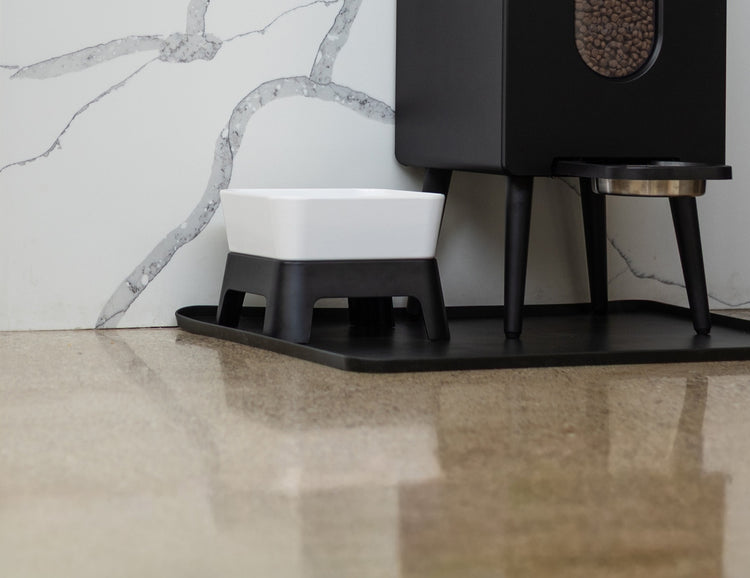
Avoid the "Utility Closet" look. We believe your dog’s feeding station should be a beautiful part of your home. A messy kitchen floor with open bags of food and half-used cans can make feeding feel like a chore. By using elegant solutions like our mid-century modern kibble dispenser, you turn a messy task into a design-forward ritual. When your feeding area is clean and organized, you’re more likely to take the time to serve those fresh recipes properly.
Common Mistakes When Finding a Favorite Recipe
One of the biggest mistakes owners make is assuming that "more is better." If a dog loves the Turkey recipe, the owner might start giving them extra large portions. This can lead to weight gain and actually make the dog less excited about the food over time because they are constantly overfull.
Stick to the recommended portions. Consistency is the secret to a long-term healthy relationship with food. Whether you are using a scoop or a crank mechanism, knowing exactly how much your dog is eating is vital. Our portion-control kibble dispenser removes the guesswork of scooping, ensuring that even when you change the "flavor" of the fresh food, the caloric foundation of the meal remains perfect.
Don't over-rotate. While variety is good, changing the flavor every single day can actually create a picky eater. A dog might start "holding out" for the most expensive or richest flavor, refusing to eat the healthier, leaner options. A better approach is to stick with one recipe for a few weeks before rotating to the next one.
The Ritual of Feeding
Feeding your dog is more than just a delivery of calories; it is a moment of connection. When you choose a recipe they love, you are showing them that you understand their needs and preferences.
Bottom line: Finding your dog's favorite recipe is a journey of observation. Use a taste test to identify their preference, but rely on high-quality tools and a consistent schedule to make the feeding experience truly elevated.
Consistency in Your Home
At Houndsy, our mission is to simplify and elevate the dog feeding experience. We know that as a dog owner, you care deeply about what goes into the bowl, but you also care about the environment where that feeding happens. The Houndsy Kibble Dispenser was born from the idea that a pet product should be as beautiful as it is functional.
By combining the fresh recipes your dog loves with a consistent, design-forward dry food system, you create a feeding routine that is both convenient and consistent. Our dispenser features a standing-height crank that eliminates the need to bend down or dig through messy bags, and its BPA-free liner keeps your dog's base food as fresh as the day you bought it. We are so confident that it will transform your daily routine that we offer a 30-day risk-free guarantee.
FAQ
Which fresh food recipe is best for a dog with a sensitive stomach?
The Chicken and Turkey recipes are generally the best options for dogs with sensitive digestion. These proteins are lean and easy for the body to break down, and the recipes often include soothing ingredients like pumpkin. Always transition slowly over seven days to give the stomach time to adjust to the new ingredients.
Can I mix different fresh food recipes together in one meal?
While you can mix recipes, it is usually better to stick to one at a time to monitor how your dog reacts to each protein. If your dog has a known allergy, mixing recipes makes it difficult to identify the culprit if they have a reaction. If you want to provide variety, try rotating the recipes every few weeks rather than mixing them in a single bowl.
How do I know if my dog is bored with their current recipe?
If your dog starts walking away from their bowl, eating significantly slower than usual, or "poking" at the food without consuming it, they might be bored. Before switching, try adding a little warm water to the recipe to enhance the aroma. If that doesn't work, it may be time to rotate to a new protein source like Lamb or Beef to pique their interest. For more ideas, explore this guide to helping dogs eat new food.
Does the recipe my dog likes best stay the same as they age?
Not necessarily. As dogs age, their nutritional needs and sensory perceptions change. A senior dog may lose some of their sense of smell and begin to prefer more aromatic, calorie-dense recipes like Beef or Pork. It is a good idea to re-evaluate your dog’s preferences every year or two to ensure their food is still providing both the joy and the nutrition they need.