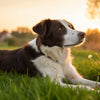
Can Dogs Drink Water After Exercise? Safety and Hydration Tips
- Houndsy
Table of Contents
- Introduction
- The Science of Dog Hydration
- Can Dogs Drink Water Immediately After Exercise?
- Understanding the Risks: Bloat and GDV
- The Hidden Danger of Water Intoxication
- Managing Hydration During Exercise
- Creating a Calm Post-Exercise Routine
- The Role of Diet in Hydration
- How to Tell if Your Dog is Dehydrated
- Encouraging a Reluctant Drinker
- The Connection Between Design and Routine
- Seasonal Considerations for Post-Exercise Drinking
- When to Call the Vet
- Steps to Perfect Post-Exercise Hydration
- Making Life Easier for You and Your Dog
- Conclusion
- FAQ
Introduction
You just walked through the front door after a brisk morning jog with your dog. You are out of breath, and your pup is panting even harder. Their first instinct—and yours—is to head straight for the water bowl. Watching your dog lap up water with frantic energy can feel satisfying. It looks like they are getting exactly what they need. However, as dog owners, we often wonder if there is a "right" way to handle this moment. Should they be drinking that much, that fast, so soon after sprinting through the park?
At Houndsy, we believe that every part of your dog’s routine should be as smooth and intentional as possible, which is why we designed the Houndsy Kibble Dispenser. Feeding and hydrating your dog is more than just a chore. It is a ritual that impacts their health and your home environment. Understanding the nuances of post-exercise hydration helps you protect your pet while maintaining a calm, orderly household.
This post covers everything you need to know about hydrating your dog after physical activity. We will explore the safety concerns of "gulping," how much water is actually enough, and how to create a post-exercise routine that keeps your dog safe and your kitchen floor dry.
The Science of Dog Hydration
Dogs do not cool down the same way humans do. While we sweat through our skin to regulate temperature, dogs rely primarily on panting. When a dog exercises, their internal temperature rises quickly. Panting allows moisture to evaporate from their tongue and lungs, which carries heat away from the body. This process is effective, but it is also a major source of water loss.
On a typical day, a healthy dog needs about one ounce of water for every pound of body weight. A 60-pound dog should ideally consume roughly 60 ounces of water daily. This baseline changes the moment you add exercise, heat, or a dry kibble diet into the mix.
Quick Answer: Yes, dogs can and should drink water after exercise, but it must be managed. Offering small, frequent sips is safer than allowing them to gulp a large bowl of water immediately after intense activity.
When your dog is panting heavily, they are losing more than just water. They are also working hard to regain their equilibrium. If they drink too much water too quickly while their heart rate is still elevated, it can lead to physical discomfort or more serious health complications.
Can Dogs Drink Water Immediately After Exercise?
The short answer is yes, but with a significant caveat: moderation is everything. If your dog has just finished a high-intensity run or a long game of fetch in the sun, their drive to drink will be at its peak. This is a survival instinct. However, allowing a dog to drain a two-quart bowl in thirty seconds is rarely a good idea.
Most veterinarians and trainers recommend a "cool down" period. Just as you wouldn't sit down for a five-course meal while still gasping for air after a treadmill session, your dog needs a moment for their system to stabilize. For a helpful companion read, How Long Should My Dog Pant After Exercise?.
The 15-Minute Rule A good rule of thumb is to wait about 10 to 15 minutes after vigorous exercise before allowing full, unrestricted access to a large water bowl. During this window, you can and should offer small amounts of water—perhaps half a cup at a time—to quench their immediate thirst without overfilling their stomach.
Why the wait matters When a dog is panting heavily, they are often swallowing a significant amount of air. If they combine that air intake with a massive volume of water, the stomach can expand rapidly. This leads to the two primary risks associated with post-exercise drinking: Bloat and Water Intoxication.
Understanding the Risks: Bloat and GDV
The most significant concern with a dog drinking too much too fast after exercise is Gastric Dilatation-Volvulus (GDV), commonly known as bloat. This is a life-threatening condition where the stomach fills with gas or fluid and then twists on itself.
While the exact cause of bloat is still debated, many experts believe that rapid ingestion of food or water, especially around the time of heavy exercise, is a major risk factor. Large, deep-chested breeds like Great Danes, German Shepherds, and Standard Poodles are more susceptible, but it can happen to any dog.
Myth: Only large dogs get bloat from drinking water. Fact: While deep-chested breeds are at higher risk, any dog that gulps excessive air and water together can experience gastric distress or dangerous stomach expansion.
By managing the way your dog drinks after a walk, you are actively reducing the mechanical stress on their digestive system. This is where consistency in your routine pays off, and the Houndsy dispenser helps turn mealtime into a calmer ritual.
The Hidden Danger of Water Intoxication
While rare, water intoxication (hyponatremia) is another reason to monitor your dog’s intake. This occurs when a dog drinks an excessive amount of water in a very short period, causing sodium levels in the blood to drop dangerously low. This leads to the body’s cells swelling with excess water.
Symptoms of water intoxication include:
- Lethargy or staggering
- Nausea and vomiting
- Excessive salivation
- Dilated pupils
- In severe cases, seizures or coma
This often happens not just from the water bowl, but from dogs playing with hoses or biting at waves in a lake. If your dog seems "drunk" or unusually clumsy after a heavy drinking session post-exercise, it is time to contact a veterinarian.
Managing Hydration During Exercise
The best way to prevent your dog from over-drinking after a workout is to ensure they never get dangerously thirsty during the workout. Hydration should be a proactive process, not a reactive one.
Frequent Water Breaks If you are on a long hike or a walk, stop every 15 to 20 minutes to offer a few laps of water. Carrying a portable bowl allows you to control the portions, and how much food to feed your dog each day can be a useful companion read when you think about serving sizes more intentionally. If you give them small amounts throughout the activity, their "thirst drive" will be much lower when you finally get back home.
Pre-Hydration Some owners find success in "water loading" or pre-hydrating about 30 minutes before exercise. Offering about 10ml of water per kilogram of body weight before you head out can give their tissues the hydration they need to handle the upcoming heat and exertion.
Bottom line: Controlled, frequent sips during activity are much safer than one giant "celebratory" drink at the end of a session.
Creating a Calm Post-Exercise Routine
A dog’s behavior at the water bowl is often a reflection of their overall state of mind. If your home environment is chaotic or their feeding schedule is unpredictable, they may approach their resources with a sense of urgency.
At Houndsy, we design our products to encourage a sense of calm and order. The ritual of coming home, cooling down, and eventually eating should be a highlight of your dog's day—and yours.
Step 1: The Transition When you return from exercise, don't go straight to the bowls. Spend five minutes in the yard or the entryway. Remove the leash, give your dog a gentle pat, and let their breathing slow down. This mental transition tells the dog that the "work" is over and it is time for "rest."
Step 2: Small Portions Offer a small amount of water in their bowl—just enough to cover the bottom. Once they finish that and wait a minute or two without frantic panting, add a little more.
Step 3: The Recovery Meal Once your dog is completely cooled down—usually 30 to 60 minutes after exercise—it is time for their meal. Using a consistent system for this makes a world of difference. Our perfect-portion dispenser is perfect for this moment because it provides perfect portion control with every turn of the crank. By eliminating the clatter of scoops and the mess of open bags, you maintain the calm atmosphere you worked to create during the cool-down.
The Role of Diet in Hydration
What your dog eats significantly impacts how much they need to drink. If your dog eats a diet consisting primarily of dry kibble, they are starting from a "hydration deficit" compared to dogs eating wet or raw food. Kibble is low in moisture, requiring the body to use internal water stores to digest it.
Because dry food is so convenient and nutritionally dense, many of us prefer it. However, it means we must be extra vigilant about water access. Keeping kibble fresh is also vital. For more on storage, see how long dry dog food lasts in a container.
How to Tell if Your Dog is Dehydrated
Sometimes the problem isn't that a dog is drinking too much, but that they aren't drinking enough. Dehydration can happen quickly during summer months or during intense play.
The Skin Turgor Test Gently pinch the skin between your dog’s shoulder blades and pull it up. In a well-hydrated dog, the skin will snap back into place instantly. If it stays in a "tent" shape or slides back slowly, your dog needs fluids.
Check the Gums A hydrated dog has slimy, wet gums. If your dog's gums feel tacky, sticky, or dry to the touch, they are likely dehydrated. You may also notice their saliva is thick or ropey.
Capillary Refill Time Press your finger firmly against your dog’s gum until it turns white. Lift your finger. The color should return to pink in less than two seconds. If it takes longer, their circulation may be sluggish due to fluid loss.
Encouraging a Reluctant Drinker
Not every dog is a "gulper." Some dogs are surprisingly picky about when and where they drink. If your dog refuses water after a walk, it might be due to the temperature of the water or the cleanliness of the bowl.
- Freshness is Key: Change the water daily. Slimy biofilm on the bottom of a bowl is a major deterrent for many dogs.
- Temperature: Some dogs prefer room temperature water, while others love a few ice cubes tossed in to make it a game.
- Location: If the water bowl is in a high-traffic area or a noisy laundry room, a stressed dog may avoid it.
- Consistency: Just as we recommend the Houndsy Kibble Dispenser for its ability to store 25–30 lbs of food in a clean, consistent way, we recommend keeping the water station in one dedicated, clean spot.
The Connection Between Design and Routine
It might seem strange to think about home decor when discussing dog hydration, but the two are deeply linked. Most traditional dog feeding stations are unsightly plastic bins or flimsy metal bowls that we hide in the corner of a mudroom or a pantry.
When your dog's "station" is hidden away in a cramped utility space, it is harder to monitor their intake and harder to maintain a clean environment. We believe that pet products should complement your home, not clash with it. Our mission is to elevate the dog feeding experience. Our mid-century modern design allows you to place the feeding station where it actually makes sense for your life—perhaps in the kitchen or near the back door where you enter after a walk.
When the Houndsy Kibble Dispenser is part of your furniture, the act of feeding and hydrating becomes a seamless part of your lifestyle. You aren't bending over, scooping out of a dusty bag, or tripping over a plastic bin. You are simply turning a crank, providing a perfect portion, and enjoying the company of your dog.
Seasonal Considerations for Post-Exercise Drinking
Hydration needs shift with the seasons. In the height of summer, the risk of heatstroke is high, making immediate (but controlled) hydration vital. In the winter, dry indoor air can actually dehydrate a dog just as quickly as a summer run.
Summer Safety
On hot days, the water you carry with you can quickly become lukewarm. While dogs can drink warm water, they are much more likely to hydrate effectively if the water is cool. If you are exercising in heat, try to find shaded areas for your water breaks. This allows the dog's core temperature to drop while they drink, making the hydration more effective.
Winter Hydration
In cold weather, dogs may not feel as thirsty, but they are still losing moisture through respiration in the dry air. Don't assume that because it is 30 degrees Fahrenheit out, your dog doesn't need a water break during their walk.
When to Call the Vet
While most post-exercise drinking is harmless, you should monitor your dog for any changes in behavior. If your dog’s thirst suddenly increases significantly (polydipsia) without a change in exercise level, it could be a sign of an underlying health issue like diabetes or kidney disease.
Conversely, if your dog completely refuses water for more than 24 hours, especially after exercise, a veterinary consultation is necessary.
Key Takeaway: Hydration is a balance. Your goal is to keep the "tank" topped up throughout the day so that the post-exercise period isn't a frantic rush to the bowl.
Steps to Perfect Post-Exercise Hydration
Follow these steps to ensure your dog stays safe and healthy after every workout:
- Hydrate Before: Offer a small drink 30 minutes before heading out.
- Sip During: Carry a portable bottle and offer small amounts every 15-20 minutes.
- Cool Down First: Upon returning, wait 10-15 minutes before allowing a full bowl.
- Monitor the Gulp: If they are drinking too fast, remove the bowl for 30 seconds to let them catch their breath.
- Check the Vitals: Ensure gums are pink and moist and breathing returns to normal within 20 minutes.
- Wait to Feed: Use your Houndsy Kibble Dispenser to provide a controlled meal once the dog is fully relaxed.
Making Life Easier for You and Your Dog
At the end of the day, being a dog owner is about the joy of the journey—the long walks, the games of fetch, and the quiet moments at home. These experiences shouldn't be overshadowed by the mess of a spilled water bowl or the worry of inconsistent feeding.
We created our products because we were tired of the "utility closet" aesthetic of pet care. Feeding your dog should be as simple and beautiful as the rest of your home. By choosing tools that prioritize portion control, ease of use, and high-end design, you are making a commitment to a better routine for your pet.
Our mission is to elevate the dog feeding experience. Whether it's the standing-height crank that saves your back or the auto-locking mechanism that keeps curious toddlers (and clever dogs) out of the kibble, every detail is designed with the modern home in mind. We want you to feel confident that your dog is getting exactly what they need, exactly when they need it.
Conclusion
Can dogs drink water after exercise? Absolutely. In fact, it is a critical part of their recovery. The key is to act as the "pace car" for their hydration. By offering water in stages and ensuring they have a calm environment to recover in, you prevent the risks of bloat and water intoxication while keeping them happy and healthy.
Maintaining a consistent routine is the best gift you can give your dog. From the way you handle water breaks on the trail to the way you serve their dinner in the kitchen, consistency breeds comfort. If you are looking to simplify that routine, this mid-century modern feeder is a great place to start. It turns a messy chore into a design-forward ritual that you can be proud of.
We stand behind our products with a 30-day risk-free guarantee because we know how much of a difference a well-organized home can make. Take the stress out of the "feeding frenzy" and replace it with a system that works for you and your dog.
FAQ
How long should I wait to give my dog water after a run?
You don't have to wait to give them any water at all, but you should wait 10 to 15 minutes before giving them a large, unrestricted amount. Offer small, frequent sips immediately to quench their thirst while their heart rate slows down.
Why does my dog cough after drinking water following exercise?
This often happens when a dog drinks too fast and accidentally inhales a small amount of water or air. If the coughing is persistent, it could be a sign of "gulping" too much air, which is a habit you should try to break by offering smaller portions of water at a time.
Is it okay to put ice in my dog's water after exercise?
Yes, for most dogs, ice is perfectly fine and can help cool the water down. However, don't force a dog to eat large amounts of ice if they are already shivering or overcooled, and always ensure the ice cubes are a size that won't cause a choking hazard.
Can my dog have a meal immediately after drinking water?
It is best to wait about 30 to 60 minutes after both heavy exercise and heavy drinking before feeding a full meal. This allows the stomach to settle and reduces the risk of digestive upset or the more serious condition of bloat.