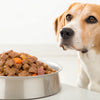
Can Dogs Only Eat Wet Food? The Complete Feeding Guide
- Houndsy
Table of Contents
- Introduction
- Is Wet Food Nutritionally Sufficient?
- The Major Benefits of an All-Wet Diet
- The Challenges of Feeding Only Wet Food
- Comparing the Two: Wet vs. Dry
- How Consistency Impacts Your Dog's Health
- Step-by-Step: Transitioning to Wet Food
- The "Best of Both Worlds" Strategy
- Hygiene and Safety Tips for Wet Food
- Evaluating Home Aesthetics and Storage
- Choosing the Right Wet Food
- Conclusion
- FAQ
Introduction
You know the sound. It is the distinct "tink" of a metal lid or the soft peel of a foil tray. Before you even have the food in the bowl, your dog is already dancing at your feet, tail thumping against the cabinets. For many dogs, wet food is the highlight of their day. It smells stronger, tastes richer, and has a texture that most pups find irresistible. But if your dog has started turning their nose up at dry kibble, or if you are considering a permanent switch, you might wonder if a wet-only diet is sustainable for the long haul.
At Houndsy, we believe that the feeding experience should be as simple for the owner as it is enjoyable for the dog, and that starts with the Houndsy Kibble Dispenser. Whether you are serving a gourmet pate or a high-quality dry kibble, the goal is always the same: a healthy, happy pet and a home that remains tidy and beautiful. There are many reasons to consider wet food, from hydration needs to senior health, but there are also practical considerations regarding cost, convenience, and dental hygiene.
This guide will explore whether dogs can thrive on an exclusively wet diet. We will look at the nutritional benefits, the potential drawbacks, and how you can manage your feeding routine to ensure your dog gets exactly what they need without turning your kitchen into a cluttered mess.
Quick Answer: Yes, dogs can live a healthy and full life eating only wet food, provided the food is labeled as "complete and balanced." While wet food offers superior hydration and palatability, it is often more expensive and requires more diligent dental care than a dry kibble diet.
Is Wet Food Nutritionally Sufficient?
The most important question any dog owner asks is whether their pet is getting the right nutrients. The short answer is that high-quality wet food is just as nutritionally complete as dry kibble. When you look at a can or tray of dog food, you should look for a statement from the Association of American Feed Control Officials (AAFCO). This ensures the recipe meets the basic nutritional requirements for a dog's specific life stage. For a deeper look at kibble basics, see what kibble is for dogs.
Wet food typically contains more meat protein and fewer carbohydrates than dry food. Because kibble requires starches like peas, potatoes, or grains to hold its shape during the "extrusion" process, it naturally has a higher carb count. Wet food is cooked and then sealed in the container, meaning it does not need those structural binders. For many dogs, this higher protein-to-carb ratio mimics a more ancestral diet.
Understanding the Moisture Difference
The most obvious difference between the two is water content. Dry kibble usually contains about 10% moisture. Wet food, on the other hand, is often 75% to 80% water. This is a massive jump. For dogs that do not drink enough water on their own, or those living in hot climates, this extra hydration is a significant health benefit. It takes a lot of pressure off the kidneys and helps keep the urinary tract flushed and healthy. If you want a deeper dive into hydration, read does wet dog food have water in it.
Caloric Density
One thing to watch for is how much you are actually feeding. Because wet food is mostly water, it is less "calorie-dense" than dry food. This means your dog has to eat a much larger volume of wet food to get the same amount of energy they would get from a small scoop of kibble. This is why you will often see owners of large breeds like Great Danes or Labradors stick to kibble; feeding a 100-pound dog exclusively on wet food can require six or seven cans a day.
The Major Benefits of an All-Wet Diet
If you are considering making the switch, there are several scenarios where wet food is not just an option, but the preferred choice. It solves specific problems that dry food sometimes struggles to address.
1. Helping Fussy Eaters
Some dogs are simply more discerning than others. If you have a dog that stares at their kibble bowl with boredom, wet food can be a lifesaver. The cooking process for canned food preserves the natural aromas of the meat. Since a dog’s sense of smell is much more tied to their appetite than ours, that strong scent makes the meal far more enticing.
2. Senior Dog Support
As dogs age, they often face two major hurdles: dental pain and a declining sense of smell. Senior dogs may find it painful to crunch down on hard kibble, leading them to skip meals. Wet food is soft and requires almost no chewing effort. Additionally, the heightened aroma helps stimulate the appetite of an older dog who may be losing interest in food.
3. Weight Management and Satiety
Because wet food has a high water content, it allows a dog to feel "full" while consuming fewer calories. If you have a dog that is always begging for more, wet food can help them feel satisfied after a meal without adding to their waistline. It is a great tool for weight loss because it adds bulk to the stomach without the caloric load of heavy starches.
4. Hydration and Kidney Health
Some dogs are "lazy drinkers." They might go all day without visiting the water bowl, which can lead to concentrated urine and, eventually, crystals or stones. By feeding wet food, you are effectively "hiding" a large portion of their daily water requirement right in their meal.
The Challenges of Feeding Only Wet Food
While the nutritional benefits are clear, the practical side of a wet-only diet can be a bit more complicated. It is important to look at how this choice affects your daily routine and your budget.
The Cost Factor
There is no getting around it: wet food is significantly more expensive than dry food. When you buy a 30-pound bag of high-quality kibble, you are paying for concentrated nutrition. When you buy wet food, you are paying for the packaging of each individual can, the shipping weight of the water inside, and the higher meat content. For a small dog, the cost might be manageable. For a large dog, it can become a significant monthly expense.
Dental Health Concerns
One of the biggest "myths" in dog feeding is that kibble acts like a toothbrush and cleans a dog's teeth. While most kibble is too brittle to actually "scrub" the teeth, the lack of any mechanical scraping in wet food does mean that plaque and tartar can build up more quickly.
Myth: Dry food completely prevents dental disease. Fact: While the crunch of kibble provides some minor mechanical cleaning, it is not a substitute for dental care. However, dogs on wet-only diets are statistically more prone to tartar buildup and require more frequent teeth brushing and professional cleanings.
Convenience and Mess
Feeding wet food is objectively messier. You have cans to recycle, lids to dispose of, and spoons to wash. If your dog is a messy eater, wet food can end up on the floor or stuck in their facial hair. Unlike dry food, which can sit in a bowl for a few hours if your dog likes to graze, wet food spoils quickly. Once it hits the bowl, it usually needs to be eaten within 30 to 60 minutes, or it becomes a magnet for bacteria and flies.
Comparing the Two: Wet vs. Dry
If you are still on the fence, it helps to see how these two feeding styles stack up against each other across the most common owner concerns.
| Feature | Wet Dog Food | Dry Dog Food (Kibble) |
|---|---|---|
| Moisture Content | High (75-80%) | Low (~10%) |
| Palatability | Very High | Moderate |
| Shelf Life (Opened) | 2-3 days (Refrigerated) | Several weeks |
| Cost per Meal | High | Low to Moderate |
| Storage Space | Requires more room for cans | Compact (especially in dispensers) |
| Ease of Feeding | Requires spoons/cleaning | Simple scooping or cranking |
| Dental Impact | More plaque buildup | Slight mechanical cleaning |
How Consistency Impacts Your Dog's Health
Whether you choose wet, dry, or a combination, consistency is the most important factor for your dog's digestive system. Dogs have shorter digestive tracts than humans, and their gut microbiome is highly specialized to the food they eat regularly. Switching brands or formats suddenly can lead to upset stomachs, gas, and loose stools.
We designed the Houndsy Kibble Dispenser specifically to address the need for consistency. When you use a system that delivers perfect portions with every turn of the crank, you eliminate the guesswork that often leads to overfeeding. If you are using wet food as a topper or an occasional treat, keeping your base dry food routine consistent is the best way to maintain your dog's long-term health.
Our mid-century modern feeder also solves the "storage eyesore" problem. While wet food cans often clutter the pantry, the Houndsy Kibble Dispenser features a mid-century modern design that fits into your living space. It keeps 25-30 lbs of dry food fresh in a BPA-free liner, which is ideal if you decide to go with a "mixed" feeding approach.
Step-by-Step: Transitioning to Wet Food
If you have decided that an all-wet diet is right for your dog, do not make the change overnight. A slow transition is necessary to prevent digestive distress.
Step 1: Start with a "Topper" Approach. For the first three days, replace only 25% of your dog's kibble with wet food. Mix it thoroughly so they cannot just pick out the "good stuff."
Step 2: Move to a 50/50 Split. From day four to day seven, move to half wet and half dry. Monitor your dog's energy levels and their stool consistency. If you notice any diarrhea, stay at this stage for a few extra days.
Step 3: Increase to 75% Wet Food. By the second week, most of the bowl should be wet food. At this stage, you might notice your dog drinking less water from their bowl—this is normal, as they are getting more hydration from their meals.
Step 4: Full Transition. After 10 to 14 days, you can move to 100% wet food. Ensure you are following the feeding guidelines on the can, as the volume of food will be much higher than what they were used to with kibble. If you keep some kibble in the mix, our guide on how to serve dry dog food can help you keep portions predictable.
The "Best of Both Worlds" Strategy
Many owners find that an "all or nothing" approach does not work for their lifestyle. This is why "mixed feeding" is the most popular choice for modern pet parents. By feeding kibble in the morning and wet food in the evening (or using wet food as a topper), you get the benefits of both.
- From the Kibble: You get the convenience, the cost savings, and the slight dental benefits.
- From the Wet Food: Your dog gets the hydration, the variety of flavor, and the excitement at mealtime.
If you choose this route, our standing-height kibble dispenser makes the "dry" part of the meal effortless. You don't have to bend down, scoop, or deal with a dusty bag. You simply give the crank a turn for a consistent portion and then add your wet topper. It keeps the process clean and organized.
Managing Portions in a Mixed Diet
The biggest risk of mixed feeding is "calorie creep." It is very easy to forget that a few tablespoons of wet food can add 50 to 100 calories to a meal. If you don't reduce the amount of kibble to compensate, your dog will slowly gain weight.
Bottom line: A mixed diet provides the hydration of wet food and the convenience of dry food, but you must be diligent about total daily calories to prevent obesity.
Hygiene and Safety Tips for Wet Food
If you are moving to a wet-only diet, your cleaning routine will need an upgrade. Wet food is a protein-rich environment that is perfect for bacterial growth.
- Wash the Bowl Daily: Unlike a kibble bowl that might just need a quick wipe, a wet food bowl must be washed with hot, soapy water after every single meal. Dried-on wet food is difficult to clean and can harbor Salmonella or E. coli.
- The 30-Minute Rule: If your dog hasn't finished their wet food within half an hour, pick it up. Do not leave it out all day.
- Refrigerate Properly: Once a can is opened, it stays fresh in the fridge for about 2 to 3 days. Use a silicone "can cover" to create an airtight seal. This prevents the food from drying out and keeps your fridge from smelling like dog food.
- Warm It Up: Most dogs don't like cold food straight from the fridge. Adding a splash of warm water to refrigerated wet food can bring it back to room temperature and "wake up" the aromas.
Evaluating Home Aesthetics and Storage
One thing many articles overlook is how a feeding choice changes your home environment. Dry food is easy to store in bulk, especially when you have a dedicated furniture-grade piece like our Houndsy Kibble Dispenser. It hides the mess and keeps the food sealed.
Wet food, however, creates a lot of "micro-trash." If you are feeding a large dog three cans a day, that is 21 cans a week and nearly 90 cans a month. This requires a robust recycling system and a place to store "the stash." Many owners find that a wet-only diet leads to a cluttered pantry or a kitchen that smells slightly like canned meat.
If you value a clean, minimalist home, this is a factor to consider. Many people choose to stick with a high-quality dry food because it is easier to keep "invisible" in the home. Our goal at Houndsy has always been to make the feeding ritual beautiful. If you want to learn more about that philosophy, read our mission to simplify and elevate dog feeding. If the logistics of wet food feel overwhelming, there is no shame in sticking to a high-quality dry diet that is easier for you to manage.
Choosing the Right Wet Food
Not all wet food is created equal. To ensure your dog is getting the best, you have to look past the pretty pictures of roasted chicken on the label and read the ingredient list.
- Named Proteins: Look for "Chicken," "Beef," or "Lamb" as the first ingredient. Avoid generic terms like "Meat By-Products" or "Animal Fat," which are less transparent about the source.
- Limited Fillers: While some vegetables are great, you don't want a wet food that is mostly "meat-flavored" wheat or corn.
- No Artificial Preservatives: Since the canning process itself preserves the food, there is very little reason for high-quality wet food to contain chemical preservatives like BHA or BHT.
- AAFCO Statement: As mentioned before, this is the "gold standard" for nutritional completeness in the US.
Key Takeaway: The best wet food is one that lists a specific meat as the primary ingredient and carries the AAFCO "complete and balanced" certification for your dog's age group.
Conclusion
Can dogs only eat wet food? Absolutely. For many pets—especially seniors, picky eaters, and those needing extra hydration—it is a fantastic choice. It provides a protein-forward, moisture-rich diet that most dogs find incredibly satisfying. However, it does come with trade-offs in terms of cost, dental hygiene, and daily cleanup.
At Houndsy, we are dedicated to simplifying and elevating the dog feeding experience. Whether you choose a wet-only diet, a convenient dry-food routine, or a mix of both, we believe the process should fit naturally into your life. Our mission is to provide tools that make consistency and portion control easy, while ensuring your home looks as good as it feels.
If you choose to incorporate dry food into your dog's life, the Houndsy Kibble Dispenser is designed to handle the heavy lifting. It offers a beautiful, modern solution to the mess of traditional feeding. We are so confident it will change your daily routine for the better that we offer our 30-day money-back guarantee.
Your next step is simple: evaluate your dog's specific needs—their age, their teeth, and their appetite—and decide which balance of wet and dry food works best for your family.
FAQ
Is wet food better for dogs than dry food?
Neither is objectively "better" for all dogs; the best choice depends on your pet's specific health needs and your lifestyle. Wet food offers better hydration and palatability, while dry food is generally more convenient, cost-effective, and better for maintaining dental health through mechanical chewing.
Can wet food cause diarrhea in dogs?
Wet food itself does not cause diarrhea, but a sudden switch from dry to wet can upset a dog’s digestive system. Because wet food is richer and has much higher moisture content, always transition slowly over 10 to 14 days to allow the gut bacteria to adjust.
Does wet food cause more tooth decay?
While wet food doesn't "cause" decay, it lacks the slightly abrasive texture of kibble that can help scrape away some plaque. Dogs on a 100% wet food diet often see faster tartar buildup, so it is important to be more diligent with regular teeth brushing and veterinary dental checkups.
How long can wet food sit out in the bowl?
Wet food should not sit out for more than 30 to 60 minutes. Because of its high moisture and protein content, it can quickly become a breeding ground for bacteria or attract pests like flies, unlike dry kibble which can safely stay out for several hours.