What Is the Best Wet Dog Food for Puppies?
- Houndsy
Table of Contents
- Introduction
- Why Wet Food Is Often the Right Choice for Puppies
- Critical Nutrients for a Growing Pup
- Identifying Quality Labels
- Top Recommendations for Wet Puppy Food
- Creating a Consistent Feeding Routine
- How Much and How Often to Feed
- Transitioning to a New Wet Food
- Storing Wet Dog Food Safely
- Recognizing Quality in the Bowl
- Designing a Better Life with Your Puppy
- Conclusion
- FAQ
Introduction
Bringing a new puppy home is a whirlwind of joy, sharp teeth, and endless questions. Between the midnight potty runs and the destroyed slippers, one of the most frequent points of uncertainty for new owners is the dinner bowl. You want to give your new companion the best start possible, but the pet food aisle is often a sea of confusing labels and competing claims. At Houndsy, we believe that feeding your dog should be the most rewarding part of your day, not a source of stress or a chore that clutters your kitchen. The Houndsy Kibble Dispenser helps turn that daily ritual into something calmer and more intentional.
Deciding what is the best wet dog food for puppies requires looking past the flashy packaging to understand the specific nutritional needs of a growing animal. Puppies aren't just small dogs; they are biological engines running at high speed, requiring precise levels of protein, fats, and minerals to build healthy bones and brains. This post covers exactly what to look for in a wet food, how to balance it with a consistent routine, and which options stand out for different breeds. Our goal is to help you build a feeding ritual that is as healthy as it is beautiful.
Why Wet Food Is Often the Right Choice for Puppies
Many veterinarians and experienced owners lean toward wet food for puppies, especially during those first few months of life. While high-quality kibble has its place, wet food offers a few distinct advantages that cater to a puppy’s unique physiology.
High Moisture Content and Hydration
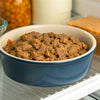
Puppies are incredibly active and can easily become dehydrated if they aren't drinking enough water. Wet dog food is typically composed of 75% to 85% water, which provides a massive boost to their daily hydration. This extra moisture helps support kidney function and keeps their digestion moving smoothly as their bodies adjust to solid food.
Palatability for Growing Appetites
The "puppy blues" often include a phase where a pup seems uninterested in their food. This can be worrying for a new owner. Wet food has a much stronger aroma and a more appealing texture than dry food. For a puppy who is distracted by everything in their new environment, the savory scent of a high-quality wet food can be the key to ensuring they actually eat their required calories. If you are thinking about adding wet food to the bowl, our guide on how to feed wet food to your dog is a helpful next step.
Easier on Teething Gums
Puppies go through an intense teething phase where their gums are sore and sensitive. Bending down to crunch through hard kibble can be uncomfortable during this time. The soft texture of a pâté or a stew-style wet food is much gentler on a puppy’s mouth. This ensures that the discomfort of teething doesn’t lead to meal skipping, which could stall their growth.
Key Takeaway: Wet food is a practical tool for ensuring hydration and consistent calorie intake, especially for puppies with sensitive teeth or picky appetites.
Critical Nutrients for a Growing Pup
Before you pick a brand, you need to know what a puppy actually needs to thrive. Unlike adult dogs, who primarily need maintenance nutrition, puppies need building blocks for rapid development.
High-Quality Protein Sources
Protein is the foundation of muscle, skin, and coat development. Look for whole meats like chicken, beef, or lamb listed as the first ingredient. Puppies require a higher percentage of protein than adult dogs to support their growing bodies. When reviewing wet food, check the label to ensure the protein is sourced from identifiable animals rather than vague meat terms.
Healthy Fats and DHA
Fats provide the concentrated energy puppies need to fuel their play. More importantly, Omega-3 fatty acids like DHA (docosahexaenoic acid) are vital. DHA is a primary structural component of the brain and retina. Providing a wet food rich in DHA—often sourced from fish oil—helps support healthy cognitive development and sharp vision.
Balanced Calcium and Phosphorus
This is perhaps the most critical part of puppy nutrition. Calcium and phosphorus must be provided in a specific ratio to ensure bones grow at the right speed. If a puppy grows too fast—common in large breeds—it can lead to joint issues later in life. A high-quality wet food designed specifically for puppies will have these minerals carefully balanced.
Myth: "All-life-stages" food is always the best choice for puppies.
Fact: While some all-life-stages foods are excellent, many puppies benefit from a formula specifically labeled for growth, which helps ensure the right levels of key nutrients.
Identifying Quality Labels
When you're trying to figure out what is the best wet dog food for puppies, the fine print on the back of the can is more important than the photos on the front. The most helpful labels clearly say the food is complete and balanced for growth.
Check for a complete and balanced claim. This ensures the food meets the basic nutritional requirements for a specific life stage. For a puppy, the label should explicitly state that it is formulated for growth or for all life stages including growth.
Avoid mystery fillers. While some grains or vegetables are healthy sources of fiber and carbohydrates, they shouldn't make up the bulk of the meal. If the first few ingredients are corn, soy, or wheat gluten, the food may be lacking the nutrient density a puppy needs. For a deeper look at what separates a solid formula from a marketing-heavy one, our guide on how to choose the best wet dog food is a useful companion read.
Top Recommendations for Wet Puppy Food
Different puppies have different needs based on their size and health. We’ve categorized some of the most trusted options many owners look for.
Best Overall Wet Puppy Food
For most puppies, a high-protein, moisture-rich formula with a smooth texture is the winner. A fresh-cooked option with clearly named ingredients can be a strong fit for many homes.
Best for Small and Toy Breeds
Small breed puppies, like Chihuahuas or Yorkies, have incredibly fast metabolisms. They need a food that is calorie-dense but served in very small, manageable pieces. A small-breed puppy formula with a minced texture is often the easiest fit for tiny mouths.
Best for Large Breed Puppies
Large breeds like Great Danes or Labradors need to grow slowly and steadily. A formula that keeps mineral levels controlled is often preferred because it supports a more measured growth pattern.
Best for Sensitive Stomachs
If your puppy frequently has soft stools or seems gassy after eating, they may need a more digestible option. A recipe with simple ingredients and easy-to-digest proteins can be gentler on a delicate digestive system.
Creating a Consistent Feeding Routine
Choosing the food is only half the battle. How and when you feed your puppy is just as important as what you put in the bowl. Puppies thrive on predictability. A consistent routine helps with housebreaking, reduces anxiety, and ensures they aren't overeating or undereating. If you’re building a schedule for a very young pup, our guide on how often to feed an 8 week old puppy is a helpful next read.
Consistency is the secret to a happy puppy. We designed the Houndsy Kibble Dispenser to bring this same sense of order to the feeding ritual. While the dispenser is built for dry food, many owners find that a mixed feeding approach is the most sustainable and nutritious path. You can use our dispenser to provide a perfectly portioned base of high-quality kibble, then top it with the best wet food to add hydration and flavor. This keeps the meal exciting for the pup while ensuring the bulk of their diet is consistent, fresh, and easy for you to manage.
The Benefits of Mixed Feeding
Mixed feeding—combining wet and dry food—gives your puppy the best of both worlds. If you want a deeper look at the pros and practical tradeoffs, our guide on how to feed wet and dry dog food is a useful companion piece. They get the dental benefits of crunching on kibble and the hydration and flavor of wet food.
- Texture Variety: It introduces your puppy to different mouthfeels, preventing them from becoming overly picky adults.
- Cost Effectiveness: Feeding 100% premium wet food can be expensive, especially as a puppy grows. Mixing it with high-quality kibble makes premium nutrition more accessible.
- Dental Health: The mechanical action of chewing kibble can help reduce plaque buildup, which wet food alone cannot do.
How Much and How Often to Feed
A puppy’s stomach is small, but their energy needs are huge. This means they need to eat small amounts frequently throughout the day. If you want a more detailed breakdown of ratios and portion math, our guide on how much wet and dry food to feed your dog is a helpful companion piece.
| Puppy Age | Feeding Frequency | Why It Matters |
|---|---|---|
| 6–12 Weeks | 4 meals per day | Prevents blood sugar drops and supports rapid growth. |
| 3–6 Months | 3 meals per day | The stomach capacity increases, allowing for larger, less frequent meals. |
| 6–12 Months | 2 meals per day | Most pups can transition to an adult-style morning and evening schedule. |
Always use a scale or a precise measuring tool. Guessing at portions is the fastest way to an overweight puppy. When you use the Houndsy dispenser for the dry portion of their meal, you get perfect portion control with every turn of the crank. This eliminates the "eyeballing" that often leads to overfeeding. You can then add a consistent amount of wet food on top, knowing exactly how many calories your puppy is receiving.
Transitioning to a New Wet Food
Never switch your puppy’s food overnight. Their digestive systems are sensitive, and a sudden change can lead to an upset stomach and a messy cleanup for you. If you want a step-by-step refresher on making the switch, our guide on how to feed wet food to your dog walks through the process in more detail.
Step 1: The 25% Phase / For the first two days, mix 25% of the new wet food with 75% of the old food. This introduces the new proteins and fats slowly.
Step 2: The 50/50 Phase / On days three and four, move to a half-and-half split. Observe your puppy’s stool consistency and energy levels.
Step 3: The 75% Phase / On days five and six, use 75% new food and 25% old. Most puppies will be fully adjusted by this point.
Step 4: The Full Switch / By day seven, you can move to 100% of the new wet food. If at any point your puppy has diarrhea or refuses to eat, go back one step and stay there for a few extra days.
Bottom line: A slow transition over 7 to 10 days is the best way to avoid GI upset and ensure your puppy actually enjoys their new diet.
Storing Wet Dog Food Safely
Unlike kibble, which can stay fresh in a sealed container for weeks, wet food is highly perishable once the seal is broken.
- Refrigerate Immediately: Any unused wet food must be covered and placed in the fridge right away. Most wet food stays fresh for 2 to 3 days after opening.
- The "30-Minute Rule": If your puppy doesn't finish their wet food within 30 minutes, pick it up and discard it. Bacteria grow quickly in moist food left at room temperature.
- Clean the Bowl: Wet food leaves a residue that can harbor bacteria. Wash your puppy’s bowl with hot, soapy water after every single meal.
For the dry-food side of the routine, our guide on how long dry dog food lasts in a container offers useful storage tips.
Our mission is to simplify these daily tasks. By streamlining the bulk part of feeding with a beautiful, standing-height solution like the Houndsy Kibble Dispenser, you free up time to focus on the details that matter—like prepping the perfect wet food topper or simply enjoying a few extra minutes of playtime.
Recognizing Quality in the Bowl
As you monitor how your puppy reacts to their new food, look for these signs of success:
- A Shiny Coat: High-quality fats and proteins show up first in the skin and fur.
- Consistent Energy: Your puppy should be playful and alert, not lethargic or hyper-active (beyond normal "zoomies").
- Small, Firm Stools: This is the best indicator that your puppy is actually absorbing the nutrients in their food rather than just passing fillers through their system.
Designing a Better Life with Your Puppy
Your home should be a sanctuary, not a place where you're constantly tripping over open bags of dog food or scrubbing crusty bowls in a cluttered kitchen. The "best" food is the one that fits your puppy’s nutritional needs while fitting into a lifestyle you actually enjoy. If you want to see the philosophy behind that approach, explore our brand story.
By choosing a high-quality wet food and pairing it with a consistent, design-forward feeding routine, you’re doing more than just filling a belly. You’re building a foundation of health and a home environment that celebrates the bond between you and your dog. We believe that when the work of pet ownership is simplified through better design and smarter tools, you have more room for the joy that a puppy brings into your life.
Key Takeaway: The best wet food for your puppy is one that supports growth, is rich in DHA, and is served within a consistent, clean, and predictable daily routine.
Conclusion
Finding the right wet food is a journey of observation and adjustment. Whether you choose a premium fresh-cooked option or a vet-recommended canned formula, the goal is the same: balanced growth and a happy, hydrated pup. Remember that every puppy is unique, and it is always a good idea to consult your veterinarian before making major changes to their diet.
At Houndsy, we are dedicated to making the feeding experience as beautiful as the rest of your home. We believe that consistency and convenience are the keys to a thriving pet. If you are looking to elevate your puppy's mealtime and bring some order to the chaos of the puppy phase, the Houndsy Kibble Dispenser is designed to help. It offers a sophisticated, mid-century modern look that replaces ugly bags and messy scoops with a simple, elegant crank mechanism. We’re so confident it will change the way you feel about feeding time that we offer a 30-day money-back guarantee.
- Focus on Protein: Look for real meat as the first ingredient.
- Prioritize DHA: Ensure the food supports brain and eye development.
- Maintain a Schedule: Feed small meals frequently to keep energy levels stable.
- Blend for Best Results: Consider a mixed feeding routine for variety and health.
"A well-fed puppy is a happy puppy, but a well-fed puppy in a well-ordered home is a happy owner."
FAQ
Is it okay to feed my puppy only wet food?
Yes, you can feed a puppy an all-wet diet as long as the food is labeled as complete and balanced for growth or all life stages. However, many owners choose to mix wet and dry food to provide texture variety and to help manage costs as the puppy grows. If you go the all-wet route, be extra diligent about your puppy's dental hygiene, as they won't have the crunch of kibble to help scrape away plaque.
How do I know if a wet food is high quality?
Look for a specific protein source like chicken rather than vague meat terms as the first ingredient and check for a complete-and-balanced statement on the label. High-quality wet foods will generally avoid artificial colors, flavors, and excessive fillers like corn or soy. You should also see specific mentions of DHA or omega fatty acids, which are crucial for a puppy's development.
Can I mix wet food with dry kibble for every meal?
Absolutely, and many veterinarians recommend this mixed feeding approach. It provides the hydration and palatability of wet food along with the convenience and dental benefits of dry kibble. When mixing, just be sure to calculate the total calories from both sources to ensure you aren't overfeeding your puppy. If you want a cleaner way to dispense the dry half, our dispenser can help keep the routine precise and consistent.
How long can wet food sit in my puppy's bowl?
Wet food should not sit out for more than 30 to 60 minutes. Because of its high moisture content, it is a breeding ground for bacteria once it reaches room temperature. If your puppy hasn't finished their meal within that window, it is best to throw the leftovers away and wash the bowl thoroughly to keep your pup's digestive system safe.