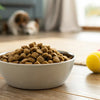
Healthy and Nutritious Options for What Can I Add to Dogs Dry Food
- Houndsy
Table of Contents
- Introduction
- The Benefits of Boosting Your Dog’s Kibble
- The Golden Rule: The 10 Percent Limit
- Nutritious Protein Additions
- Fresh Produce for Fiber and Antioxidants
- Liquids for Hydration and Flavor
- Healthy Fats for Skin and Coat
- How to Introduce Additions Without Upsetting the Stomach
- Solving the "Picky Eater" Puzzle
- Maintaining a Clean and Beautiful Feeding Routine
- Safety Check: Foods to Never Add
- Seasonal Add-ins for Year-Round Health
- Practical Steps for Busy Owners
- Conclusion
- FAQ
Introduction
We have all stood there, looking down at a bowl of plain, brown pebbles and wondered if our dogs are as bored with their dinner as we would be. Kibble is the bedrock of canine nutrition for millions of households because it is convenient, shelf-stable, and scientifically balanced. However, even the most premium dry food can feel a bit repetitive after a few months. You might notice your dog hesitating at the bowl or looking up at your dinner plate with extra longing.
At Houndsy, we believe that feeding your dog should be a highlight of your day, not a chore or a source of guilt. If you want a more intentional routine, the Houndsy Kibble Dispenser is the foundation we built this guide around. This guide will explore safe, healthy, and vibrant additions you can mix into your dog's bowl to provide a nutritional boost and a variety of flavors. We will cover everything from kitchen staples to fresh produce, ensuring you can elevate your dog's meal without spending hours in the kitchen.
Our goal is to help you transform a standard feeding routine into a moment of connection and wellness. By adding the right whole foods, you can support your dog’s coat, digestion, and energy levels while making their daily ritual much more exciting.
The Benefits of Boosting Your Dog’s Kibble
Dry food is a miracle of modern convenience, but the high-heat processing required to make it shelf-stable can sometimes reduce the vibrancy of certain nutrients. If freshness is part of the challenge, how long dry dog food stays fresh is a useful lens for thinking about storage and rotation.
Adding fresh, whole foods provides active enzymes, antioxidants, and hydration that kibble lacks. Most dry foods have a moisture content of around 10%, which can leave some dogs in a state of mild, chronic dehydration. By incorporating toppers, you introduce much-needed moisture that supports kidney health and digestion.
Beyond the physical benefits, variety offers mental stimulation. Dogs experience much of the world through their sense of smell and taste. A rotation of safe, healthy additions keeps them engaged with their food, which can be particularly helpful for aging dogs who might be losing interest in eating.
The Golden Rule: The 10 Percent Limit
Before we dive into the specific foods, we must discuss the most important rule of meal toppers. While it is tempting to load up the bowl with "the good stuff," your dog’s main kibble is formulated to provide a very specific balance of calcium, phosphorus, vitamins, and minerals.
Key Takeaway: Treat add-ins as a garnish, not the main course. To avoid unbalancing your dog's diet, ensure that all toppers and treats make up no more than 10% of their daily caloric intake.
If you consistently replace a large portion of their kibble with unfortified human food, you risk causing a nutritional deficiency over time. For those of us who appreciate precision, the Houndsy Kibble Dispenser helps maintain this balance perfectly. Because it provides consistent portion control with every turn of the crank, you always know exactly how much "base" food your dog is getting, making it much easier to calculate that 10% window for your additions.
Nutritious Protein Additions
Protein is the building block of your dog's muscles, skin, and immune system. Since most kibbles are high in carbohydrates to maintain their shape, adding a high-quality protein topper is often the most beneficial move you can make.
Fresh Eggs
Eggs are often called the "gold standard" of protein because they contain a complete amino acid profile. They are also rich in biotin and riboflavin, which help keep your dog's coat shiny and their skin healthy.
- How to serve: You can serve eggs scrambled, hard-boiled, or even raw if you source them from a high-quality, local farm.
- Pro tip: For smaller dogs, half an egg is plenty. For larger breeds, a whole egg a few times a week is a great addition.
Canned Sardines or Mackerel
Oily fish is a powerhouse of Omega-3 fatty acids, specifically EPA and DHA. These fats are excellent for reducing inflammation, supporting joint health, and boosting brain function in senior dogs.
- What to look for: Always choose fish packed in water with no added salt. Avoid fish packed in oil, as the extra fat can cause digestive upset or pancreatitis in sensitive dogs.
- Serving size: One or two small sardines is a massive nutritional win for any dog.
Lean Muscle Meats
If you have leftover plain chicken breast, turkey, or lean beef, these make excellent mixers. Animal protein supports the central nervous system and contributes to wound healing.
- Safety first: Ensure the meat is unseasoned. Onions, garlic, and excessive salt are common in human cooking but are toxic or harmful to dogs.
- Avoid cooked bones: While raw bones can be a great treat for some, cooked bones become brittle and can splinter, causing internal damage.
Fresh Produce for Fiber and Antioxidants
Fruits and vegetables are not just fillers; they provide phytonutrients and fiber that can improve your dog’s stool quality and immune response.
Canned Pumpkin
This is the ultimate "holy grail" for dog owners. Pureed pumpkin (not the spiced pie filling) is incredibly high in fiber. It is a unique tool that can help with both diarrhea and constipation by regulating the moisture in the digestive tract.
- Serving: A tablespoon or two mixed into the kibble is usually enough. It also adds a pleasant sweetness that most dogs love.
Steamed Broccoli and Green Beans
These green vegetables are low in calories but high in Vitamin K and C. Green beans are often recommended by veterinarians as a "filler" for dogs that need to lose a little weight because they provide a feeling of fullness without the calorie count.
- Preparation: Dogs have a shorter digestive tract than humans and cannot easily break down the cell walls of raw vegetables. Steaming or pureeing these veggies makes the nutrients much more bioavailable for your dog.
Berries and Apples
Blueberries, strawberries, and raspberries are packed with antioxidants that fight free radicals. Apples (without the seeds or core) provide a satisfying crunch and Vitamin A.
- The Sugar Factor: Fruit contains natural sugars, so keep these portions small. A small handful of blueberries is a perfect topper for a medium-sized dog.
Liquids for Hydration and Flavor
If your dog tends to ignore their bowl until they are starving, adding liquid can enhance the aroma of the kibble and make it much more enticing. For a deeper dive into moisture and mealtime, adding water to kibble is a helpful next read.
Bone Broth
Real bone broth is rich in collagen and amino acids like glycine, which support gut lining and joint health. You can find dog-specific bone broths at pet stores, or make your own by simmering beef or marrow bones for 24 hours.
- Warning: Most grocery store broths for humans contain onions and high levels of sodium. Always read the label or stick to water and a little bit of plain meat juice.
Raw Goat's Milk
Often called "universal milk," goat's milk is much easier for dogs to digest than cow's milk. it is loaded with probiotics, which are the beneficial bacteria that live in the gut and support the immune system.
- Consistency: Adding a splash of goat's milk turns dry kibble into a creamy, decadent meal.
Bottom line: Adding moisture through broth or goat's milk is one of the fastest ways to improve the palatability of dry food while supporting kidney function through better hydration.
Healthy Fats for Skin and Coat
If you notice your dog has itchy skin or a dull, brittle coat, the answer might be in the fats you add to their bowl.
Fish Oil
While we mentioned whole fish earlier, a high-quality liquid fish oil is a convenient way to get those Omega-3s in every day. It is especially helpful for dogs with seasonal allergies or arthritis.
- Storage: Fish oil can go rancid quickly. Keep it in a dark bottle in the refrigerator to maintain its potency.
Coconut Oil
In small amounts, coconut oil can help with digestion and give the coat a beautiful sheen. It also has mild antibacterial and antifungal properties.
- Moderation: Coconut oil is very calorie-dense. A teaspoon is usually plenty for a medium-to-large dog.
How to Introduce Additions Without Upsetting the Stomach
Even the healthiest food can cause an upset stomach if it is introduced too quickly. Dogs have relatively sensitive digestive systems that thrive on consistency. When you decide to start adding new items to their dry food, follow a gradual process.
Step 1: Choose one ingredient. Do not add eggs, sardines, and pumpkin all on the same day. Start with one item so you can monitor how your dog reacts.
Step 2: Start with a "micro-portion." If you are adding pumpkin, start with a teaspoon. If you are adding an egg, start with a small spoonful of scrambled egg.
Step 3: Monitor the output. The best way to tell if an addition is working is to check your dog's stool. If it remains firm, the addition is a success. If it becomes loose, back off the amount or try a different ingredient.
Step 4: Rotate for variety. Once you know your dog handles three or four different additions well, you can start rotating them throughout the week to keep things interesting.
Solving the "Picky Eater" Puzzle
Many owners start adding things to dry food because their dog has become a picky eater. However, sometimes the "pickiness" is actually a response to how the food is stored or served.
Kibble contains fats that begin to oxidize and go rancid the moment the bag is opened. If your dog is turning their nose up at the bowl, it might be because the food doesn't smell fresh anymore. We designed our BPA-free dispenser with a liner that helps keep those 25–30 lbs of kibble fresher for longer. When the food stays fresh, the natural aromas are preserved, which often solves the "picky" behavior before you even have to add a topper.
Furthermore, some dogs develop a preference for the "toppings" and will start picking around the kibble to only eat the additions. If this happens, try mashing the toppers into the dry food or using a liquid like broth to coat every piece of kibble. This ensures they get the balanced nutrition of the dry food along with the flavor of the addition.
Maintaining a Clean and Beautiful Feeding Routine
For those of us who care about our home environment, adding fresh food to a dog's bowl can sometimes feel like an invitation for a mess. Spilled broth, smeared pumpkin, and scattered blueberries can quickly make a kitchen feel cluttered and dirty.
Integrating these healthy habits into a design-forward home is about having the right tools. Our mission is to simplify and elevate the dog feeding experience so that it fits into your life, rather than disrupting it. The team behind Houndsy built this around ergonomic design and modern aesthetics so feeding feels like a natural part of the home.
When your feeding routine is organized and the equipment is easy to use—like our standing-height crank dispenser that eliminates the need for bending and scooping—you are much more likely to take those extra thirty seconds to steam some broccoli or crack an egg into the bowl. Consistency is the most important part of pet care, and good design makes consistency easy.
Safety Check: Foods to Never Add
While there are dozens of great options, there are several "human foods" that must stay far away from your dog's bowl.
Myth: "If it's healthy for me, it's healthy for my dog." Fact: Many nutrient-dense human foods, like grapes and onions, can cause organ failure in dogs. Always verify safety before sharing.
- Onions, Garlic, and Chives: These can damage a dog's red blood cells.
- Grapes and Raisins: These can cause acute kidney failure, even in small amounts.
- Xylitol (Birch Sugar): Often found in "sugar-free" peanut butters or yogurts, this is highly toxic to dogs.
- Macadamia Nuts: These can cause weakness, vomiting, and tremors.
- Chocolate and Caffeine: These affect the heart and nervous system.
If you are ever in doubt, stick to the "Big Three" safest options: plain cooked chicken, canned pumpkin, or a splash of water. For a broader look at hygiene, a dirty food bowl can make a dog sick is a useful reminder that storage and cleaning matter too.
Seasonal Add-ins for Year-Round Health
The answer to what you can add to your dog's dry food can change with the seasons. Just as we crave different foods in the summer versus the winter, your dog can benefit from a seasonal approach.
| Season | Goal | Recommended Add-ins |
|---|---|---|
| Summer | Hydration & Cooling | Frozen blueberries, cucumber slices, cold watermelon (no seeds). |
| Fall | Digestive Support | Fresh pureed pumpkin, steamed squash, apple slices. |
| Winter | Joint & Skin Health | Warm bone broth, extra fish oil, poached salmon. |
| Spring | Immune Boost | Fresh parsley (breath freshener), steamed green beans, goat's milk. |
Practical Steps for Busy Owners
We know you are busy. You don't always have time to prepare a five-star meal for your dog before heading to work. Here is how we make it manageable:
- Prep in batches: When you make a salad for yourself, chop a few extra carrots and put them in a small container for the dog's meals for the next three days.
- Use the freezer: If you have extra bone broth or pumpkin, freeze them in ice cube trays. You can pop one cube onto the kibble in the morning; it will melt into a delicious sauce by the time they are ready to eat.
- The "One-Turn" Rule: If you use our standing-height crank dispenser, you already have a fast, consistent routine. Use the time you save by not scooping to quickly add a healthy topper.
Conclusion
Elevating your dog’s dry food doesn’t require a culinary degree or a massive budget. By simply looking at your own kitchen—the eggs in the fridge, the green beans in the crisper, or the blueberries on the counter—you have everything you need to improve your dog's health and happiness. Remember to keep your additions under 10% of their daily calories and prioritize animal-source proteins and fiber-rich vegetables.
At Houndsy, we believe that every part of life with a dog should be beautiful and easy. Our mid-century modern feeder was built to provide that foundation of consistency and freshness, giving you the perfect canvas to add these nutritious toppers. When you simplify the "how" of feeding, you have more room to focus on the "what."
We are so confident that our approach to feeding will improve your daily routine that we offer a 30-day risk-free guarantee. Whether you are dealing with a picky eater or just want to give your best friend the very best, starting with a clean, consistent, and well-designed feeding station is the first step toward a healthier life together.
FAQ
Is it okay to mix wet and dry dog food every day?
Yes, mixing wet and dry food is a great way to add moisture and protein to your dog's diet. Just be sure to adjust the amount of dry kibble to account for the extra calories in the wet food so your dog maintains a healthy weight.
Can I add water to my dog's dry food?
Absolutely. Adding warm water to kibble is the simplest way to improve hydration and enhance the food's aroma. It also softens the kibble, which can be helpful for senior dogs or puppies with sensitive teeth.
What is the best vegetable to add to kibble for weight loss?
Green beans are widely considered the best option for weight management. They are very low in calories but high in fiber, which helps your dog feel full and satisfied while eating smaller portions of their calorie-dense kibble.
Can I give my dog raw eggs in their food?
While many dogs handle raw eggs perfectly well and benefit from the high-quality protein and fats, there is a small risk of salmonella. If you choose to feed raw eggs, ensure they are fresh and sourced from a reputable, high-quality farm, or simply poach or scramble them to be safe.