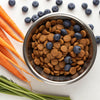
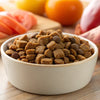
What Can Be Added to Dry Dog Food to Elevate Every Meal
- Houndsy
Table of Contents
- Introduction
- The Philosophy of the Elevated Bowl
- The Golden Rule of 10 Percent
- Hydration Helpers: Moisture is Key
- Protein Powerhouses: Building Lean Muscle
- Fresh Produce: The Garden in the Bowl
- Healthy Fats and Oils: The Finishing Touch
- The Importance of Freshness and Consistency
- Safety First: What You Must Avoid
- Step-by-Step: Transitioning to a Topper Routine
- Why Design Matters in the Feeding Ritual
- Conclusion
- FAQ
Introduction
You have probably seen it before: your dog stands over their bowl, takes a single sniff of the same kibble they have eaten for three years, and looks up at you with a heavy sigh. It is a moment every dog owner recognizes. While high-quality dry food provides the essential nutrients our pets need to thrive, eating the exact same crunchy texture every single day can become a bit monotonous. We believe that feeding your dog should be more than just a chore; it should be a highlight of their day and a seamless part of your home routine.
At Houndsy, we are dedicated to simplifying and elevating the feeding experience, starting with the Houndsy Kibble Dispenser. But once that fresh kibble hits the bowl, there is a world of possibilities to make it even more enticing. Whether you are dealing with a picky eater, looking to boost their nutrition, or simply wanting to show them a little extra love, knowing what can be added to dry dog food can transform a standard meal into a gourmet experience.
In this guide, we will explore the best healthy add-ins, how to balance calories, and the simple ways to keep mealtime fresh and exciting. Our mission is to help you create a feeding ritual that is consistent, convenient, and beautiful.
Quick Answer: You can enhance dry dog food by adding moisture through bone broth or warm water, increasing protein with eggs or cooked meats, and providing fiber with pumpkin or fresh vegetables. Always ensure these additions make up no more than 10% of your dog's daily caloric intake to maintain a balanced diet.
The Philosophy of the Elevated Bowl
Before we dive into the specific ingredients, it is helpful to understand why we add things to kibble in the first place. For many dogs, the primary driver is sensory. A dog's sense of smell is significantly more powerful than their sense of taste. Dry kibble, while nutritionally dense, does not always release a strong aroma. By adding moisture or fresh ingredients, you "unlock" the scents of the food, making it much more appealing to a reluctant eater.
Beyond flavor, toppers provide an opportunity for functional nutrition. We can use add-ins to support joint health, improve coat shine, or aid digestion. However, it is important to remember that most commercial dog foods are "complete and balanced." This means they already contain the exact ratio of vitamins and minerals a dog needs. When we add too much "extra" stuff, we risk diluting those nutrients or causing weight gain.
Key Takeaway: Think of kibble as the balanced foundation and add-ins as the functional "seasoning" that provides hydration and sensory enrichment.
The Golden Rule of 10 Percent
The most common mistake dog owners make when adding fresh food to kibble is overfeeding. It is incredibly easy to accidentally double your dog's calorie count with a few scoops of peanut butter or a handful of cheese.
To keep your dog at a healthy weight, follow the 10 percent rule. This means that all "extras"—including toppers, treats, and dental chews—should not exceed 10 percent of your dog’s total daily calories. If you are adding a significant amount of fresh food, you should slightly reduce the amount of kibble you serve to compensate. For more help with daily portions, see our guide on how much food should I feed my adult dog.
Caloric Balance Table
| Add-In Type | Recommended Serving (Approx.) | Primary Benefit |
|---|---|---|
| Plain Pumpkin | 1-2 teaspoons per 10 lbs | Digestion & Fiber |
| Cooked Egg | 1/2 egg for medium dogs | Protein & Biotin |
| Bone Broth | 1/4 cup | Hydration & Flavor |
| Blueberries | 3-5 berries | Antioxidants |
| Salmon Oil | 1/2 teaspoon | Skin & Coat Health |
Hydration Helpers: Moisture is Key
Dry dog food typically contains only about 10 percent moisture. In contrast, a dog's natural diet in the wild would be much more hydrating. Adding liquid to kibble is perhaps the easiest and most effective way to improve the feeding experience. If you want more serving ideas, our guide on how to serve dry dog food is a helpful next step.
1. Warm Water
It sounds simple, but warm water is a highly effective "topper." When you add warm water to dry food, it creates a savory gravy and softens the texture. This is especially helpful for senior dogs who may have dental sensitivity. The heat also helps release the fats and aromas in the kibble.
2. Dog-Safe Bone Broth
Not all broth is created equal. Many store-bought broths for humans contain onions, garlic, and high levels of sodium—all of which are dangerous for dogs. Always choose a broth specifically formulated for pets or make your own at home using only dog-safe bones and vegetables. Bone broth is rich in collagen, which supports joint health and gut integrity.
3. Goat’s Milk or Kefir
Fermented dairy can be a powerhouse for gut health. Raw goat’s milk is often called "universal milk" because it is much easier for dogs to digest than cow’s milk. It is packed with probiotics and enzymes. A small splash over dry food can help dogs with sensitive stomachs process their meals more effectively.
Protein Powerhouses: Building Lean Muscle
If you want to give your dog an extra boost of energy and support their immune system, animal-source proteins are the way to go. Most dogs have a high drive for meat, making these the perfect additions for picky eaters.
Fresh Eggs
Eggs are one of the most complete protein sources available. They contain essential amino acids and biotin, which is fantastic for skin and coat health. You can serve them scrambled, hard-boiled, or even poached. While some owners feed raw eggs, cooking them slightly helps prevent the risk of salmonella and makes the protein more bioavailable.
Lean Cooked Meats
Adding small amounts of plain chicken, turkey, or lean beef is a great way to use up leftovers—provided they weren't seasoned with garlic or onions.
- Chicken breast: Low in fat and high in protein.
- Ground turkey: A lean alternative that most dogs find delicious.
- Lean beef: Excellent for active dogs needing extra iron.
Canned Sardines
For a major Omega-3 boost, look no further than the humble sardine. Ensure they are packed in water with no added salt. One or two small sardines a few times a week can significantly improve joint inflammation and make your dog’s coat incredibly shiny.
Fresh Produce: The Garden in the Bowl
Vegetables and fruits provide fiber, vitamins, and a satisfying crunch. However, because dogs have shorter digestive tracts than humans, they cannot always break down the cellulose in raw vegetables. To help them get the most nutrition, consider steaming or pureeing most greens.
The Best Vegetables for Dogs
- Carrots: Great for dental health when raw; a source of beta-carotene when cooked.
- Green Beans: Often called "the perfect filler," they are low in calories and high in fiber.
- Steamed Broccoli: High in Vitamin C and K, but should be given in small amounts.
- Plain Canned Pumpkin: The ultimate digestive aid for both diarrhea and constipation.
Fruit Add-ins
Fruits should be treated as a sweet treat due to their sugar content.
- Blueberries: A tiny antioxidant powerhouse.
- Apples: Provide a great crunch (never include the seeds or core).
- Bananas: Good for a quick energy boost, but very high in sugar.
Bottom line: Adding vegetables is an excellent way to help a dog feel full without adding excessive calories, which is perfect for dogs on a weight-management plan.
Healthy Fats and Oils: The Finishing Touch
Fats are a vital part of a dog's diet, providing energy and supporting cell function. If your dog has itchy skin or a lackluster coat, adding a high-quality oil to their dry food can make a visible difference in just a few weeks.
Salmon Oil and Fish Oils
These are the gold standard for Omega-3 fatty acids (EPA and DHA). They support heart health, brain function, and joint mobility. Most dogs love the fishy scent, which encourages them to finish their entire bowl of kibble.
Coconut Oil
In moderation, coconut oil can support digestion and help with skin conditions. It has antimicrobial properties and can give your dog a little extra energy. It is also great for freshening up "dog breath." Start with a very small amount (half a teaspoon) to ensure it doesn't upset their stomach.
The Importance of Freshness and Consistency
While adding toppers is a great way to enhance a meal, the foundation—the kibble—must be high quality and, more importantly, fresh. Even the best toppers won't mask the smell or taste of rancid, oxidized dog food. Most people don't realize that as soon as a bag of dog food is opened, the fats begin to break down, and the nutritional value starts to decline. For a deeper look, see how long kibble stays fresh.
This is where our BPA-free liner becomes a vital part of your routine.
Consistency is just as important as freshness. Dogs thrive on routine. When you use the Houndsy dispenser, you get perfect portion control with every turn of the crank. This ensures that even when you are adding toppers, you know exactly how much base kibble your dog is getting. This level of precision makes it much easier to manage their weight and ensures they get the right balance of nutrients every single day. Plus, the mid-century modern design means you can keep the feeder in your kitchen or dining room rather than hiding it in a dark closet, making it easier to remember the "extra" steps of adding healthy toppers.
Safety First: What You Must Avoid
Not all "human food" is safe for dogs. Some ingredients that are healthy for us can be toxic—or even fatal—for our pets. Before you clear your plate into your dog's bowl, ensure none of the following are present:
- Onions, Garlic, and Chives: These can damage a dog's red blood cells.
- Grapes and Raisins: Can cause acute kidney failure.
- Xylitol: An artificial sweetener found in some peanut butters and yogurts. It is extremely toxic.
- Chocolate and Caffeine: Can cause heart and nervous system issues.
- Macadamia Nuts: Lead to weakness, vomiting, and tremors.
- Cooked Bones: Unlike raw bones, cooked bones become brittle and can splinter, causing internal punctures.
Myth: "Free-feeding" (leaving food out all day) is the best way to let a dog choose when to eat. Fact: Scheduled feedings with a consistent routine prevent obesity and allow you to monitor appetite changes that might indicate health issues.
Step-by-Step: Transitioning to a Topper Routine
If your dog has only ever eaten plain dry kibble, introducing new foods too quickly can lead to an upset stomach. Follow these steps to introduce variety safely.
Step 1: Start with one ingredient. Choose a single add-in, like a spoonful of plain pumpkin or a splash of bone broth. Do not add five new things at once, or you won't know which one caused an issue if your dog gets an upset stomach.
Step 2: Use small amounts. Begin with just a teaspoon of the new food. Monitor your dog for the next 24 hours for any signs of lethargy, gas, or loose stools.
Step 3: Gradually increase the portion. If they tolerate the small amount well, you can gradually increase it up to that 10 percent daily limit over several days.
Step 4: Rotate for variety. Once your dog is used to a few different toppers, feel free to rotate them. Maybe Monday is "Egg Day" and Wednesday is "Sardine Day." This keeps them interested and provides a wider spectrum of nutrients.
Why Design Matters in the Feeding Ritual
We often think of dog feeding as a messy, utilitarian task. We bend down to scoop food from a heavy bag, spill a few pieces on the floor, and leave an unsightly plastic bin in the corner of the room. But when we elevate the tools we use, the ritual itself feels more intentional.
The standing-height crank of the Houndsy Kibble Dispenser means no more bending over and no more mess. When the process is convenient and the equipment is beautiful, you are more likely to take those extra thirty seconds to steam some green beans or crack an egg into the bowl. It turns a chore into a moment of care for your best friend. Our design-forward approach ensures that your pet's needs are met without compromising the aesthetic of your home.
Conclusion
Enhancing your dog’s dry food is one of the simplest ways to improve their quality of life. By adding moisture, high-quality proteins, and fresh produce, you are providing sensory enrichment and functional health benefits. Remember to stick to the 10 percent rule, introduce new foods slowly, and always prioritize safety.
At Houndsy, we believe that the feeding experience should be as beautiful as it is functional. By combining a consistent, fresh kibble foundation with thoughtful, healthy add-ins, you are giving your dog the very best. Our mission is to make that process effortless for you and delicious for them.
If you are ready to simplify your routine and keep your dog's food fresher than ever, explore the Houndsy Kibble Dispenser with financing options and a 30-day risk-free guarantee. Your dog—and your kitchen—will thank you.
FAQ
Is it okay to mix wet and dry dog food every day?
Yes, mixing wet and dry food is a great way to add moisture and variety to your dog's diet. Just be sure to calculate the total calories of both to ensure you aren't overfeeding, as wet food is often more calorie-dense than it looks.
Can I add human gravy to my dog's kibble?
Generally, no. Most human gravies are high in salt, fats, and often contain onions or garlic powder, which are toxic to dogs. It is much safer to use a dedicated pet-safe bone broth or plain warm water.
Why did my dog stop eating their dry food suddenly?
A sudden loss of appetite can be caused by boredom, but it can also signal dental pain, illness, or that the kibble has gone stale. If freshness may be the issue, our guide on how to store kibble dog food covers the basics. If your dog stops eating and shows other symptoms like lethargy or vomiting, consult your veterinarian immediately.
Do I need to cook vegetables before adding them to kibble?
While some vegetables like carrots can be eaten raw, most are better served steamed or pureed. This breaks down the tough plant cell walls, making it much easier for your dog to digest the nutrients and preventing stomach upset.