What Can I Add to Kibble for Dog to Boost Nutrition and Flavor
- Houndsy
Table of Contents
- Introduction
- Why You Should Consider Adding Toppers to Kibble
- The Golden Rule: The 10% to 25% Guideline
- High-Protein Additions
- Garden-Fresh Vegetables
- Fruits as a Sweet Supplement
- Healthy Fats and Oils
- Adding Hydration: The "Gravy" Method
- Foods to Absolutely Avoid
- How to Introduce New Toppers
- The Role of Consistency and Environment
- Conclusion
- FAQ
Introduction
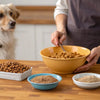
We have all been there. You stand in your kitchen, looking down at a bowl of dry, brown nuggets, and wonder if your dog is as bored with their dinner as you are with looking at it. While high-quality kibble provides a scientifically balanced base for your dog’s health, it can sometimes feel a bit utilitarian. Feeding your dog is one of the few moments in the day where you can truly connect, and it is natural to want to make that experience more vibrant, nutritious, and appetizing.
At Houndsy, we believe that feeding your dog should be a moment of joy rather than a chore, and the Houndsy Kibble Dispenser helps elevate every part of that ritual, from the way you store your food to the way it lands in the bowl. Adding fresh, whole-food toppers to your dog's kibble is a fantastic way to bridge the gap between convenience and a fresh-food diet. It allows you to provide variety and essential nutrients without the mess and expense of a 100% raw or fresh-cooked regimen.
This guide will walk you through the safest and most effective ways to enhance your dog’s meals. We will cover the best proteins, vegetables, and oils to mix into the bowl, as well as the safety rules every dog owner needs to know. By the end, you will have a clear plan for turning a standard bowl of kibble into a nutritious feast your pup will love.
Quick Answer: You can safely add high-quality proteins like cooked chicken or eggs, fiber-rich vegetables like steamed carrots or pumpkin, and healthy fats like fish oil to your dog’s kibble. To keep their diet balanced, these extras should generally make up no more than 10% to 25% of their total daily caloric intake.
Why You Should Consider Adding Toppers to Kibble
Kibble is the most popular choice for dog owners because it is affordable, shelf-stable, and nutritionally complete. However, the high-heat processing required to make dry food can sometimes reduce the potency of certain enzymes and vitamins. By adding fresh toppers, you are essentially "leveling up" a solid foundation.
Adding fresh foods provides dietary variety. Just as we would not want to eat the exact same meal every single day for years, dogs appreciate different textures and aromas. This can be especially helpful for "picky eaters" who have grown tired of their standard fare. If that sounds familiar, our guide on how to get your dog to eat kibble offers practical ideas for making mealtime more appealing.
Fresh toppers boost hydration and nutrient density. Many dogs do not drink enough water on their own. Adding "wet" toppers like bone broth, goat’s milk, or steamed vegetables can help increase their daily fluid intake. Furthermore, whole foods contain natural antioxidants and phytonutrients that are sometimes less bioavailable in processed dry food.
It creates a better feeding ritual. When you take the time to add a fresh egg or a spoonful of pumpkin, the act of feeding becomes more intentional. It transforms a routine task into an act of care. We designed our kibble dispenser to support this kind of intentionality. Its mid-century modern design ensures that your feeding station looks as good as the food you are preparing, making the entire process feel like a seamless part of your home life.
The Golden Rule: The 10% to 25% Guideline
Before you start raiding your refrigerator, it is critical to understand the math of a balanced diet. Commercial dog foods are formulated with a precise ratio of vitamins, minerals, and calories. If you add too many extras, you risk "diluting" those essential nutrients or causing unwanted weight gain.
The "10% Rule" is the safest standard for most dogs. This means that treats and toppers combined should not exceed 10% of your dog's daily calories. If you are more experienced or working with a very high-quality kibble, some experts suggest you can replace up to 25% of the bowl with fresh foods, but this requires more careful monitoring of the overall nutrient balance. If you want a deeper dive into topper portions, our guide on how much topper for dog food covers the balance in more detail.
Consistency is key for digestive health. Dogs have sensitive stomachs. If you add a massive amount of new food all at once, you are likely to end up with a messy cleanup later. Start with a very small amount—perhaps just a teaspoon of a new vegetable—and see how your dog reacts over 24 hours.
Key Takeaway: Always prioritize the balance of the primary kibble; toppers are meant to supplement, not replace, the essential nutrients found in a complete commercial diet.
High-Protein Additions
Protein is the building block of your dog's muscles, skin, and immune system. While kibble has protein, adding fresh animal-source foods provides highly digestible amino acids that support lean muscle mass and a shiny coat.
Eggs: The Perfect Topper
Eggs are often called nature's most perfect protein. They contain almost every essential vitamin and mineral a dog needs. You can serve them scrambled, hard-boiled, or even raw if you are confident in the source.
- Benefits: High in riboflavin, protein, and selenium.
- Preparation: Simple scrambled eggs (without butter or salt) are usually the biggest hit. For a medium-sized dog, half an egg a day is a generous and safe addition.
Lean Cooked Meats
Adding unseasoned chicken, turkey, or lean beef can make any bowl of kibble irresistible. This is an excellent way to use up leftover meat from your own meal prep, provided it hasn't been cooked with onions, garlic, or excessive salt.
- Benefits: Provides a direct boost of high-quality animal protein.
- Tip: Always remove the skin and excess fat from poultry to prevent digestive upset or more serious issues like pancreatitis.
Canned Fish
Sardines (packed in water), mackerel, and salmon are nutritional powerhouses. They are rich in Omega-3 fatty acids, which are vital for brain health and reducing inflammation in the joints.
- Benefits: Great for dogs with itchy skin or stiff joints.
- Safety Note: Never feed raw salmon or trout from the Pacific Northwest, as they can carry a parasite that is dangerous to dogs. Always stick to cooked or canned options.
| Topper Type | Best For | Preparation Tip |
|---|---|---|
| Eggs | Overall health & coat | Scramble without oil or salt |
| Sardines | Joint & skin health | Choose water-packed, no salt added |
| Chicken Breast | Lean muscle | Boil or bake, remove all bones |
| Beef Liver | Vitamin boost | Feed in very small amounts (rich!) |
Garden-Fresh Vegetables
Vegetables add fiber, which helps regulate digestion and can help a dog feel full without adding many calories. This is particularly useful for dogs who need to lose a few pounds.
The Power of Pureed Pumpkin
Plain canned pumpkin (not the spiced pie filling!) is a staple in many dog owners' pantries. It is a "miracle food" for digestion, helping with both constipation and loose stools.
- How to serve: Add one to two tablespoons directly on top of the kibble.
- Why it works: The high soluble fiber content absorbs excess water and keeps things moving smoothly.
Steamed Carrots and Green Beans
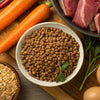
If your dog loves a crunch, carrots and green beans are low-calorie wins. Carrots are rich in beta-carotene, while green beans are filling and packed with vitamins C and K.
- Preparation: While some dogs can digest raw carrots, many benefit from them being lightly steamed or finely chopped. This breaks down the plant's cell walls, making the nutrients easier to absorb.
- Weight Management: We often recommend green beans as a "filler" for dogs who are always acting hungry but need to maintain a strict weight.
Leafy Greens
Spinach and kale can be great additions, but they should be served in moderation. They are high in iron and antioxidants but can be difficult to digest if served raw in large leaves.
- Tip: Try lightly steaming and then mincing greens before stirring them into the kibble. This ensures your dog actually eats them rather than picking them out.
Fruits as a Sweet Supplement
Many dogs have a "sweet tooth" and will go crazy for a bit of fruit. Since fruits contain natural sugars, they should be used more sparingly than vegetables.
- Apples: A crunchy source of Vitamin C and fiber. Always remove the core and seeds, as the seeds contain trace amounts of cyanide.
- Blueberries: Often called a superfood, these are packed with antioxidants that support cognitive function, especially in senior dogs.
- Bananas: High in potassium and vitamins, but also high in sugar. These are best as an occasional treat rather than an everyday topper.
Myth: Dogs are strict carnivores and cannot digest plant matter. Fact: Dogs are actually scavenging omnivores. While they thrive on animal protein, their digestive systems are well-equipped to derive nutrients from fruits and vegetables.
Healthy Fats and Oils
If your dog’s coat looks a little dull or their skin feels dry, the solution might be in the form of healthy fats. These are easy to store and even easier to dispense.
Fish Oil is the gold standard. A small pump of high-quality salmon or pollock oil can transform a dog’s skin health in just a few weeks. It provides the EPA and DHA that processed kibble often lacks.
Coconut Oil and Olive Oil are common pantry alternatives. In small amounts, these can provide a quick energy boost and support skin health. However, because they are 100% fat, you must be very careful with the portion size. A teaspoon is usually plenty for a medium-to-large dog.
When using oils, consistency is vital. Using the mid-century modern feeder helps maintain a steady routine. Because our dispenser holds 25–30 lbs of food in a BPA-free liner, your base kibble stays fresh, allowing the added oils to provide the "fresh" punch of nutrition at the moment of feeding.
Adding Hydration: The "Gravy" Method
One of the simplest things you can add to kibble is moisture. Dry food only contains about 10% moisture, whereas a dog's natural diet would be much higher.
Warm water is the easiest "topper." It softens the kibble, making it easier to chew for senior dogs, and releases the aromas of the food, which can entice a picky eater.
Bone broth is a gourmet upgrade. You can buy dog-safe bone broth or make your own by simmering bones with a bit of apple cider vinegar (and no onions!). It is rich in collagen, which supports gut health and joint integrity.
Goat’s milk or plain kefir. These are excellent sources of probiotics. Unlike cow's milk, which can cause diarrhea in many dogs, goat's milk is often much easier for them to digest and provides a massive boost to their microbiome. If you are also focused on keeping dry food at its best between refills, our guide on how long dry dog food stays fresh covers the storage basics.
Foods to Absolutely Avoid
While many human foods are safe, some are life-threatening. Never add the following to your dog's bowl:
- Onions and Garlic: These can damage a dog's red blood cells.
- Grapes and Raisins: These can cause sudden kidney failure.
- Xylitol: An artificial sweetener found in some peanut butters and yogurts that is highly toxic.
- Chocolate and Caffeine: These affect the heart and nervous system.
- Cooked Bones: Unlike raw bones, cooked bones become brittle and can splinter, causing internal punctures.
How to Introduce New Toppers
If you are ready to start enhancing your dog's meals, do not change everything overnight. A sudden shift in diet is the number one cause of "tummy trouble" in household pets.
Step 1: Pick one ingredient. Choose something simple, like a spoonful of plain yogurt or a few blueberries.
Step 2: Start small. Add just a teaspoon to their regular kibble.
Step 3: Monitor for 24 hours. Look for changes in energy, stool consistency, or gas.
Step 4: Gradually increase. If they handle it well, you can slowly work up to that 10% daily limit.
Step 5: Rotate. Once your dog is used to a few different toppers, you can rotate them throughout the week to provide a wide spectrum of nutrients.
Bottom line: Slow and steady wins the race when it comes to dietary changes. Focus on one new whole food at a time to ensure your dog's digestive system can keep up.
The Role of Consistency and Environment
Adding fresh toppers is a wonderful way to care for your dog, but it works best when the "boring" part of the meal—the kibble—is handled with precision. Consistency in portion size is one of the most important factors in preventing canine obesity. If you want more guidance on keeping dry food fresh and stable, our article on how long dry dog food stays fresh is a helpful companion to this routine.
This is where we believe design meets function. The Houndsy Kibble Dispenser features a standing-height crank mechanism that provides perfect portion control with every turn. There is no more guessing with a plastic scoop or bending over a heavy bag in the pantry. By making the "base" of the meal consistent and easy to manage, you have more mental energy to focus on the fun part: adding those healthy, fresh toppers.
Our dispenser is built to fit into your life. The mid-century modern aesthetic means it can sit proudly in your kitchen or dining room, rather than being hidden away. When your feeding station is a piece of furniture you actually like, the daily ritual of "building" your dog's bowl becomes a much more pleasant experience for everyone involved.
Conclusion
Elevating your dog's kibble does not require a degree in animal nutrition or a massive budget. By simply incorporating small amounts of fresh proteins, colorful vegetables, and healthy fats, you can significantly improve your dog’s quality of life and excitement for mealtime. Remember to follow the 10% rule, introduce new foods slowly, and always steer clear of toxic ingredients like onions and grapes.
We are dedicated to making these daily routines simpler and more beautiful. Whether it is through thoughtful product design or by sharing tips on how to brighten up a bowl of dry food, we want to help you and your dog thrive together. If you want to learn more about the team behind Houndsy, our design-first mission is rooted in that same goal.
Key Takeaway: A healthy dog is built one bowl at a time. Use kibble as your reliable foundation and fresh whole foods as your nutritional "boosters" for a long, happy life together.
If you are ready to upgrade your feeding setup, our 30-day money-back guarantee on the dispenser makes the next step easy.
FAQ
Can I add raw eggs to my dog's kibble every day?
While many dogs handle raw eggs perfectly well, there is a small risk of salmonella and a potential for biotin deficiency if fed in massive quantities over a long period. For most owners, a lightly cooked or hard-boiled egg is the safest way to provide those high-quality proteins and fats without the worry.
How many calories are in the toppers I’m adding?
It varies wildly! A tablespoon of plain pumpkin has only about 5 calories, whereas a tablespoon of peanut butter can have nearly 100 calories. Always check the caloric density of your additions to ensure you stay within the 10% to 25% daily limit and avoid unwanted weight gain.
Is it okay to mix wet canned food with dry kibble?
Yes, mixing wet and dry food is a very common and effective way to increase hydration and palatability. Just be sure to adjust the amount of dry kibble you are feeding to account for the calories in the wet food so your dog maintains a healthy weight.
Should I steam vegetables or serve them raw?
For most vegetables like carrots, broccoli, and green beans, lightly steaming or pureeing them is better. Dogs have shorter digestive tracts than humans and cannot easily break down the tough cellulose in raw plant walls. Cooking or blending helps them actually absorb the vitamins and minerals inside.