How Long Can You Feed a Dog Puppy Food? A Comprehensive Guide to Transitioning to Adult Food
- Houndsy
Table of Contents
- Introduction
- Understanding Puppy Food vs. Adult Dog Food
- When Should You Transition from Puppy Food to Adult Food?
- Signs Your Puppy Is Ready for Adult Food
- How to Transition from Puppy Food to Adult Food
- The Importance of Quality Dog Food
- Common Questions About Feeding Puppy Food
- Conclusion
- FAQ Section
Introduction
Have you ever felt the overwhelming joy of bringing home a tiny, wagging bundle of fur, only to find yourself inundated with questions about their care? One of the more pressing ones might be, "How long can I feed my dog puppy food?" It’s a question that carries significant weight in terms of your puppy’s health and development. In fact, according to a survey by the Association for Pet Obesity Prevention, 61% of dogs in the U.S. are considered overweight or obese, often due to incorrect feeding practices.
Understanding when to switch from puppy food to adult dog food is a crucial yet often overlooked aspect of canine care. This decision has lasting implications for your dog's growth, health, and overall well-being. Our goal with this post is to demystify this essential transition. By the end, you'll be equipped with the knowledge to navigate your puppy’s dietary needs based on age, breed size, and activity level—ensuring a smooth transition to adult food.
We’ll explore the factors that determine when to make the switch, the differences between puppy and adult dog food, and tips for a successful transition. So as you ponder your own pet feeding routine, let’s dive into this invaluable topic that impacts both our beloved puppies and their devoted pet parents.
Understanding Puppy Food vs. Adult Dog Food
Puppy food is specifically formulated to meet the elevated nutritional needs of a growing dog. It contains higher levels of protein, fats, calcium, and essential vitamins compared to adult dog food. These components support crucial developmental stages in a puppy’s growth—with larger amounts of nutrients fostering healthy muscle development, bone growth, and overall energy levels.
Nutritional Differences
- Protein: Puppy food typically has around 22% to 32% protein content, essential for muscle growth, while adult food contains 18% to 22%.
- Fats: Puppy diets include higher fat levels (around 8% to 20%) to meet their energetic needs. In contrast, adult dog food has lower fat content to prevent obesity.
- Minerals: Puppy foods contain elevated levels of calcium and phosphorus to encourage healthy bone development, while adult formulas are tailored for sustainability.
- Calories: Due to their active lifestyles, puppies need more calorically dense foods than adults. Adult dogs typically require fewer calories as their metabolism slows.
Understanding these nutritional differences is vital. Feeding puppy food to a mature dog can lead to undesirable weight gain, contributing to health complications like joint issues and obesity. Conversely, switching a puppy to adult food too soon may hinder their growth or deprive them of essential nutrients.
When Should You Transition from Puppy Food to Adult Food?
The timing of switching a puppy to adult food largely depends on the dog's breed and size. Small breeds mature faster than large breeds, and understanding the growth patterns of your particular breed is crucial.
Puppy Development Timeline by Breed Size
-
Small Breeds (Under 25 Pounds)
- Maturity Age: 10–12 months
- Transition Age: 9–10 months
- Examples: Chihuahua, Dachshund, Pomeranian
-
Medium Breeds (25–50 Pounds)
- Maturity Age: 12–14 months
- Transition Age: 12 months
- Examples: Beagle, Border Collie, Bulldog
-
Large and Giant Breeds (Over 50 Pounds)
- Maturity Age: 18–24 months
- Transition Age: 14–24 months (depending on the specific breed)
- Examples: Golden Retriever, Great Dane, Mastiff
Knowing your dog's size category can help you gauge the right time for the transition. If your puppy has been spayed or neutered, it may alter their caloric needs, meaning you should consult with your vet for personalized advice.
The Role of Activity Level
An active puppy may stay on a puppy diet longer than a less energetic counterpart due to their elevated need for specific nutrients. High-energy breeds or puppies that are particularly active may benefit from remaining on puppy food until they reach full maturity.
Signs Your Puppy Is Ready for Adult Food
Keep an eye out for indicators that your puppy is ready to transition. Alongside reaching the appropriate age, the following signals can help you determine if it’s time to switch:
- Growth Rate Stabilization: When your puppy is no longer gaining weight as rapidly or is nearing their expected adult size.
- Decreased Appetite: A sudden decrease in interest in meals could indicate readiness for a change.
- Physical Changes: When you notice them starting to physically mature, such as losing the "puppy fat."
If you're unsure, don't hesitate to consult your family veterinarian for advice tailored to your puppy.
How to Transition from Puppy Food to Adult Food
Transitioning your puppy to adult dog food shouldn’t be abrupt. A gradual approach allows your puppy’s digestive system to adjust without causing gastrointestinal disturbances such as diarrhea or vomiting.
Gradual Transition Plan
- Days 1-2: Mix 75% puppy food and 25% adult food.
- Days 3-4: Serve 50% puppy food and 50% adult food.
- Days 5-7: Adjust to 25% puppy food and 75% adult food.
- Days 8-10: Serve only adult food.
Ensure you monitor your puppy closely during each phase. If any digestive issues arise, slow down the transition or seek veterinary guidance.
Portion Control
When switching to adult dog food, be mindful of portion sizes. Adult dogs typically move from three meals a day to two, and the quantity of food should reflect their decreased caloric needs. Always refer to the feeding guidelines provided on the dog food packaging and consult your veterinarian for specific advice tailored to your dog’s breed, size, and age.
The Importance of Quality Dog Food
As with any pet product, the quality of the food you're providing has a direct effect on your dog's health. You’ll want to buy adult dog food that meets the Association of American Feed Control Officials (AAFCO) standards, ensuring it’s balanced for adult nutrition.
Choosing the Right Brand
Look for reputable brands that use high-quality ingredients and provide comprehensive nutrient profiles. Some brands to consider include:
- Hill’s Science Diet
- Royal Canin
- Purina Pro Plan
- Blue Buffalo
By investing in a quality product, you’re taking a crucial step in ensuring your dog remains healthy, vibrant, and content.
Common Questions About Feeding Puppy Food
Can I Feed Adult Dogs Puppy Food?
Generally, it's not advisable to feed adult dogs puppy food as it can lead to obesity and related health issues due to its high calorie and nutrient density.
What Happens if I Switch Too Early or Too Late?
Switching too early may deprive your puppy of crucial nutrients, which can affect their growth. However, prolonging the use of puppy food beyond maturity can lay the groundwork for obesity and associated health complications.
How Do I Know If My Dog is Overweight?
Regularly monitor your dog’s body condition score (BCS). You should be able to feel their ribs without excessive fat covering, and they should have a noticeable waist when viewed from above.
Do All Dogs Need to Transition to Adult Pizza?
While most dogs will require a transition to adult food, factors like spaying or neutering and high activity levels can alter when and how a dog might remain on puppy food.
Conclusion
Navigating the world of dog nutrition can initially appear complex, especially regarding understanding how long to feed puppy food. But arming ourselves with the right knowledge allows us to make informed decisions for our furry companions’ health.
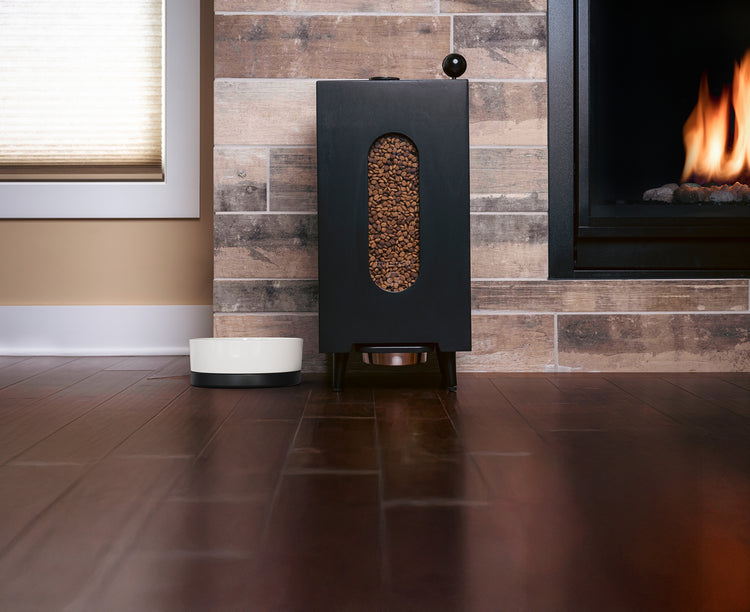
Remember to consider your puppy's breed, size, and activity level in determining when to make the transition to adult food. With the right approach, you’ll ensure your puppy enjoys a healthy, balanced diet that supports their growth. As you continue this journey of pet parenthood, consider enhancing your feeding experience with the Houndsy Kibble Dispenser, designed to streamline portion control while keeping your home stylish and mess-free. You can check it out here.
FAQ Section
Q: Can puppy food give my adult dog diarrhea?
A: Yes, feeding puppy food to adult dogs can lead to digestive upset due to its rich nutrient profile and high caloric density.
Q: Can a puppy eat adult dog food?
A: No, puppies have different nutritional needs than adult dogs and should be fed a diet specifically formulated for their growth stage.
Q: When should I consult my vet about my dog's diet?
A: Regular veterinary check-ups are recommended, especially during developmental stages, to evaluate dietary needs and adjust accordingly.
By paying close attention to your dog's needs and making informed choices about their nutrition, you can help them thrive throughout their life stages. Remember, our mission at Houndsy is to enhance the pet feeding experience profoundly; always feel free to reach out if you have questions or need personalized guidance!