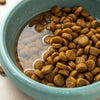
How to Mix Dry and Wet Dog Food for a Better Mealtime
- Houndsy
Table of Contents
- Introduction
- The Benefits of a Mixed Diet
- Finding the Right Ratio
- How to Transition Your Dog to a Mixed Diet
- Best Practices for Serving and Storage
- Common Mistakes to Avoid
- Adapting the Mix for Different Life Stages
- Consistency is the Key to Success
- Integrating Design into the Feeding Ritual
- Summary of Best Practices
- Conclusion
- FAQ
Introduction
You’ve likely stood over your dog’s bowl, wondering why they are suddenly snubbing the premium kibble they loved just last week. Maybe you’ve noticed they aren’t drinking as much water as they should, or perhaps you simply want to make their daily routine a bit more special. These are the moments when many of us consider "mixed feeding," the practice of combining dry and wet food to create a more enticing and nutritionally diverse meal.
At Houndsy, we believe that feeding your dog should be a highlight of their day, as well as yours. If you’re looking for a more consistent dry-food base, the Houndsy Kibble Dispenser is built for that role. This guide covers everything you need to know about how to mix dry and wet dog food, from calculating the right portions to ensuring the transition is easy on your dog’s stomach. By the end, you will have a clear plan for elevating your dog's diet while keeping your kitchen routine simple and organized.
Quick Answer: To mix dry and wet food properly, calculate the total daily calories your dog needs and split them between the two types. A common starting ratio is 75% calories from dry kibble and 25% from wet food, introduced gradually over seven days.
The Benefits of a Mixed Diet
Many dog owners find that a combination of textures and aromas can transform a bored eater into an enthusiastic one. If you want another angle on the topic, our guide to mixing dry and wet dog food walks through the same idea in a simple, practical way. While dry kibble is highly convenient and calorie-dense, wet food offers unique benefits that complement the crunch.
Enhanced Palatability for Picky Eaters
Wet food is often much more fragrant than dry kibble. For dogs, their sense of smell is a massive part of how they experience flavor. By adding a dollop of wet food, you release savory aromas that can entice even the most stubborn seniors or picky pups. This is especially helpful if your dog has a diminished sense of smell due to age or seasonal allergies.
Increased Hydration
One of the most significant advantages of wet food is its moisture content. Most dry kibble contains only about 10% water, whereas wet food can be up to 80% water. This extra hydration is excellent for supporting kidney function and urinary tract health. If your dog isn't a big fan of the water bowl, mixing in wet food is an easy way to sneak more fluids into their day.
Dental and Digestive Balance
Kibble provides a satisfying crunch that can help mechanically scrape some plaque from the teeth. On the other hand, wet food is much easier to chew and swallow, making it ideal for dogs with dental sensitivities. By mixing the two, you provide the "best of both worlds"—the dental benefits of dry food and the digestive ease of wet food.
Finding the Right Ratio
When you decide to mix foods, you cannot simply add a can of wet food on top of your dog's regular portion of kibble. Doing so is a fast track to unintended weight gain. Instead, you need to view the meal as a single caloric unit.
Why Calories Matter More Than Volume
A cup of kibble is significantly more calorie-dense than a cup of wet food because the water in wet food takes up space without adding energy. This means you cannot swap them one-for-one by volume. If you replace half a cup of kibble with half a cup of wet food, your dog will likely be eating far fewer calories than they need.
Key Takeaway: Always check the calorie count (kcal) on both the kibble bag and the wet food can to ensure you are maintaining your dog’s ideal daily intake.
The 75/25 Rule
A popular starting point for many households is to provide 75% of the daily calories from dry kibble and 25% from wet food. This keeps the meal cost-effective and provides enough kibble to maintain that dental-friendly crunch.
When managing the dry portion of this ratio, precision is your best friend. Our perfect-portion feeder makes this easy by providing a consistent amount of kibble every time, allowing you to add your wet topper with total confidence in the total calorie count.
| Dog Weight | Total Daily Calories (Approx) | 75% Kibble Calories | 25% Wet Food Calories |
|---|---|---|---|
| 10 lbs | 300 - 400 | 225 - 300 | 75 - 100 |
| 30 lbs | 700 - 900 | 525 - 675 | 175 - 225 |
| 50 lbs | 1,100 - 1,300 | 825 - 975 | 275 - 325 |
| 70 lbs | 1,500 - 1,700 | 1,125 - 1,275 | 375 - 425 |
How to Transition Your Dog to a Mixed Diet
Abrupt changes in diet are the leading cause of upset stomachs in dogs. Even if you are staying within the same brand of food, the difference in protein concentration and moisture can lead to digestive issues if introduced too quickly.
Step 1: Consult your veterinarian. Before making any changes, ensure your dog doesn't have underlying health conditions that require a specific type of diet, such as a therapeutic food for kidney or skin sensitivities.
Step 2: Start with a "topper" approach. On day one, replace only about 10% of the dry food calories with wet food. If you want a fuller breakdown of the process, our balanced-bowl guide to mixed feeding covers the transition in more detail. Observe your dog’s stool and energy levels for 24 hours.
Step 3: Gradually increase the wet food. Over the next six days, slowly increase the amount of wet food while decreasing the kibble proportionally. By day seven, you should be at your desired 75/25 or 50/50 ratio.
Step 4: Monitor and adjust. Every dog is an individual. If your dog experiences loose stools, slow the transition down and give their gut microbiome more time to adjust to the higher moisture content.
Best Practices for Serving and Storage
Mixing wet and dry food introduces some new logistics to your kitchen routine. If you want a deeper look at handling and cleanup, a complete wet-and-dry feeding guide is a helpful next step. Unlike dry kibble, which can sit in a bowl for a few hours without issue, wet food is highly perishable.
The 30-Minute Rule
Once wet food is mixed with kibble, the clock starts ticking. For a closer look at storing kibble in larger quantities, how many cups fit in a 30-lb bag of dog food is a useful reference. The moisture in the wet food begins to soften the kibble, and at room temperature, bacteria can begin to grow quite quickly. We recommend picking up any uneaten food after 30 minutes. If your dog is a "grazer" who likes to snack throughout the day, mixed feeding might require you to change their schedule to set mealtimes.
Proper Storage of Leftovers
Unless you have a very large dog, a single can of wet food will likely last for two or three meals. Always transfer any leftover wet food to a glass or BPA-free plastic container with a tight lid and refrigerate it immediately. Most wet food stays fresh in the fridge for about three to five days.
When it comes to the dry portion of the meal, freshness is just as vital. This mid-century modern feeder was designed with a BPA-free liner specifically to keep your bulk kibble fresh and protected from the air. This ensures that even when you are mixing in wet food, the dry base of the meal remains crisp and flavorful, preventing the "stale" smell that can often plague open bags of dog food.
Myth: You can leave mixed food out all day like regular kibble. Fact: Wet food spoils rapidly at room temperature. Any mixed meal not eaten within 30 to 60 minutes should be discarded to avoid bacterial growth.
Common Mistakes to Avoid
Even with the best intentions, it is easy to fall into a few common traps when learning how to mix dry and wet dog food.
1. Overfeeding
The most frequent mistake is adding wet food as a "treat" without subtracting the equivalent calories from the dry food. Over time, even an extra 100 calories a day can lead to significant weight gain, which puts unnecessary strain on your dog’s joints. Always use a consistent measuring method for your kibble and a kitchen scale or measuring spoon for your wet food.
2. Mixing Incompatible Diets
If your dog is on a therapeutic or prescription diet for a medical condition, you should generally only mix it with the canned version of that exact same prescription diet. Mixing a therapeutic kibble with a standard "grocery store" wet food can dilute the active ingredients in the prescription diet and potentially negate its health benefits.
3. Neglecting Bowl Hygiene
Wet food leaves behind a sticky residue that kibble does not. If you don't wash your dog's bowl thoroughly after every mixed meal, that residue can harbor bacteria and mold. Stainless steel or ceramic bowls are usually the best choices for mixed feeding as they are non-porous and easy to sanitize in the dishwasher.
Bottom line: Success in mixed feeding comes down to caloric consistency, gradual introduction, and strict hygiene.
Adapting the Mix for Different Life Stages
Your dog’s nutritional needs will change as they grow, and your mixing strategy should reflect those changes.
Puppies
Puppies have very high energy requirements but small stomachs. Mixing wet food with their kibble can make the transition from milk to solid food much easier. For puppies, you might lean toward a higher percentage of wet food to ensure they are getting enough calories and hydration during their rapid growth phases.
Seniors
As dogs age, they may develop dental problems or a decreased appetite. A senior dog who has become thin or uninterested in food can often be revitalized by a warm, aromatic mix of wet and dry food. In some cases, adding a splash of warm water to the mix can further enhance the scent and make the texture even softer for sensitive gums.
Weight Management
If your dog needs to lose a few pounds, wet food can actually be a secret weapon. Because wet food is high in water and protein, it can help a dog feel full more quickly than dry kibble alone. By mixing a high-fiber wet food with a controlled portion of kibble, you can help your dog feel satisfied while consuming fewer total calories.
Consistency is the Key to Success
Dogs thrive on routine. Their digestive systems, in particular, are much more efficient when they know exactly what—and when—they are eating. One of the challenges of mixed feeding is maintaining that consistency every single morning and evening.
Our standing-height crank dispenser was created to solve this specific frustration. By removing the need to bend down, scoop, and level off bags of food, we’ve made it simple to dispense the exact amount of kibble you need in seconds. This consistency helps you maintain your dog's weight and ensures that the "base" of their mixed meal is always the same, making it much easier to manage the variable of the wet food topper.
The Houndsy Kibble Dispenser also features an auto-locking mechanism. This is a vital safety feature for households where a curious dog might be tempted by the delicious smell of a freshly opened can of wet food. It keeps the bulk of your dry food safe and secure, preventing accidental overfeeding or "midnight snacks" that can derail a healthy diet.
Integrating Design into the Feeding Ritual
We believe that your dog’s feeding station should not be something you feel the need to hide in a laundry room or a utility closet. Most traditional pet products are made of cheap plastics and bright, clashing colors that don't fit the aesthetic of a modern home.
When you transition to a mixed feeding routine, you might find yourself spending more time in the kitchen preparing meals. This ritual should be a pleasant experience for you, too. Our About Us page shares the design-first thinking behind the brand and the reason we care so much about elevating everyday feeding.
A well-designed feeding station is more than just a piece of furniture; it is a commitment to a consistent lifestyle. When your tools are beautiful and easy to use, maintaining a complex feeding routine like mixing wet and dry food feels less like a chore and more like a natural part of your day.
Summary of Best Practices
If you are ready to start mixing, keep these core principles in mind to ensure your dog stays healthy and happy:
- Calculate the calories: Don't guess; use the kcal information on the packaging.
- Transition slowly: Give the digestive system seven days to adapt.
- Keep it fresh: Store wet food in the fridge and kibble in a sealed, BPA-free container.
- Clean the bowl: Wash after every single meal to prevent bacterial growth.
- Monitor weight: Adjust the portions if you notice your dog gaining or losing weight.
Key Takeaway: Mixed feeding is an excellent way to improve your dog's hydration and mealtime excitement, provided you maintain strict portion control and hygiene.
Conclusion
Mixing dry and wet dog food is more than just a way to spoil your pet—it is a practical approach to better nutrition and hydration. By understanding the caloric balance and following a gradual transition, you can provide a mealtime experience that your dog will look forward to every day.
Our mission at Houndsy is to simplify and elevate this experience for both of you. We want to take the guesswork and the mess out of the equation so you can focus on the bond you share with your dog. With its refined design and precise portion control, the Houndsy dispenser is built to make your new feeding routine as consistent as it is beautiful.
If you're ready to upgrade your dog's mealtime, we invite you to try our dispenser in your home. We offer a 30-day risk-free guarantee and financing options, so you can see firsthand how much easier and more elegant your daily routine can become.
Better feeding is within reach, and it starts with a simple turn of a crank.
FAQ
Can I mix any brand of wet food with my dog's dry food?
Generally, yes, as long as both foods are "complete and balanced" according to AAFCO standards. However, if your dog is on a specific prescription diet for a health condition, you should stick to the canned version of that same prescription formula to ensure you don't interfere with their treatment. Always introduce any new brand gradually to avoid stomach upset.
How do I calculate how much to take out of the dry portion?
You need to look at the calories (kcal) per cup for the dry food and per can (or ounce) for the wet food. If you want to add 100 calories of wet food, find out what volume of dry food equals 100 calories and remove that exact amount. This ensures your dog’s total daily caloric intake remains the same.
Is it okay to leave mixed food out for a few hours?
No, it is not recommended to leave mixed food out for more than 30 to 60 minutes. The high moisture content in wet food makes it a breeding ground for bacteria once it is exposed to the air at room temperature. Additionally, the wet food will make the dry kibble soggy and unappealing if left to sit for too long.
Does mixing wet food cause more dental problems?
While wet food doesn't provide the "scraping" action that kibble does, mixing the two doesn't necessarily cause more dental issues than a dry-only diet. The key to dental health is regular veterinary cleanings and at-home brushing. As long as you are maintaining a portion of kibble in the mix, your dog will still get some mechanical benefit from chewing.