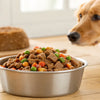
How to Turn Dry Dog Food Into Wet Dog Food
- Houndsy
Table of Contents
- Introduction
- Why the Transformation Matters
- The Best Methods to Soften Kibble
- Managing the Routine with Consistency
- Safety Considerations and Storage
- Making it a Sustainable Habit
- Conclusion
- FAQ
Introduction
You have likely stood over your dog’s bowl at least once, watching them nudge a piece of dry kibble around with their nose, wondering if there is a better way to make mealtime more enticing. Whether your dog is recovering from a dental procedure, struggling with a lack of appetite, or simply aging into a stage where crunchy textures are no longer comfortable, the daily feeding routine can sometimes feel like a chore for both of you. At Houndsy, we are dedicated to making every part of the feeding experience feel more thoughtful and less like a utility task, and the Houndsy Kibble Dispenser is built for that kind of routine.
Turning dry kibble into a soft, wet-food consistency is one of the most effective ways to support your dog’s health while making their meals feel like a special treat. This process is about more than just adding water; it is about unlocking aromas, easing digestion, and ensuring your dog stays hydrated throughout the day. This article will walk you through the most effective methods to transform your dog's dry food into a delicious, moist meal that fits perfectly into a well-designed home routine.
Quick Answer: The most effective way to turn dry food into wet food is to mix equal parts kibble and warm water, allowing it to soak for 20 to 30 minutes. Once the kibble has expanded and softened, you can mash it with a fork to reach your desired consistency.
Why the Transformation Matters
The decision to moisten dry dog food often stems from a specific need, but many dog owners find that the benefits are so significant they make it a permanent part of their routine. Understanding why this change is helpful can help you decide which method is best for your specific situation.
Improving Dental Comfort
As dogs age, their teeth and gums can become more sensitive. Cracking hard kibble requires a significant amount of force, which can be painful for senior dogs or those with underlying dental issues. By softening the food, you remove the mechanical barrier to eating. This ensures that your dog continues to get the nutrition they need without the physical discomfort of the "crunch."
Increasing Hydration
Many dogs, particularly certain breeds or those on strictly dry diets, do not drink enough water from their bowls to stay optimally hydrated. Adding moisture directly to their food is a proactive way to support kidney function and urinary tract health. When you turn dry food into wet food, the kibble acts like a sponge, delivering a significant amount of hydration that your dog might otherwise miss.
Enhancing Aroma and Palatability
A dog's sense of smell is their primary way of experiencing the world—and their dinner. Dry kibble is designed to be shelf-stable, which means its aroma is often "locked in" until it is moistened. Adding warm liquid releases the fats and scents within the food, making it much more enticing for serving dry dog food in a way that encourages picky eaters to dig in.
Aiding Digestion and Satiety
When a dog eats dry kibble, the food must first absorb fluids in the stomach before it can be properly broken down. This can sometimes lead to gas or discomfort as the kibble expands inside the gut. Pre-soaking the food essentially starts the "digestion" process early. Furthermore, the added volume from the water helps your dog feel fuller for longer, which can be a useful tool for weight management.
Key Takeaway: Moistening kibble is a multi-purpose tool that improves hydration, eases the mechanical stress of eating, and makes meals significantly more appetizing for reluctant eaters.
The Best Methods to Soften Kibble
Transforming the texture of your dog's food does not require a culinary degree, but a little patience goes a long way. Depending on how much time you have and your dog's specific preferences, you can choose from several different techniques.
The Warm Water Soak
This is the standard approach used by most dog owners. It is simple, cost-effective, and highly reliable.
Step 1: Portion your kibble. / Use your usual measurement of dry food. Using the Houndsy Kibble Dispenser ensures you start with a consistent portion every single time, which is vital when you are trying to find the perfect ratio of food to liquid.
Step 2: Add warm water. / Use a 1:1 ratio—one cup of water for every one cup of kibble. The water should be warm to the touch, not boiling, as extreme heat can degrade some of the heat-sensitive vitamins added to high-quality dog foods.
Step 3: Wait and absorb. / Let the bowl sit for at least 20 to 30 minutes. You will notice the kibble pieces growing in size as they soak up the liquid.
Step 4: Mash or serve. / If your dog just needs a softer crunch, you can serve it as is. If you need a true wet-food consistency, use a fork or potato masher to break the kibble down into a thick pate.
The Flavor-Boosted Broth Method
If your dog is particularly picky, replacing water with a dog-safe broth can make the meal irresistible.
- Low-Sodium Options: Only use broths that are specifically labeled as low-sodium and contain no onions or garlic, which are toxic to dogs.
- Bone Broth: Real bone broth is packed with collagen and amino acids that support joint health, making it an excellent liquid choice for active or aging dogs.
- Temperature Matters: Like water, broth should be warmed slightly to help it penetrate the hard outer shell of the kibble more quickly.
The Blender Technique
For dogs who need a completely smooth texture—perhaps due to recent surgery or severe dental loss—the blender is your best friend.
- Follow the soaking method above until the kibble is fully saturated.
- Transfer the mixture into a blender or food processor.
- Add an extra splash of liquid if needed to help the blades move.
- Pulse until the mixture reaches the consistency of canned mousse or thick gravy.
The "Quick Fix" Microwave Method
If you are in a rush, you can speed up the absorption process with a little bit of heat.
- Combine the kibble and water in a microwave-safe bowl.
- Heat for 30 to 45 seconds.
- Let it sit for 5 minutes. The heat helps the water molecules move faster and penetrate the kibble more deeply in a shorter amount of time.
- Critical Safety Check: Always stir the food and test the temperature with your finger before serving to ensure there are no "hot spots" that could burn your dog's mouth.
Managing the Routine with Consistency
While the process of making wet food is simple, maintaining the habit requires a bit of organization. Consistency is the foundation of a healthy dog, and having the right tools in your kitchen makes it easier to stick to the plan.
Bolded lead sentences help you scan for the most important parts of a routine. Using a high-quality storage system like our kibble dispenser allows you to keep your bulk dry food fresh in its BPA-free liner while you focus on preparing individual moist meals. Because our dispenser holds 25–30 lbs of food, you won't find yourself running to the store every few days, even if the "wet" version of the meal looks much larger in the bowl.
Maintaining a standing-height workspace is another way to make this process feel less like a chore. The standing-height feeder on our dispenser means you don't have to bend down to the floor to get the base ingredients for your dog's "stew." You can dispense the perfect amount directly into a bowl on your counter, add your liquids, and let it soak while you go about your morning.
| Feature | Benefit for Moistening Food |
|---|---|
| Portion Control | Ensures the water-to-kibble ratio is consistent every day. |
| BPA-Free Liner | Keeps the dry food fresh so it absorbs liquid more predictably. |
| Standing Height | Makes it easier to prep "wet" meals on the counter without bending. |
| Aesthetic Design | Complements your kitchen while you perform "chef" duties for your dog. |
Safety Considerations and Storage
When you turn dry food into wet food, you are essentially creating a fresh product with a very limited shelf life. Dry kibble can sit in a bowl for hours without much worry, but once you add moisture, the rules change, which is why how much kibble to feed your dog is worth keeping in mind as part of the bigger routine.
The One-Hour Rule
Bacteria love moisture and warmth. Once you have added water or broth to your dog’s food, it should not sit out at room temperature for more than an hour. If your dog is a "grazer" who likes to take a few bites and come back later, you may need to adjust their feeding style. Encourage them to eat the moistened meal in one sitting.
Refrigeration and Meal Prep
You can prepare moistened kibble in batches, but you must treat it like fresh meat or cooked leftovers. If you want to prep a day’s worth of meals in the morning, keep the portions in airtight containers in the refrigerator. Cold moistened food might lose some of its aromatic appeal, so you may want to add a tiny splash of warm water right before serving to "wake up" the scents again.
Quality of Ingredients
When you turn dry food into wet food, you are also diluting the preservatives found in the dry kibble. This is generally a good thing for your dog's health, but it means the food will spoil quickly. Always use filtered water or high-quality, salt-free broths to ensure you aren't adding unnecessary chemicals or sodium to their diet.
Myth: Moistening food causes dental rot because it doesn't "scrub" the teeth like dry kibble. Fact: Most dogs swallow kibble whole or in large chunks, providing very little "scrubbing" action. The best way to prevent dental issues is through regular brushing and professional cleanings, not relying on the texture of dry food.
Making it a Sustainable Habit
If you are transitioning to this feeding style long-term, think about how it fits into your home's aesthetic and your daily flow. Many pet owners find that the extra 20 minutes of soaking time is the perfect window to enjoy their own morning coffee or prepare their own dinner, and feeding the same food every day is a useful read on routine.
Transitioning Slowly
If your dog has a sensitive stomach, don't switch from "bone-dry" to "soup-consistency" overnight. Start by adding just a tablespoon or two of water to their meal. Over the course of a week, gradually increase the amount of liquid until you reach the desired consistency. This gives their digestive system time to adjust to the increased hydration and volume.
Monitoring Weight
Because moistened food expands, the bowl will look much fuller than it did when the food was dry. It is easy to accidentally underfeed because the volume looks "right," or overfeed because the dog seems to want more. This is where the Houndsy dispenser becomes a lifesaver. By using a consistent crank-to-portion ratio, you know exactly how many calories are in that bowl, regardless of how much water you've added to it.
Bottom line: Turning dry food into wet is a simple, effective way to improve your dog's quality of life, provided you maintain strict hygiene and consistent portioning.
Conclusion
Elevating your dog's mealtime from a quick crunch to a hydrated, aromatic experience is a small change that yields big results. By following the simple steps of soaking, mashing, or blending, you can solve many common feeding frustrations, from pickiness to dental discomfort. At Houndsy, we believe that these rituals of care are what make the bond between dog and owner so special. We strive to make those rituals as consistent and beautiful as possible, and our mission to simplify and elevate dog feeding reflects that philosophy.
If you are ready to simplify your new "wet food" prep routine, the Houndsy Kibble Dispenser is here to help you start every meal with precision and style.
With our 30-day money-back guarantee, you can see for yourself how a more consistent feeding routine improves your dog's day—and yours.
FAQ
How long can I leave moistened dog food in the bowl?
You should not leave moistened dog food out at room temperature for more than 60 minutes. Because of the high moisture content and protein levels, it can quickly become a breeding ground for bacteria, so it is best to discard any leftovers that aren't eaten immediately.
Does soaking kibble in water make it lose its nutrients?
No, soaking kibble does not remove its nutritional value, as the dog will still consume the liquid along with the softened food. However, you should avoid using boiling water, as extreme heat can sometimes damage specific vitamins and probiotics that are sprayed onto the kibble after the baking process.
Can I turn dry food into wet food for a puppy?
Yes, this is actually a very common practice for puppies transitioning from milk to solid food. Softening the kibble makes it much easier for their small teeth to manage and helps ensure they stay hydrated during their rapid growth phases, and wetting a puppy's dry food can help you decide how to approach it.
Should I use cold or warm water to soak the food?
Warm water is generally better because it penetrates the hard surface of the kibble much faster than cold water. It also helps release the natural oils and aromas in the food, which makes the meal much more enticing for your dog.