Is Fresh Food or Kibble Better for Dogs?
- Houndsy
Table of Contents
- Introduction
- Understanding the Core Differences
- The Nutritional Breakdown
- Convenience and Lifestyle Logistics
- Comparing Costs
- Dental Health and Palatability
- Safety and Risks
- How to Choose for Your Dog
- The Best of Both Worlds: Mixed Feeding
- Making the Feeding Ritual Beautiful
- Conclusion
- FAQ
Introduction
The daily ritual of feeding our dogs is one of the most consistent ways we show them love. We stand in the kitchen, bowl in hand, as our companions offer a wagging tail or a focused, expectant gaze. But lately, that simple ritual has become a source of stress for many pet owners. The explosion of fresh food subscriptions has left many of us wondering if the trusty bag of kibble we have relied on for years is still the best choice.
At Houndsy, we spend a lot of time thinking about the feeding experience behind the Houndsy Kibble Dispenser. We know that choice fatigue is real, especially when you are balancing your dog’s health with the realities of a busy lifestyle and a home you take pride in. The debate between fresh food and kibble is not just about ingredients; it is about nutrition, convenience, cost, and how these choices fit into your daily routine.
In this article, we will break down the essential differences between fresh food and kibble. We will look at digestibility, the logistical hurdles of storage, and how to maintain a consistent routine. Our goal is to help you decide which path is right for your dog and your home.
Quick Answer: Whether fresh food or kibble is "better" depends on your dog's specific health needs and your lifestyle. Fresh food offers high moisture and digestibility, while high-quality kibble provides balanced nutrition, significant cost savings, and unmatched convenience for storage and feeding.
Understanding the Core Differences
Before we can choose a winner, we need to understand exactly what we are comparing. The terms "fresh" and "kibble" describe how the food is processed, stored, and served, but the nutritional quality can vary wildly within both categories.
What is Fresh Dog Food?
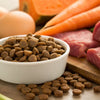
Fresh dog food is typically made with whole-food ingredients like lean meats, vegetables, and grains. These ingredients are gently cooked at lower temperatures than traditional kibble to preserve nutrients and moisture. Because it lacks heavy preservatives, it is not shelf-stable. It must be kept in the refrigerator or freezer, much like our own groceries.
What is Kibble?
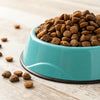
Kibble is the most common form of dog food, created through a process called extrusion. Ingredients are mixed, cooked under high pressure, and dried into the crunchy bites we recognize. This process makes kibble shelf-stable and easy to handle. While some lower-quality brands rely on fillers, premium kibbles use high-quality proteins and are fortified with essential vitamins and minerals to provide a complete, balanced diet.
The Nutritional Breakdown
Many dog owners assume that less processing automatically means better health. While there is some truth to the idea that minimal heat helps preserve certain vitamins, the reality is more nuanced. Both formats can provide everything a dog needs to thrive if they meet the standards set by the Association of American Feed Control Officials (AAFCO).
Digestibility and Bioavailability
Studies often show that fresh dog food is more digestible than standard kibble. Because fresh food contains higher moisture and whole ingredients, the body can sometimes break it down and absorb the nutrients more efficiently. For many owners, the most visible sign of this is smaller, firmer stools. When the body uses more of the food, there is less waste to pick up in the yard.
The Role of Moisture
Hydration is a major advantage for the fresh food category. Most fresh diets are about 70% to 80% water. This is particularly beneficial for dogs who do not drink enough water on their own or those with a history of urinary tract or kidney issues. Kibble, by contrast, is usually around 10% moisture. While kibble-fed dogs typically drink more water to compensate, fresh food builds that hydration directly into the meal.
Caloric Density
Kibble is significantly more calorically dense than fresh food. Because the water has been removed, a small volume of kibble packs a lot of energy. This makes it easier to feed large breeds or highly active working dogs without requiring them to eat massive volumes of food. Fresh food requires larger portions to meet the same caloric needs, which is something to consider if you have limited storage space.
Convenience and Lifestyle Logistics
The best diet in the world is only effective if you can maintain it consistently. This is where the two formats diverge most sharply. For many, the choice is not just about what is in the bowl, but how that bowl gets filled every morning.
Storage and Space
Storing fresh food requires a significant commitment of refrigerator or freezer space. If you have a large dog, a week's worth of fresh meals can easily take up a whole shelf in your fridge. For people living in apartments or those who enjoy a minimalist kitchen, this can be a real frustration. You also have to remember to thaw the next day’s meals in advance, adding another step to your mental load.
Kibble offers a much simpler storage solution. It is shelf-stable and can be kept in bulk, meaning fewer trips to the store or fewer delivery boxes piling up at your door. For a closer look at how long dry dog food lasts in a container, see our storage guide.
We created the Houndsy Kibble Dispenser to solve exactly this problem. It features a BPA-free liner that keeps up to 30 lbs of kibble fresh, protecting the fats from turning rancid. By turning a bag of food into a design-forward piece of furniture, we ensure that the convenience of kibble does not have to come at the expense of your home’s aesthetic.
The Ease of Feeding
Feeding fresh food is often a multi-step process. You have to open a pouch, scoop the wet food, and often clean the bowl more thoroughly after every meal to prevent bacteria growth. It is also difficult to leave fresh food out for "grazers," as it can spoil if left at room temperature for more than an hour or two.
Kibble is built for efficiency. It is clean to handle and easy to portion. For a deeper look at how to feed kibble to dogs, this is where a simple routine matters most. This consistency is vital for maintaining a healthy weight, as even a small over-scoop every day can lead to weight gain over time.
Key Takeaway: Kibble wins on convenience and storage, while fresh food wins on hydration and palatability. Choosing the "better" option often comes down to how much time and kitchen space you can realistically dedicate to meal prep.
Comparing Costs
It is no secret that fresh dog food is more expensive. For some owners, the cost is the deciding factor.
| Factor | Fresh Dog Food | Premium Kibble |
|---|---|---|
| Average Cost (per 100 kcal) | ~$1.40 | ~$0.25 - $0.40 |
| Weekly Cost (50lb Dog) | $70 - $100 | $15 - $25 |
| Delivery Fees | Often included in subscription | Varies by retailer |
| Equipment Needs | Fridge/Freezer space | Airtight storage container |
The price gap between the two is substantial. Over a year, feeding a medium-sized dog fresh food can cost thousands of dollars more than feeding high-quality kibble. While many people view this as an investment in long-term health, it is important to remember that a premium, high-protein kibble still provides excellent nutrition at a fraction of the price.
Dental Health and Palatability
The sensory experience of eating is where the fresh vs. kibble debate gets interesting. Dogs, much like humans, have preferences for texture and aroma.
Does Kibble Actually Clean Teeth?
Myth: Feeding kibble is just like brushing your dog's teeth. Fact: While the crunch of kibble can help scrape away some surface plaque, it is not a substitute for dental care. Most dogs swallow kibble pieces whole or break them only once, which does not provide enough friction to prevent gum disease.
Fresh food is soft and does not provide any mechanical cleaning for the teeth. Some veterinarians suggest that the sugars and starches in soft food can even cling to the teeth more easily. Regardless of which food you choose, regular teeth brushing and professional cleanings are the only way to ensure your dog’s dental health.
The Picky Eater Problem
Fresh food is almost always more palatable to dogs. The aroma of cooked meat and the varied textures of vegetables are highly enticing. If you have an older dog with a waning appetite or a notoriously picky eater, fresh food can be a life-saver. Kibble can be made more appealing by adding warm water or a topper, but it rarely competes with the natural allure of a fresh-cooked meal.
Safety and Risks
Every feeding method carries some level of risk that owners should be aware of.
Bacteria and Spoilage
Fresh food has a higher risk of bacterial contamination if handled improperly. Because it is moist and lacks preservatives, it is a breeding ground for pathogens if left out too long. It is also essential to source fresh food from reputable companies that follow strict safety protocols, as "homemade" diets often lack the rigorous testing that commercial foods undergo.
Consistency and Portion Control
The biggest risk with kibble is often the owner, not the food. Because it is so easy to "just add a little extra," many kibble-fed dogs are overweight. Consistency is the foundation of a healthy routine. Using the auto-locking mechanism helps remove the guesswork. The auto-locking mechanism also ensures that curious toddlers or clever dogs cannot help themselves to extra helpings when you aren't looking.
How to Choose for Your Dog
If you are still on the fence, consider these specific scenarios. Every dog's needs change based on their life stage and health history.
When to Choose Fresh Food
- Your dog has severe food allergies. Fresh food often has shorter ingredient lists, making it easier to avoid specific triggers.
- Your dog is a senior with a low appetite. The strong aroma can encourage them to eat.
- You have a small breed. The cost and storage requirements are much more manageable for a 10lb dog than a 70lb one.
- Your dog has chronic urinary issues. The extra moisture is a significant medical benefit.
When to Choose Kibble
- You have a multi-dog household or a large breed. The cost-effectiveness and ease of bulk storage are essential.
- You travel frequently with your dog. Kibble is much easier to take on the road or leave with a pet sitter.
- You value a tidy, minimalist home. Kibble is less messy to serve and easier to store elegantly.
- Your dog is at a healthy weight and has no digestive issues. If it isn't broken, there is no urgent need to fix it.
The Best of Both Worlds: Mixed Feeding
You do not have to choose just one. Many dog owners are finding success with a "hybrid" approach. By using high-quality kibble as the nutritional base and adding a fresh food topper, you can give your dog the benefits of both.
Mixed feeding offers the hydration and palatability of fresh food without the massive price tag. It also keeps the routine manageable. You can store your bulk kibble in a dedicated Houndsy dispenser and keep just a small amount of fresh food in the fridge for mealtimes. This approach keeps your kitchen clean and your dog's bowl exciting.
Step-by-Step: Transitioning to a New Diet
If you decide to switch from kibble to fresh (or vice versa), do not do it overnight. A sudden change can lead to significant digestive upset.
Step 1: Start with a 75/25 mix. / For the first two days, feed 75% of the old food and 25% of the new food. Step 2: Move to a 50/50 split. / On days three and four, give your dog equal parts of both foods. Step 3: Transition to 25/75. / On days five and six, the bowl should be mostly the new food. Step 4: Complete the switch. / By day seven, your dog should be ready for a full meal of the new diet.
Making the Feeding Ritual Beautiful
At Houndsy, we believe the way you feed your dog is just as important as what you feed them. For a long time, pet owners were forced to choose between convenience and style. You either had a bag of food cluttering the pantry or a plastic bin that felt out of place in a modern home.
The Houndsy Kibble Dispenser was designed to bridge that gap. We believe that by making the feeding process more convenient and consistent, we make life better for both you and your dog. Good design isn't just about looks; it's about a product that works so well you actually enjoy using it every morning. Our mid-century modern aesthetic ensures that your dog’s "kitchen" looks just as good as yours.
For a closer look at the people and philosophy behind that idea, read our About Us page.
Bottom line: Fresh food offers superior moisture and is great for picky eaters, but premium kibble remains the most practical, cost-effective, and consistent way to nourish most dogs.
Conclusion
Deciding whether fresh food or kibble is better for your dog is a personal choice that requires balancing nutrition, budget, and lifestyle. There is no one-size-fits-all answer. Some dogs will thrive on the high-moisture, whole-food profile of a fresh diet, while others will do perfectly well on a high-quality kibble that fits more easily into a busy household.
If you value consistency and a beautiful home environment, kibble remains an excellent choice. Our mission at Houndsy is to simplify and elevate that feeding experience, making it something you look forward to rather than a chore. Whether you choose kibble, fresh, or a mix of both, the most important thing is a routine that keeps your dog healthy and your home harmonious.
If you’re ready to upgrade your feeding routine, we invite you to explore how we have reimagined kibble storage. With our 30-day money-back guarantee, you can see the difference that a thoughtful, design-forward dispenser makes in your daily life.
Key Takeaway: Quality matters more than format. Whether you choose fresh or dry, prioritize AAFCO-compliant recipes and a consistent feeding schedule to ensure your dog’s long-term well-being.
FAQ
Is fresh food safer than kibble?
Not necessarily. While fresh food is minimally processed, it can spoil quickly if not refrigerated properly and may carry a higher risk of foodborne illness if handled incorrectly. Kibble is cooked at higher temperatures, which is very effective at killing bacteria, and its low moisture content makes it naturally more resistant to spoilage.
Can I feed my dog a mix of both fresh food and kibble?
Yes, and many owners find this to be the perfect middle ground. It allows you to provide the palatability and hydration of fresh food while maintaining the cost-effectiveness and convenience of a kibble base. Our guide on fresh dog food versus dry explains the balance. Just be sure to adjust the portions of both to ensure you aren't overfeeding your dog.
Does fresh food help with dog allergies?
It can. Fresh food brands often use simpler ingredient lists with fewer additives and "mystery" meals, which makes it easier to identify and avoid allergens. If your dog has a sensitive stomach or skin issues, a limited-ingredient fresh diet may help, but you should always consult your vet first.
Why is fresh food so much more expensive?
Fresh food uses human-grade ingredients, requires refrigerated shipping, and involves more labor-intensive cooking processes. Unlike kibble, which is shelf-stable and can be shipped and stored in bulk without temperature control, the entire supply chain for fresh food is more costly to maintain.