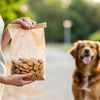
Should Dogs Eat Fresh Food?
- Houndsy
Table of Contents
- Introduction
- Defining Fresh Food for Dogs
- The Potential Benefits of a Fresh Food Diet
- The Practical Challenges of Fresh Food
- The Case for High-Quality Kibble
- Comparing Fresh vs. Kibble
- The Hybrid Approach: The Best of Both Worlds
- How to Transition Your Dog to Fresh Food
- Common Myths About Fresh Food
- Integrating Feeding into Your Home Design
- Routine and Consistency: The Secret to Health
- Making the Final Decision
- Summary Checklist for Choosing Food
- FAQ
Introduction
You are standing in the pet food aisle, or perhaps scrolling through a social media feed, and you see it: vibrant, colorful bowls filled with shredded turkey, bright green peas, and diced sweet potatoes. It looks like something you would order at a bistro. Then you look down at the bag of brown kibble in your cart and wonder if you are doing enough. The question of whether dogs should eat fresh food is one of the most debated topics in modern pet ownership.
At Houndsy, we know that every choice you make for your dog is rooted in love and a desire for them to live their longest, happiest life, which is why we designed the Houndsy Kibble Dispenser to make feeding feel more intentional. The surge in fresh food popularity has left many owners feeling torn between the convenience of traditional feeding and the perceived health benefits of a "whole food" diet. This choice often feels like it comes with a side of guilt, but it shouldn't.
This article will explore the reality of fresh food diets, the benefits they offer, and the practical challenges they present. We will also look at how high-quality kibble remains a gold standard for many and how a hybrid approach might be the perfect middle ground for your home. Our goal is to help you find a feeding routine that is healthy, sustainable, and beautiful.
Quick Answer: Dogs can thrive on both fresh food and high-quality kibble, provided the diet is nutritionally complete and balanced. Fresh food offers high palatability and digestibility, while kibble provides essential dental benefits and unmatched convenience. The best choice is the one that fits your dog's health needs and your daily lifestyle consistently.
Defining Fresh Food for Dogs
When we talk about "fresh food" for dogs, we are generally referring to meals made from whole, human-grade ingredients that have been minimally processed. Unlike kibble, which is cooked at high temperatures and pressurized into shelf-stable nuggets, fresh food is usually gently cooked and then refrigerated or frozen.
There are three main categories of fresh food that most owners consider:
Gently Cooked Commercial Diets
These are the subscription services or pet store brands that deliver pre-portioned meals to your door. The ingredients are cooked at lower temperatures to preserve nutrients and then flash-frozen. They are designed by veterinary nutritionists to ensure they meet all the essential vitamin and mineral requirements.
Home-Cooked Meals
Some owners prefer to take matters into their own hands. This involves buying ingredients at the grocery store and preparing meals in their own kitchen. While this gives you total control over the ingredients, it is the most difficult to get right. Without a specific recipe from a professional, it is easy to miss critical nutrients like calcium or taurine.
Raw Feeding
Though often grouped with "fresh," raw feeding is its own category involving uncooked meat, bones, and organs. It is highly controversial among veterinarians due to the risk of bacterial contamination and nutritional imbalances. For the purpose of this guide, we will focus primarily on gently cooked fresh food versus kibble.
The Potential Benefits of a Fresh Food Diet
Many dog owners who switch to fresh food report seeing changes in their dogs within a few weeks. While these observations are often anecdotal, there is logic behind why a dog might thrive on a fresh diet.
Improved Digestibility and Smaller Stools Because fresh food is made from whole ingredients with less processing, the body can often break it down more efficiently. High-quality proteins and fibers are easier on the digestive tract than the starches often used to bind kibble together. Many owners notice that their dogs have smaller, firmer, and less frequent stools when eating a fresh diet.
Healthier Skin and a Shinier Coat Fresh diets are often rich in natural fatty acids, such as Omega-3 and Omega-6, which are essential for skin health. When a dog is getting these fats from whole-food sources rather than supplements added back into a dry mix, the results often show up in a glossy, soft coat and less flaky skin.
Increased Palatability for Picky Eaters Let's be honest: fresh food smells and tastes better to most dogs. If you have a "bowl-shaker" who refuses to eat their kibble without a dozen toppers, fresh food can be a life-saver. The aroma of real meat and vegetables is often enough to entice even the most stubborn seniors or finicky pups.
Better Weight Management Fresh food often has a higher moisture content than kibble. This means your dog can eat a larger volume of food while consuming the same or fewer calories. This can help dogs feel "fuller" on a diet, making weight management less of a struggle for both the pet and the owner.
The Practical Challenges of Fresh Food
While the health benefits are enticing, the reality of feeding fresh food every day can be a significant hurdle. It is important to look at these factors honestly before making a total switch.
The Cost Factor
Fresh food is significantly more expensive than even the highest-end kibble. For a small dog, the difference might be manageable. However, for those with large breeds or multi-dog households, the monthly cost of a fresh food subscription can equal a car payment. You have to decide if the cost fits into your long-term budget without causing stress.
Storage and Logistics
Fresh food takes up a lot of room. If you choose a subscription service, you will need dedicated space in your freezer for the bulk shipments and space in your refrigerator for the current day's meals. For people living in apartments or those with smaller kitchens, this can be a major logistical headache. If you're weighing the dry-food side of the equation, How Long Does Dry Dog Food Last in a Container? is a useful companion piece.
The Lack of Dental Benefits
One of the hidden benefits of kibble is the mechanical scraping action it provides as a dog chews. This helps reduce the buildup of plaque and tartar. Fresh food is soft and provides zero dental stimulation. If you switch to an entirely fresh diet, you must be much more diligent about daily tooth brushing and professional cleanings.
Travel and Convenience
Feeding fresh food while traveling or boarding your dog is complicated. You have to worry about coolers, ice packs, and finding a place to store the food at your destination. It lacks the "grab and go" simplicity of a bag of dry food.
Key Takeaway: Fresh food offers excellent nutritional quality and high palatability, but it requires a significant commitment of both money and time. It is not inherently "better" than kibble if the kibble is high-quality and the fresh food is not properly balanced.
The Case for High-Quality Kibble
It is a mistake to think that kibble is "junk food." Modern pet nutrition has come a long way, and many high-quality dry foods are scientifically formulated to provide everything a dog needs to thrive.
Unmatched Consistency One of the most important things for a dog’s digestive health is consistency. Drastic changes in ingredients or portions can lead to upset stomachs and lethargy. Kibble provides a stable, predictable nutritional profile in every single bite.
Convenience and Storage Kibble is shelf-stable and easy to store. At Houndsy, we believe that the tools you use to feed your dog should make your life easier while looking great in your home. Our Houndsy Kibble Dispenser is designed to store 25–30 lbs of dry food in a BPA-free liner that keeps every nugget fresh. It turns the chore of scooping into a simple, elegant ritual that doesn't require you to hide a plastic bin in a closet.
Portion Control Managing a dog’s weight is one of the most effective ways to extend their life. With kibble, it is very easy to measure exactly how many calories your dog is getting. For a deeper look at daily amounts, How Much Food Should I Feed My Adult Dog? offers a helpful breakdown. When you use a system like our standing-height crank mechanism, you get perfect portion control with every turn, removing the guesswork and the mess of a traditional scoop.
Comparing Fresh vs. Kibble
| Feature | Fresh Food | High-Quality Kibble |
|---|---|---|
| Nutrient Density | High, from whole sources | High, scientifically balanced |
| Preparation Time | High (thawing/portioning) | Low (pour and serve) |
| Storage Needs | Freezer and Refrigerator | Cool, dry pantry space |
| Dental Health | Minimal benefit | Helps scrape away plaque |
| Shelf Life | Very short once opened | Long (weeks to months) |
| Cost | High ($$) | Moderate ($) |
The Hybrid Approach: The Best of Both Worlds
You do not have to choose between "all-fresh" or "all-kibble." Many dog owners find that a hybrid approach provides the nutritional boost of fresh food with the convenience and dental benefits of dry food.
This approach involves using a high-quality kibble as the nutritional base and adding fresh elements as "toppers." This could mean:
- Mixing in a few spoonfuls of gently cooked turkey or beef.
- Adding fresh blueberries, steamed green beans, or carrots to the bowl.
- Replacing one meal a day with fresh food and the other with kibble.
By using kibble as your foundation, you ensure your dog gets the essential vitamins and minerals they need while keeping your costs and prep time down. If you want ideas for simple add-ins, What Should I Add to My Dog's Kibble? is a useful next read. This also allows you to use tools that simplify your routine. The Houndsy Kibble Dispenser fits perfectly into a hybrid lifestyle, allowing you to dispense the dry portion of the meal quickly and without bending down, leaving you more time to focus on the fresh additions.
How to Transition Your Dog to Fresh Food
If you decide that fresh food (or a hybrid diet) is right for your dog, you cannot simply switch overnight. A dog’s gut microbiome needs time to adjust to new proteins and fiber levels.
Step 1: Consult Your Veterinarian Before changing your dog's diet, especially if they have underlying health conditions like kidney issues or allergies, talk to your vet. They can help you determine if the fresh food you’ve chosen is truly balanced.
Step 2: Start with the 25/75 Rule For the first three days, mix 25% fresh food with 75% of their old kibble. Watch for any signs of digestive upset, such as loose stools or gas.
Step 3: Move to 50/50 If your dog is doing well, move to a half-and-half mixture for the next three to four days. This is the stage where most "transition" issues occur, so stay patient.
Step 4: Increase to 75/25 By the end of the first week, your dog should be eating mostly fresh food with just a bit of kibble mixed in.
Step 5: Complete the Switch After 10 to 14 days, you can move to a 100% fresh diet if that is your goal. However, many people choose to stop at Step 2 or 3 to maintain a hybrid diet.
Bottom line: A slow transition over 10–14 days is the best way to avoid digestive upset and ensure your dog actually enjoys their new food.
Common Myths About Fresh Food
There is a lot of misinformation online regarding dog nutrition. Let's clear up a few of the most common myths.
Myth: Kibble is just "filler" and has no nutritional value. Fact: While some low-quality brands use excessive corn or soy, premium kibbles are dense with nutrients, amino acids, and minerals that are essential for dog health.
Myth: Fresh food is always healthier than kibble. Fact: Only if it is balanced. A "fresh" meal of just chicken breast and rice is severely deficient in calcium, phosphorus, and vital vitamins. Without a balanced recipe, fresh food can actually be more dangerous than kibble.
Myth: Dogs need variety in their diet just like humans do. Fact: Dogs actually thrive on consistency. Their digestive systems are not designed for a different meal every night. While fresh toppers add interest, the core nutritional profile should stay stable.
Integrating Feeding into Your Home Design
For the design-conscious dog owner, the "how" of feeding is just as important as the "what." Most dog food storage solutions are eyesores—large plastic tubs that get tucked away in a mudroom or pantry. This separation makes the feeding ritual feel like a utility task rather than a part of the home experience.
We believe that if a product is beautiful, you are more likely to use it correctly and consistently. Our this mid-century modern feeder features a design that was created to live in your kitchen or dining area. By bringing the food storage into your living space, you make the feeding routine more convenient and consistent.
The auto-locking mechanism also ensures that even if you have a curious pup (or a toddler) who loves the smell of that fresh kibble, they won't be able to help themselves to an extra snack. Good design should solve problems, and keeping your dog’s food fresh, secure, and accessible is at the heart of what we do.
Routine and Consistency: The Secret to Health
Regardless of whether you choose fresh food, kibble, or a mix of both, the most important factor in your dog's health is consistency. Dogs are creatures of habit. They thrive when they know exactly when they are eating and exactly how much they are getting.
An inconsistent feeding schedule can lead to:
- Anxiety and "begging" behaviors.
- Fluctuations in energy levels.
- Digestive issues and irregular bowel movements.
- Difficulty in monitoring health changes (it's hard to tell if a dog has lost their appetite if their feeding times are always different).
By automating the "measure and pour" part of your morning with a dedicated dispenser, you remove the friction that leads to inconsistency. You no longer have to hunt for the measuring cup or guess at a portion because you're in a rush. You simply turn the crank, and the routine is maintained.
Making the Final Decision
So, should your dog eat fresh food? There is no single "right" answer. If you have the budget, the storage space, and a dog who struggles with traditional kibble, fresh food can be a wonderful choice. It can revitalize a senior dog's interest in eating and provide a noticeable boost to coat and skin health.
However, if you value convenience, dental health, and a predictable routine, a high-quality kibble is a fantastic, science-backed option. For many, the hybrid approach offers a way to provide the best of both worlds without the extreme cost or logistical burden of a 100% fresh diet.
At Houndsy, we are dedicated to simplifying and elevating the dog feeding experience, no matter what you choose to put in the bowl. We believe that feeding your dog should be a moment of connection, not a moment of stress. Whether you are dispensing a precisely measured portion of premium kibble or carefully mixing in fresh greens, the goal is the same: a healthy dog and a happy home.
To learn more about the team behind the brand, explore our About Us page. Our mission is to make that experience beautiful. We want to replace the clunky plastic bins and the messy scoops with something you are proud to display. Our 30-day risk-free guarantee allows you to see how much of a difference a streamlined, design-forward feeding routine can make in your daily life.
Key Takeaway: The "best" food is the one that your dog thrives on, that you can afford, and that you can provide consistently every single day. Do not let "perfect" be the enemy of "good" when it comes to your dog's bowl.
Summary Checklist for Choosing Food
- Evaluate your budget: Can you sustain the cost of fresh food for the next 10 years?
- Check your storage: Do you have the freezer space for bulk fresh food?
- Assess your dog's health: Does your dog have specific needs (allergies, weight issues) that one format solves better?
- Consider your schedule: Do you have time for thawing and prep, or do you need a "scoop and go" solution?
- Think about your home: Will your food storage solution clutter your space or complement it?
FAQ
Is fresh food better for dogs than kibble?
Fresh food is not inherently "better," but it is often more palatable and easier to digest for some dogs. High-quality kibble is scientifically formulated to be nutritionally complete and provides better dental health benefits through its crunchy texture. The best choice depends on your dog's specific health requirements and your lifestyle.
Can I mix fresh food with kibble?
Yes, mixing fresh food with kibble is a popular "hybrid" approach that offers many of the nutritional benefits of fresh food while maintaining the cost-effectiveness and convenience of kibble. If you do this, ensure you are adjusting the total portions so you don't overfeed your dog. It is a great way to entice picky eaters without switching to a 100% fresh diet.
Does fresh dog food spoil quickly?
Yes, because fresh dog food contains no preservatives and has high moisture content, it spoils very quickly if left out. It should only be left in the bowl for about 30 minutes before being discarded. Unopened packages must be kept in the freezer, and opened packages should be used within 3-5 days of being refrigerated.
Why is fresh dog food so expensive?
The cost of fresh dog food reflects the use of human-grade ingredients, the lack of cheap fillers, and the logistics of shipping heavy, refrigerated products. Unlike kibble, which can be stored and shipped easily at room temperature, fresh food requires a cold supply chain and more expensive packaging. For many, the results in their dog's health make the investment worth it, but it is a significant monthly expense.