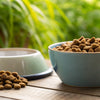
Should I Mix Wet Dog Food with Dry Dog Food
- Houndsy
Table of Contents
- Introduction
- The Case for Variety: Why Mix Wet and Dry Food?
- Understanding the Pros and Cons
- How to Calculate the Perfect Ratio
- Transitioning Your Dog to a Mixed Diet
- Life Stage Considerations: Who Benefits Most?
- Best Practices for Food Safety and Storage
- Myths vs. Facts About Mixing Food
- The Importance of Routine and Environment
- When You Should NOT Mix Food
- Making the Switch: A Final Checklist
- Conclusion
- FAQ
Introduction
We have all stood over the kitchen floor at some point, watching our dog look up with that specific, expectant "is that it?" expression. Whether you are dealing with a picky eater who has grown bored of the same crunch or you are looking for ways to boost your dog's hydration, the question of mixing food types inevitably comes up. At Houndsy, we believe that mealtime should be a seamless part of your daily routine that feels good for both you and your dog, and the Houndsy Kibble Dispenser is designed to help make that happen.
Mixing wet and dry dog food is more than just a culinary upgrade for your pet; it is a practical way to balance nutrition, cost, and convenience. In this article, we will explore the benefits and drawbacks of a mixed diet, how to calculate the right portions to avoid weight gain, and the best practices for keeping everything fresh and organized in your home.
The short answer is yes—for most healthy dogs, mixing wet and dry food is a fantastic way to enhance their dining experience while providing essential moisture and variety.
The Case for Variety: Why Mix Wet and Dry Food?
Mixing food types is often referred to as "topper feeding" or "combination feeding." For many dog owners, it represents a middle ground between the affordability of kibble and the high palatability of canned food. If you want a deeper look at the meal-combination side of the question, our wet-and-dry feeding guide is a helpful companion read. When we look at the benefits, they generally fall into three categories: health, enjoyment, and practicality.
Boosting Hydration
One of the primary reasons veterinarians recommend adding wet food to a dry diet is moisture. Dry kibble typically contains only about 10% to 12% water. In contrast, wet food is often 75% to 80% water.
For dogs that are not frequent drinkers, or for those with certain health predispositions like kidney issues or bladder stones, that extra hydration is vital. Increasing water intake through food helps the kidneys flush out toxins and can prevent the formation of crystals in the urinary tract. While it does not replace the need for a fresh water bowl, it provides a consistent baseline of hydration throughout the day.
Appealing to Picky Eaters
Dogs experience the world through their noses first. Wet food is significantly more aromatic than dry kibble, especially when warmed slightly. This intense scent can jump-start the appetite of a dog that has become disinterested in their standard meal.
Texture also plays a role. The variety of chunks, gravies, and pâtés provides a sensory experience that kibble alone cannot match. For many owners, a small amount of wet food act as a "lure," ensuring the dog consumes the nutrient-dense kibble underneath.
Satiety and Weight Management
Surprisingly, mixing in wet food can actually help with weight management in some scenarios. Because wet food is so high in water, it is often less calorie-dense by volume than dry food. This means a dog can eat a larger-looking portion that feels more "filling" without necessarily consuming more calories. This sense of satiety can prevent the "begging" behavior that often leads owners to over-feed treats between meals.
Quick Answer: Yes, you can mix wet and dry dog food. It is an excellent way to improve hydration, entice picky eaters, and provide a variety of textures, provided you adjust the total portions to maintain a healthy weight.
Understanding the Pros and Cons
Before you change your dog's daily schedule, it is worth weighing the practicalities of a mixed diet. While the benefits to the dog are clear, the impact on your household routine is also an important factor.
The Advantages
- Cost-Effectiveness: Feeding a 60-pound dog exclusively high-quality wet food can be prohibitively expensive. Mixing allows you to provide the premium benefits of wet food while the bulk of the calories come from more affordable dry kibble.
- Dental Health: While the idea that dry food "cleans" teeth is sometimes overstated, the mechanical action of chewing crunchy kibble does help reduce plaque buildup compared to a soft-food-only diet. Mixing ensures they still get that "crunch."
- Flexibility: If you ever need to hide medication or supplements, wet food is the perfect vehicle. The strong flavors and textures easily mask pills that a dog might otherwise spit out of a dry bowl.
The Challenges
- Storage and Freshness: Once a can of wet food is opened, the clock starts ticking. It requires refrigeration and typically needs to be consumed within two to three days. Dry food is much more stable, especially when stored in the BPA-free Houndsy dispenser, which helps keep the kibble fresh and protected from the air.
- Spoilage in the Bowl: Unlike dry kibble, which can safely sit out for a few hours if your dog is a "grazer," mixed food spoils quickly. Once the moisture from the wet food hits the dry kibble, it becomes a breeding ground for bacteria if left at room temperature for too long.
- Measurement Complexity: It is easy to accidentally overfeed when mixing. One "scoop" of dry and half a "can" of wet might seem like a small meal, but the caloric density varies wildly between brands.
| Feature | Dry Dog Food | Wet Dog Food | Mixed Diet |
|---|---|---|---|
| Moisture Content | Low (~10%) | High (~75%+) | Moderate |
| Shelf Life (Opened) | Long (Weeks) | Short (2-3 days) | Short (Consume immediately) |
| Cost | Lower | Higher | Moderate |
| Palatability | Standard | High | High |
| Dental Benefit | Mild | None | Mild |
How to Calculate the Perfect Ratio
The biggest mistake dog owners make when mixing food is simply adding a scoop of wet food on top of a full serving of dry food. This leads to "calorie creep," which can result in weight gain over time. To do this correctly, you must treat the meal as a single caloric unit.
The 75/25 Rule
A common starting point for many owners is the 75/25 ratio: 75% of the calories from dry food and 25% from wet. This keeps the diet cost-effective and preserves the dental benefits of kibble while providing enough wet food to make a noticeable difference in taste and moisture.
Step 1: Determine Daily Caloric Needs
Start by looking at the feeding guide on your dog's dry food bag. If your dog requires 1,000 calories a day (roughly 2.5 to 3 cups of most standard kibbles), and you want to follow the 75/25 rule, you need to provide 750 calories of dry food and 250 calories of wet food.
Step 2: Convert Calories to Volume
Check the labels of both foods. Dry food is usually measured in "calories per cup," while wet food is measured in "calories per can."
- If your dry food is 400 calories per cup, 750 calories is roughly 1.8 cups.
- If your wet food is 500 calories per can, 250 calories is exactly half a can.
Step 3: Consistency is Key
Once you have these measurements, stick to them. To make this easier, we designed our standing-height crank dispenser to provide perfect portion control with every turn of the crank. Instead of guessing with a plastic scoop, you get a consistent amount of dry kibble every time, making it much easier to simply add your measured "topper" of wet food and know the meal is balanced.
Key Takeaway: Never just "add" wet food to a full portion of dry. Subtract the appropriate amount of dry food first to keep the total calorie count consistent with your dog's needs.
Transitioning Your Dog to a Mixed Diet
Even if your dog has an "iron stomach," a sudden change in diet can lead to digestive upset. The introduction of new fats and proteins in wet food, combined with the higher moisture content, can cause loose stools if the transition happens too fast.
The Seven-Day Transition
Days 1–2: Start with 90% of their usual dry food and just a tablespoon or two of wet food mixed in thoroughly.
Days 3–4: Move to 80% dry food and a slightly larger portion of wet food.
Days 5–6: Adjust to your final intended ratio (such as the 75/25 split).
Day 7: Your dog should now be fully adjusted to the mixed meal.
During this week, monitor your dog’s energy levels and bathroom habits. A little bit of gas is normal as their gut microbiome adjusts to the new ingredients, but significant diarrhea or vomiting means you should slow down or consult your veterinarian.
Life Stage Considerations: Who Benefits Most?
While most dogs can enjoy a mixed diet, certain life stages and physical conditions make it particularly beneficial.
Senior Dogs
As dogs age, their sense of smell and taste can begin to dull. This is often why senior dogs become "picky" eaters—they simply cannot smell the food as well as they used to. The strong aroma of wet food can reignite their interest in eating.
Additionally, many seniors suffer from dental disease or missing teeth. Softening the kibble with wet food or gravy makes it much easier for them to chew and swallow without discomfort.
Growing Puppies
Puppies have high energy requirements and small stomachs. Sometimes, they struggle to eat enough dry kibble to meet their caloric needs before they feel "full." Adding a high-calorie wet food can help them get the nutrition they need for growth without requiring them to eat massive volumes of food.
Dogs with Health Conditions
For dogs prone to urinary tract infections or those with kidney disease, the extra water in wet food is a medical asset. Veterinarians often recommend "slurries"—a mix of wet food, dry food, and a little extra warm water—to maximize hydration.
Bottom line: While mixing is great for all dogs, seniors and those with hydration-related health issues often see the most significant quality-of-life improvements.
Best Practices for Food Safety and Storage
When you introduce wet food into your kitchen, your storage game needs to level up. Unlike dry food, which is shelf-stable, wet food is a perishable product, and our food bowl safety guide is a useful companion for thinking through freshness and hygiene.
Handle Wet Food Like Human Food
Think of an opened can of dog food like a container of leftovers. It must be covered tightly—either with a silicone lid or by transferring it to a glass container—and kept in the refrigerator. We recommend using it within 48 to 72 hours. If you find you aren't using a whole can in that timeframe, you can actually freeze small portions of wet food in ice cube trays and thaw them as needed.
Don't Let the Bowl Sit
The most common mistake owners make is leaving mixed food out all day. Once the dry kibble absorbs the moisture from the wet food, it becomes soft and begins to ferment.
- The 30-Minute Rule: If your dog hasn't finished the mixed meal within 30 minutes, pick it up and discard the leftovers.
- Wash the Bowl Daily: Wet food leaves behind a sticky residue and fats that go rancid quickly. A mixed diet requires a clean bowl for every single meal.
Dry Food Integrity
Even though the focus is often on the "messier" wet food, the dry food needs to stay fresh too. If your dry kibble is stale or oxidized, no amount of wet food will make it truly healthy for your dog. Our goal at Houndsy is to simplify this part of your life. By storing your kibble in a dedicated, sealed environment and using our mid-century modern feeder, you eliminate the mess of scooping and ensure the base of your dog's mixed meal is always at its peak freshness.
Myths vs. Facts About Mixing Food
There is a lot of conflicting advice in the pet world. Let's clear up some of the most common misconceptions about mixing wet and dry food.
Myth: Mixing wet and dry food causes tooth decay. Fact: While wet food doesn't provide the "scrubbing" action of kibble, it does not actively cause decay any more than other foods. Regular brushing and professional cleanings are the only true ways to prevent dental disease.
Myth: You shouldn't mix different brands of food. Fact: As long as both foods are "complete and balanced" according to AAFCO standards, you can mix brands. However, sticking to the same brand can sometimes make caloric calculations easier, as they often design their wet and dry lines to complement each other.
Myth: Wet food is just "junk food" or a treat. Fact: High-quality wet food is a nutritionally complete meal. It contains the same essential vitamins and minerals as kibble; it simply has a different delivery method (moisture vs. solids).
The Importance of Routine and Environment
Feeding your dog is one of the most consistent points of contact you have with them. It is a ritual. When that ritual is messy, inconsistent, or involves digging around in a greasy bag in the pantry, it feels like a chore.
When you move to a mixed diet, the complexity increases. You are now managing cans, lids, and spoons alongside your dry food. This is why having a streamlined "home base" for your feeding routine is so helpful, and our design-first story explains how we think about making that daily ritual feel beautiful. We believe that pet products should complement your home decor rather than clashing with it.
Our mid-century modern design ensures that your feeding station looks refined, while the auto-locking mechanism keeps curious pets (who might be extra motivated by the smell of wet food!) from helping themselves to the kibble supply. When the environment is organized, the transition to a more complex feeding routine like mixing foods feels effortless rather than overwhelming.
When You Should NOT Mix Food
While we are big fans of the mixed diet, there are a few scenarios where you should stick to a single food type or consult a professional first.
Prescription or Therapeutic Diets
If your dog is on a specific diet for a medical condition—such as a hydrolyzed protein diet for severe allergies or a specific urinary SO diet—mixing in a standard over-the-counter wet food can completely negate the benefits of the prescription.
For example, if the prescription diet is designed to maintain a specific urinary pH, adding a random can of "beef stew" dog food will change that pH, potentially leading to the very stones you are trying to prevent. If your dog is on a therapeutic diet, only mix it with the canned version of that exact same prescription line.
Severe Digestive Sensitivities
Some dogs have incredibly sensitive stomachs that do not react well to variety. If your dog has a history of pancreatitis or chronic IBD, the higher fat content often found in wet foods might trigger a flare-up. In these cases, consistency is much more important than variety.
Budgetary Constraints
If buying wet food means you have to downgrade the quality of the dry food to afford it, it is usually better to stick to a high-quality dry food alone. The foundation of the diet should always be the highest quality nutrition you can comfortably afford.
Making the Switch: A Final Checklist
If you have decided that mixing is right for your household, here is a quick checklist to ensure a successful start:
- Consult the Vet: Confirm your dog's current weight and caloric needs.
- Select Your Pair: Choose a high-quality wet food that complements your dry kibble.
- Do the Math: Calculate the 75/25 split (or your preferred ratio) based on calories, not just volume.
- Clear the Space: Ensure you have room in the fridge for open cans and a clean area for preparation.
- Watch the Clock: Commit to picking up the bowl after 30 minutes to prevent spoilage.
Conclusion
Mixing wet and dry dog food is an excellent way to elevate your dog’s daily routine. It provides the hydration and aroma of wet food with the dental benefits and convenience of dry kibble. By focusing on precise portion control and proper storage, you can provide a gourmet experience that supports your dog's long-term health without the stress of a messy kitchen.
At Houndsy, we are dedicated to making these daily rituals as beautiful and simple as possible. Whether it is through our mid-century modern design or the convenience of our standing-height crank, we want you to feel proud of how you care for your pet. If you're ready to upgrade your feeding experience, our kibble dispenser is here to help you maintain that perfect, consistent base for every meal. Plus, with our 30-day money-back guarantee, you can ensure it is the right fit for your home and your dog’s new routine.
Key Takeaway: A mixed diet is a balance of science and love. Master the portions, keep the ingredients fresh, and enjoy the excitement your dog brings to the bowl every single morning.
FAQ
Can I mix wet and dry food for a puppy?
Yes, you can mix wet and dry food for puppies once they are fully weaned. It can be especially helpful for puppies who are struggling to put on weight or those who find hard kibble difficult to chew during teething. Just ensure both the wet and dry foods are specifically formulated for "growth" or "all life stages" to meet their developmental needs.
How long can mixed dog food sit out?
Once you mix wet food with dry kibble, you should not leave the bowl out for more than 30 minutes. The moisture in the wet food causes the dry kibble to soften and can lead to rapid bacterial growth, especially in warm weather. If your dog doesn't eat it within that window, it is safest to discard the leftovers and try again at the next scheduled mealtime.
Will mixing wet food cause my dog to have diarrhea?
A sudden change in diet can cause digestive upset, but this is usually due to the speed of the transition rather than the food itself. To avoid loose stools, introduce the wet food gradually over a period of 7 to 10 days, starting with just a small spoonful and slowly increasing the amount while decreasing the dry kibble portion.
Is it cheaper to mix wet and dry food?
Mixing is generally more expensive than feeding a strictly dry diet, but it is significantly more affordable than feeding an all-wet diet. It serves as a great middle ground for owners who want to provide the high-quality ingredients and hydration of wet food without the high price tag of feeding several cans per day to a larger dog.