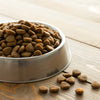
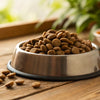
What Dry Dog Food Has the Smallest Kibble?
- Houndsy
Table of Contents
- Introduction
- Why Kibble Size Matters for Small and Toy Breeds
- Top Contenders for the Smallest Dry Dog Food Kibble
- Comparing Kibble Sizes at a Glance
- How the Houndsy Kibble Dispenser Helps Small Breed Owners
- The Challenge of Storing Tiny Kibble
- Is Small Kibble Better for Senior Dogs?
- Choosing Based on Ingredients vs. Size
- Transitioning to a New Small Kibble
- Maintaining a Clean Feeding Station
- Making Feeding Time a Design Statement
- Conclusion
- FAQ
Introduction
Watching a five-pound dog struggle with a standard-sized nugget of kibble can be a stressful experience. You want to make sure your pet is getting the nutrition they need, but sometimes the physical size of the food is a literal barrier to a good meal. Finding a dry dog food with the smallest kibble is often about more than just tiny mouths; it is about safety, digestion, and making the daily routine easier for everyone involved.
At Houndsy, we understand that feeding your dog is one of the most important moments of the day. It should be a simple, pleasant ritual rather than a chore filled with frustration or concern. Our mission is to simplify and elevate that experience.
Whether you have a tiny Toy Poodle or a senior dog with dental issues, the size of the kibble changes how you manage their diet and how you store their food. If you are ready for a more consistent feeding setup, the Houndsy Kibble Dispenser can make the routine easier from the start.
In this guide, we will break down which formulas offer the tiniest kibble on the market. We will also explore why kibble size matters for small breeds and how you can streamline your feeding routine to ensure every meal is consistent and stress-free.
Quick Answer: X-Small and toy-breed formulas are often considered to have some of the smallest kibble sizes on the market, often measuring less than 10 millimeters. These formulas are specifically designed for dogs weighing under about 8 to 10 pounds.
Why Kibble Size Matters for Small and Toy Breeds
It is easy to assume that all dry dog food is essentially the same, just packaged in different bags. However, the physical dimensions of kibble serve a very practical purpose. For dogs in the "extra-small" or "toy" category, standard kibble can be a choking hazard or simply too difficult to break down.
Dental Health and Ease of Chewing
Small dogs often have crowded teeth, which makes them more prone to dental issues. If a kibble is too large, they may try to swallow it whole. This can lead to digestive upset or, worse, a choking incident. Smaller kibble allows these dogs to crunch through their food comfortably. This mechanical scraping action against the teeth can also help reduce plaque buildup, provided the kibble is sized correctly for their mouth.
Caloric Density
Tiny dogs have incredibly fast metabolisms. They burn energy quickly but have very small stomachs. This means their food needs to be nutrient-dense. Manufacturers who make extra-small kibble usually pack more calories and nutrients into every tiny bite. This ensures that even if your dog only eats a small volume, they are getting the energy they need to stay active.
Palatability and Picky Eaters
Many owners of small breeds know the struggle of a picky eater. Sometimes, a dog isn't being stubborn; they are simply overwhelmed by the size of the food. A smaller, easier-to-eat kibble can be more inviting. If that sounds familiar, how to get your dog to eat their kibble is a helpful next read. When the food is easy to pick up and chew, your dog is more likely to finish their meal without you having to coax them.
Top Contenders for the Smallest Dry Dog Food Kibble
When searching for the smallest kibble, you want to look for labels that say "X-Small," "Toy Breed," or "Micro." If you also want a more consistent feeding setup, the perfect-portion dispenser can make serving tiny meals much easier. These are distinct from general "Small Breed" formulas, which can still have surprisingly large nuggets.
X-Small Adult Formula
This category is often the first place to look if you want tiny pieces. The kibble is usually disc-shaped and very easy to pick up. It is a strong option for fussy toy breeds.
Micro-Kibble Formula
These formulas are built around especially small pieces, sometimes pea-sized or smaller. They are a practical choice when you want tiny kibble without sacrificing convenience.
Small-Breed Active Formula
Some small-breed active formulas use a compact nugget shape that stays manageable for tiny mouths while still offering a dense, energizing recipe.
Small & Mini Formula
This category is designed for smaller dogs and often uses a kibble size that feels less intimidating for pets transitioning from wet food to dry food.
Key Takeaway: If your dog weighs under 10 pounds, look for "Extra Small" or "Toy Breed" specific formulas rather than general "Small Breed" bags to ensure the smallest possible kibble size.
Comparing Kibble Sizes at a Glance
| Formula Type | Best For | Estimated Kibble Size | Key Benefit |
|---|---|---|---|
| X-Small formula | Dogs under 8 lbs | ~5-7 mm | Highly palatable for picky eaters |
| Micro-kibble formula | Holistic nutrition | ~6-8 mm | A tiny, easy-to-chew option |
| Small & Mini formula | Clinical nutrition | ~7-9 mm | Highly digestible for sensitive stomachs |
| Natural-ingredients small bites | Ingredient-conscious owners | ~8-9 mm | Includes add-in pieces for variety |
How the Houndsy Kibble Dispenser Helps Small Breed Owners
Feeding a small dog requires precision. When you are dealing with very small portions, even a slight overage can lead to weight gain. Conversely, missing the mark by a few pieces of kibble might mean your dog isn't getting enough calories.
Our Houndsy Kibble Dispenser is designed to take the guesswork out of this process. Most people find that scooping tiny kibble with a plastic cup is messy and inconsistent. Small kibble pieces tend to spill easily and get caught in the crevices of traditional containers. We built our dispenser with a standing-height crank mechanism that allows you to dispense the perfect amount of food directly into the bowl with a simple turn.
Because small dogs eat less per meal, a bag of high-quality small-breed food often lasts much longer than a standard bag. This makes storage a priority. Our BPA-free liner system keeps the kibble fresh from the first crank to the last. This helps prevent the oils in the food from going rancid, which is a common issue when small bags sit open in a pantry for weeks.
The Challenge of Storing Tiny Kibble
Small kibble presents a unique storage challenge. Because the surface area of each piece is so small relative to its volume, it can dry out or lose its aroma faster if not sealed properly. If you want more freshness and storage tips, this guide on whether dog kibble goes stale is a helpful companion. Furthermore, tiny kibble is notorious for leaking out of bags that aren't zipped shut perfectly.
Consistency is key for your dog's digestion. Switching between fresh food and stale food can cause upset stomachs. We recommend keeping your kibble in a cool, dry place. Using a dedicated storage solution like ours ensures that the food stays at peak quality. With our Houndsy dispenser, you can fit a full bag of small-breed kibble inside, reducing the need for constant refills and keeping your kitchen looking sharp.
Is Small Kibble Better for Senior Dogs?
As dogs age, they often develop dental issues or lose teeth. This can make eating a painful experience. Many owners of medium or large dogs find themselves looking for the smallest kibble possible to help their senior companions.
Myth: Senior dogs must eat "Senior" labeled food only.
Fact: While senior formulas have specific nutrients, the physical size of the food is often more important for comfort. Small or "mini" kibble is frequently easier for older dogs to manage, regardless of their breed size.
If you are transitioning an older dog to a smaller kibble, do it slowly. Their digestive systems can become more sensitive with age. Mixing the new, smaller kibble with their current food over the course of a week is usually the best approach.
Choosing Based on Ingredients vs. Size
While you are searching for the smallest kibble, do not let size be the only factor. The quality of the ingredients is still the most important part of the equation. For a deeper look at ingredient quality, what makes a good kibble for dogs is a useful place to start.
Look for real meat as the first ingredient. Small breeds need high-quality protein to maintain lean muscle. Avoid foods that rely heavily on "fillers" like corn or soy, which can be harder for small systems to process.
Check the fat content. Because small dogs have high energy needs, they often require a slightly higher fat percentage than large breeds. However, this must be balanced with activity levels to prevent obesity.
Consider the "LifeStage." A puppy needs different nutrients than an adult. Most of the smallest-kibble formulas offer puppy, adult, and senior versions.
Transitioning to a New Small Kibble
If you’ve discovered a kibble that is the perfect size for your dog, you might be tempted to switch immediately. To avoid a mess on your kitchen floor, a gradual transition is always better. If you want a broader walkthrough of feeding adjustments, how to feed kibble to dogs covers the basics well.
Step 1: The Initial Mix
For the first two days, mix about 25% of the new small kibble with 75% of the old food. This allows your dog’s stomach enzymes to adjust to the new protein or fat levels.
Step 2: The Halfway Point
On days three and four, move to a 50/50 split. This is often where you will notice if your dog prefers the smaller size. Most toy breeds will start picking out the smaller pieces first.
Step 3: The Final Stretch
By days five and six, use 75% new kibble and 25% old. If their energy levels look good and their bathroom habits are normal, you are ready for the full switch.
Step 4: Full Transition
By day seven, your dog can enjoy 100% of their new, smaller kibble. This is the perfect time to clear out the old bags and start fresh with a clean feeding routine.
Maintaining a Clean Feeding Station
One of the frustrations of small kibble is the mess. Tiny pieces are like marbles; if one drops, it rolls under the fridge or the stove. Traditional bowls on the floor often lead to "kibble scatter."
Using a high-quality dispenser helps contain the mess. Our auto-locking mechanism is especially helpful in households with curious pets or toddlers who might be tempted to turn the crank when you aren't looking.
Making Feeding Time a Design Statement
We believe that caring for your dog shouldn't mean sacrificing the aesthetic of your home. Most pet products are made of cheap plastic and are designed to be hidden away. We took a different approach. The mid-century modern dispenser is built to be a part of your decor.
When you have a small breed, your life is often about the little details. You choose the right harness, the most comfortable bed, and the best food. The way you serve that food should be no different. By elevating the bowl and using a beautiful, functional dispenser, you turn a chore into a seamless part of your lifestyle.
Bottom line: Finding the smallest kibble is the first step toward a healthier, happier dog. Pairing that food with a consistent, convenient, and beautiful feeding routine is the second.
Conclusion
Finding the right dry dog food with the smallest kibble can significantly improve your dog's quality of life. Specialized X-Small and Mini options make mealtime safer and more enjoyable for tiny companions. Remember to prioritize high-quality ingredients alongside the physical size of the nugget.
Our mission is to simplify and elevate every aspect of the feeding experience. We want to help you move away from the frustration of messy bags and inconsistent portions. We back that commitment with a 30-day money-back guarantee because we want you to feel confident in your setup.
Take the next step in your pet care routine by investing in a system that values consistency, design, and your dog’s well-being with the Houndsy Kibble Dispenser.
FAQ
What is the smallest kibble size available?
The smallest kibble sizes are typically found in "X-Small" or "Toy Breed" formulas, measuring roughly 5 to 7 millimeters in diameter. These tiny, disc-shaped or round pieces are designed for the smallest mouths.
Can I give my large dog small kibble?
While a large dog can physically eat small kibble, it is generally not recommended as a permanent solution. Large dogs tend to gulp small pieces without chewing, which can lead to bloating or digestive issues, and they miss out on the dental benefits of crunching larger nuggets.
How do I know if my dog's kibble is too big?
If your dog is dropping pieces of food, struggling to break them apart, or acting hesitant to eat, the kibble may be too large. You should also watch for signs of productive chewing; if they are trying to swallow pieces whole and then gagging, a smaller kibble size is definitely needed.
Is small kibble better for dogs with missing teeth?
Yes, small kibble is often much easier for dogs with missing teeth or dental disease to manage. Because the pieces are tiny, they require less jaw pressure to break down, and in some cases, dogs can safely consume them with minimal chewing compared to standard-sized nuggets.