What Is Dog Food Kibble and Why Is It So Popular?
- Houndsy
Table of Contents
- Introduction
- The Basic Definition of Kibble
- A Brief History of the Dry Pellet
- How Dog Food Kibble Is Made
- What Is Actually Inside the Bag?
- The Benefits of Choosing Kibble
- Understanding "Complete and Balanced"
- Common Misconceptions About Kibble
- How to Choose a Quality Kibble
- The Importance of Freshness and Storage
- Feeding Routines and Consistency
- Transitioning to a New Kibble
- Safety in the Household
- Design and the Modern Home
- Is Kibble Right for Every Dog?
- Bottom Line on Kibble
- Conclusion
- FAQ
Introduction
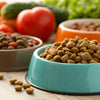
You reach for the bag in the pantry, and your dog is already there, tail thumping against the floor. That familiar rustle of the heavy paper bag and the sound of dry pellets hitting the ceramic bowl is the universal signal that breakfast is served. Most of us don't think twice about those small, crunchy brown bites, but if you have ever found yourself staring into a 30-pound bag and wondering what is actually in it, you are not alone.
Feeding our dogs is one of the most important rituals we share with them, yet the food itself remains a bit of a mystery to many owners. At Houndsy, we believe that understanding what goes into your dog's bowl is the first step toward a healthier, more consistent feeding routine. In this post, we will explore exactly what kibble is, how it is manufactured, and why it became the gold standard for pet nutrition across the globe.
By the time you finish reading, you will understand the science behind the crunch, the ingredients that drive your dog’s health, and how to manage this daily staple with more ease and style. Modern dog ownership is about more than just "providing food"—it is about creating a lifestyle where nutrition and convenience live in harmony, a philosophy embodied by the Houndsy Kibble Dispenser.
The Basic Definition of Kibble
Kibble is a dry, processed pet food that has been cooked and shaped into small, bite-sized pieces. While the word might sound like a technical term, it simply refers to the crunchy pellets that make up the vast majority of dog diets in the United States. It is designed to be a "complete and balanced" meal, meaning every single piece contains a calculated ratio of protein, fats, fiber, vitamins, and minerals.
Historically, dogs ate scraps from human tables or raw leftovers from hunts. However, as our lives moved indoors and became more structured, our dogs’ diets followed suit. Kibble was developed to provide a shelf-stable, easy-to-measure alternative to wet food or raw meat. It is formulated to stay fresh at room temperature for weeks, making it the most practical choice for busy households.
The primary goal of kibble is consistency. Unlike a homemade meal where the nutrient density might vary from day to day, a high-quality dry food ensures your dog receives the same nutritional profile at every sitting. This predictability is one of the reasons veterinarians often recommend it as a foundation for long-term health.
A Brief History of the Dry Pellet
The journey of dog food from table scraps to the modern pellet is surprisingly recent. In the mid-1800s, an American electrician named James Spratt noticed dogs at a shipyard eating discarded ship biscuits. He realized there was a market for a convenient, portable dog snack. He created "Spratt’s Patent Meat Fibrine Dog Cakes," which were essentially hard biscuits made of wheat, vegetables, and beef blood.
By the early 20th century, these biscuits evolved into smaller, more manageable pieces. The real shift happened during World War II. Before the war, canned dog food was the dominant choice, but tin rationing meant that manufacturers had to find a way to package food without metal. Dry food in paper bags became the necessary solution, and pet owners never looked back.
In the 1950s, the process of extrusion was introduced. This allowed manufacturers to create the light, airy, and uniform shapes we see today. This history shows that kibble was born out of a need for convenience, but it has since evolved into a highly sophisticated nutritional product.
How Dog Food Kibble Is Made
Understanding how your dog's food is made helps take the "mystery" out of the bag. Almost all dry dog food is produced through a process called extrusion. It is a high-speed, high-heat method that turns raw ingredients into the uniform shapes you recognize.
The Mixing Stage
First, the recipe is developed by animal nutritionists. They combine dry ingredients like grains, legumes, and vitamin premixes with wet ingredients like meat and fats. These are ground into a consistent "dough" or "mash." This ensures that the nutrients are evenly distributed throughout the entire batch.
The Extrusion Process
The dough is fed into an extruder—a massive machine that uses a combination of high pressure and steam to cook the food as it moves through a long barrel. At the end of the barrel, the dough is forced through a "die" (a metal plate with specifically shaped holes). As the dough exits the die, it is cut by a rotating blade into individual pieces.
The Drying and Coating Stage
When the pieces exit the extruder, they are still soft and moist. They move into a drying oven where the moisture level is reduced to roughly 10%. This is the secret to kibble’s long shelf life; without moisture, bacteria and mold cannot grow. Finally, the kibble is often sprayed with a light coating of fats or flavor enhancers to make it smell and taste irresistible to your dog.
Key Takeaway: The extrusion process is what gives kibble its uniform shape and shelf stability, while the final coating ensures it stays palatable for even the pickiest eaters.
What Is Actually Inside the Bag?
When you read a dog food label, the list of ingredients can feel overwhelming. However, most quality kibbles are built on a few core pillars of nutrition. Each ingredient serves a specific purpose in your dog’s biological function.
Proteins: The Building Blocks
Proteins are the most important part of any dog’s diet. You will often see "chicken," "beef," or "lamb" listed first. You might also see "meat meal," which is simply meat that has been cooked and dried to remove the water, making it a highly concentrated source of protein. Protein supports muscle growth, tissue repair, and a healthy immune system.
Carbohydrates: The Energy Source
Carbohydrates like brown rice, barley, oats, or peas provide the energy your dog needs for walks and playtime. They also provide the structural integrity needed for the extrusion process. Without some form of starch or fiber, the kibble wouldn't hold its shape—it would simply crumble into dust.
Fats and Oils
Fats are a dense energy source and are crucial for the absorption of certain vitamins. Ingredients like chicken fat or fish oil provide Omega-3 and Omega-6 fatty acids. These are what give your dog that shiny, healthy coat and support brain development.
Vitamins and Minerals
Even the best meat and grains don't contain every single micronutrient a dog needs. Manufacturers add a "vitamin premix" to ensure the food meets AAFCO (Association of American Feed Control Officials) standards. This includes everything from Vitamin A for vision to Zinc for skin health.
The Benefits of Choosing Kibble
There is a reason why kibble remains the most popular choice for dog owners worldwide. It balances health, cost, and logistics better than almost any other feeding method.
- Oral Health: The mechanical action of chewing crunchy kibble can help reduce the buildup of plaque and tartar on your dog's teeth. While it is not a replacement for brushing, it provides a daily "scrubbing" effect that soft foods lack.
- Convenience: Kibble is remarkably easy to handle. It doesn't require refrigeration, it doesn't smell as strong as wet food, and it is easy to transport if you take your dog on a weekend trip.
- Cost-Effectiveness: Because it is shelf-stable and easy to produce in bulk, kibble is generally the most affordable way to provide high-quality nutrition.
- Portion Control: Measuring a specific volume of dry food is much easier than weighing out raw meat or dividing cans of wet food.
We designed the Houndsy Kibble Dispenser to lean into this convenience. One of the frustrations of kibble is the bulky, unattractive bag and the messy scoop. Our standing-height crank mechanism removes the need to bend down or dig through a dusty bag, turning the practical benefit of kibble into a seamless, elevated experience for the owner.
Understanding "Complete and Balanced"
You will see the phrase "complete and balanced" on almost every bag of kibble, but what does it actually mean? In the United States, this is a legal definition monitored by AAFCO.
Complete means the food contains every single nutrient required by a dog for a specific life stage (like "Puppy" or "Adult Maintenance"). Balanced means those nutrients are present in the correct ratios. For example, having too much of one mineral can actually prevent the absorption of another.
When you feed a kibble that meets these standards, you are essentially providing a "one-stop shop" for your dog's health. You don't have to worry about mixing in supplements or balancing the meal yourself; the science has already been done for you.
Common Misconceptions About Kibble
Despite its popularity, there are several myths surrounding dry dog food that can cause unnecessary worry for pet parents.
Myth: Kibble is "junk food" because it is processed. Fact: Processing is simply a way to cook and preserve food. High-quality kibble uses premium ingredients and is scientifically formulated to provide better nutrition than many home-cooked meals.
Myth: Dogs get bored eating the same thing every day. Fact: While humans crave variety, dogs thrive on routine. Their digestive systems are much more sensitive than ours, and a consistent diet of high-quality kibble actually prevents upset stomachs and maintains a healthy gut microbiome.
How to Choose a Quality Kibble
Not all kibbles are created equal. The pet food aisle is full of options, from budget brands to boutique, grain-free recipes. Here is how to navigate the choices:
- Check the First Ingredient: Look for a specific animal protein (like "deboned chicken" or "beef") rather than generic terms like "meat by-products."
- Match the Life Stage: Puppies need more calories and calcium for growth, while seniors may need fewer calories and more joint support. Always buy food labeled for your dog’s current age.
- Avoid Excessive Fillers: While some carbohydrates are necessary, avoid foods where the first three ingredients are corn, wheat, or soy. These are often used to bulk up the food without adding much nutritional value.
- Look for the AAFCO Statement: Ensure the bag explicitly states that it is formulated to meet the nutritional levels established by AAFCO.
The Importance of Freshness and Storage
Even though kibble is shelf-stable, it is not invincible. Once you open a bag of dog food, the clock starts ticking. Oxygen, light, and heat are the three main enemies of kibble. When fats in the food are exposed to air, they begin to oxidize and go rancid. This not only makes the food taste bad to your dog but can also decrease its nutritional value.
Many owners leave their kibble in the original bag and roll the top down. While this is better than nothing, it isn't airtight. Others dump the food into a plastic bin. However, many plastic bins are not BPA-free and can leach chemicals into the food over time. If you want a deeper dive into protecting freshness, our guide on how to store kibble dog food is a helpful next read.
We addressed this by outfitting our BPA-free storage liner with a 25–30 lbs of food capacity. This keeps the kibble fresh and protected from the elements, ensuring that the last bowl of the bag tastes just as good as the first. Consistency is key to a dog's digestive health, and keeping their food fresh is a big part of that.
Feeding Routines and Consistency
Dogs are creatures of habit. They love knowing exactly when they are going to eat and exactly how much they are going to get. A consistent feeding routine reduces anxiety and helps regulate their bathroom schedule.
Consistency in portion size is just as important as consistency in timing. It is very easy to "eye-ball" a scoop of food and accidentally give your dog 20% more than they need. Over time, this leads to weight gain, which can put a strain on their joints.
For help dialing in exact amounts, our guide on how much food to feed your adult dog breaks down portion control in more detail.
Using a system that provides perfect portion control with every turn makes this process effortless. Instead of hunting for a lost measuring cup, you can rely on our standing-height feeder to deliver the exact amount your dog needs. This level of precision is especially helpful in multi-person households where different family members might be handling feeding duties.
Transitioning to a New Kibble
If you decide to switch your dog's food, you should never do it overnight. A sudden change in diet can lead to diarrhea, vomiting, and a very unhappy pup. Their digestive enzymes need time to adapt to new protein and fiber sources.
If you're making the switch for a puppy, how to transition puppy to dry food offers a simple 7-day guide.
Step 1: Days 1–2. Mix 75% of the old food with 25% of the new food. Step 2: Days 3–4. Move to a 50/50 split of the old and new food. Step 3: Days 5–6. Mix 25% of the old food with 75% of the new food. Step 4: Day 7. Transition to 100% of the new food.
Watch your dog’s stool during this week. If it becomes soft, slow down the transition and stay at the current ratio for an extra day or two.
Safety in the Household
For households with small children or particularly clever dogs, kibble storage can become a safety or "mess" issue. Toddlers love to play in dog bowls, and some dogs are experts at ripping open bags of food the moment you leave the room.
When choosing a storage solution, look for safety features that prevent accidental dispensing. Our auto-locking mechanism was designed specifically for this reason. It ensures that the kibble only comes out when you want it to, preventing "self-serve" sessions by curious pets or toddlers. This keeps your dog's caloric intake on track and your kitchen floor clean.
Design and the Modern Home
For too long, dog feeding was treated as a utility task to be hidden away in a laundry room or garage. But for most of us, the dog eats in the kitchen or the dining area—the heart of the home. Why should your dog's food storage be an eyesore?
Choosing products that complement your home decor rather than clashing with it makes the feeding ritual more enjoyable. For the brand story behind that philosophy, About Houndsy explains how we combine ergonomics and modern aesthetics. When you aren't embarrassed by your pet gear, you are more likely to keep it in a convenient location, which makes sticking to a feeding routine much easier.
Is Kibble Right for Every Dog?
While kibble is the best choice for the majority of dogs, it is not a "one size fits all" solution. Some dogs with specific medical conditions, severe allergies, or dental issues that prevent them from chewing hard food may require wet or fresh diets.
However, for most healthy adult dogs, a high-quality kibble provides the most balanced and sustainable form of nutrition. It is easy for the owner to manage and provides the consistent fuel the dog needs to thrive. If you are ever unsure if your dog's current food is working, a quick check of their coat, energy levels, and stool quality will usually give you the answer. A healthy dog on a good kibble should have a shiny coat, steady energy, and small, firm stools.
Bottom Line on Kibble
Kibble is a scientifically engineered, highly convenient, and nutritionally complete way to feed your dog. By understanding the manufacturing process and the importance of quality ingredients, you can make informed decisions that support your dog's long-term health while keeping your daily routine simple.
Bottom line: Kibble is the ultimate tool for consistent canine nutrition, offering a balance of dental benefits, shelf stability, and precise nutrient delivery that fits into the modern lifestyle.
Conclusion
What we feed our dogs is an expression of how much we care for them. While kibble might look like simple brown pellets, it is the result of decades of nutritional science and manufacturing refinement designed to help our dogs live longer, healthier lives. It offers a level of convenience and consistency that is hard to match with any other feeding method.
At Houndsy, our goal is to take that convenience to the next level. We want to turn the daily chore of feeding into a moment of connection that fits beautifully into your home. By combining the nutritional reliability of kibble with the Houndsy Kibble Dispenser, we aim to simplify your life and elevate your dog's experience.
Feeding your dog shouldn't involve wrestling with heavy bags or guessing at portion sizes. With the right food and the right tools, it becomes a simple, stylish part of your day. We stand behind our 30-day money-back guarantee because we believe that once you change how you feed, you’ll never want to go back to the bag.
FAQ
Is kibble better for dogs than wet food?
Neither is objectively "better," but they offer different benefits. Kibble is generally better for dental health and is much more convenient and affordable, while wet food provides higher moisture content which can be helpful for dogs who don't drink enough water.
Why do some people say kibble is bad for dogs?
Most criticism of kibble stems from low-quality brands that use excessive fillers or unnamed "by-products." High-quality kibble from reputable brands is a safe, healthy, and scientifically backed way to provide complete nutrition for your pet.
How long does a bag of kibble stay fresh once opened?
Once a bag is opened, the fats begin to oxidize. For the best freshness and nutritional value, you should aim to use the bag within 4 to 6 weeks and store it in a cool, dry place in an airtight container or a lined dispenser.
Can I mix water with my dog's kibble?
Yes, adding a little warm water or low-sodium broth to kibble is a great way to increase hydration and enhance the aroma of the food. This is particularly helpful for picky eaters or older dogs who may have trouble chewing hard pellets.