What is Dry Dog Food Called?
- Houndsy
Table of Contents
- Introduction
- The History and Meaning of Kibble
- How Dry Dog Food is Made
- Why is Kibble So Popular?
- Understanding the Ingredients
- Storing Your Dry Dog Food Correctly
- Creating a Better Feeding Routine
- Design-Forward Feeding in the Home
- Common Myths About Dry Dog Food
- Safety and Portability
- How Much Should You Feed?
- Maintaining Freshness Over Time
- Conclusion
- FAQ
Introduction
If you have ever stood in the pet food aisle of a local store, you have likely seen rows of large, heavy bags filled with small, crunchy pellets. Most of us simply refer to this as dry dog food. However, there is a more specific term used by veterinarians, manufacturers, and enthusiasts: kibble.
At Houndsy, our mission is to simplify and elevate the dog-feeding experience starts with the very language we use to describe our dogs' daily meals. Whether you are a new pet parent or a seasoned owner, knowing what goes into those crunchy bites is essential for a healthy routine. This article will explore the terminology, history, and benefits of dry dog food.
We will also look at how to choose the highest quality options and how to store them properly to ensure freshness. Understanding what is dry dog food called and how it is made helps you make better decisions for your dog’s long-term health.
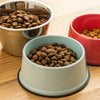
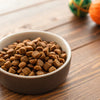
Quick Answer: Dry dog food is most commonly called "kibble." It consists of ground ingredients like meat, grains, and vegetables that are shaped into small pellets and dried for shelf-stability and convenience.
The History and Meaning of Kibble
The word "kibble" actually has roots that predate the modern pet food industry. It comes from an old English verb, "to kibble," which means to grind or chop something into small pieces. In the mid-20th century, as commercial pet food became more common, the term was adopted to describe the small, processed pellets we use today.
Before the invention of commercial food, dogs mostly ate table scraps or raw meat. In the late 1800s, an electrician named James Spratt noticed stray dogs eating discarded ship biscuits. He realized there was a market for a convenient, shelf-stable dog biscuit. These early "dog cakes" eventually evolved into the bite-sized pieces we now recognize as kibble.
By the 1950s, the process of extrusion changed everything. This allowed companies to mass-produce dry food in various shapes and sizes. Since then, kibble has become the most popular way to feed dogs in the United States because of its cost-effectiveness and ease of use.
How Dry Dog Food is Made
Most dry dog food is produced through a process called extrusion. Understanding this process helps explain why kibble looks and feels the way it does. It also explains why some nutrients need to be added back into the food after it is cooked.
The Extrusion Process
To create traditional kibble, manufacturers mix wet and dry ingredients into a large dough. This dough is then fed into an "extruder," which uses high heat and intense pressure to cook the mixture. As the dough is forced through a die-cutting machine, it is sliced into the small shapes we see in the bag.
After the pieces are cut, they are dried in a large oven to remove moisture. This low moisture content is what gives kibble its long shelf life. Because the high-heat cooking process can destroy some natural vitamins, most brands spray the finished kibble with a coating of fats, vitamins, and minerals. This ensures the food is "complete and balanced" according to nutritional standards.
Baked vs. Extruded Kibble
While extrusion is the standard, some premium brands offer baked kibble. Instead of being pushed through a high-pressure machine, baked food is cooked slowly at lower temperatures. This often results in a more porous, crunchy texture that some dogs find more palatable.
| Feature | Extruded Kibble | Baked Kibble |
|---|---|---|
| Cooking Temperature | Very High | Low to Moderate |
| Texture | Hard and Dense | Light and Crunchy |
| Nutrient Retention | Requires added vitamins | Retains more natural nutrients |
| Availability | Very common | Limited/Specialty |
Why is Kibble So Popular?
There are several reasons why dry dog food remains the top choice for millions of households. It offers a unique balance of nutrition and practicality that is hard to find in other feeding formats like wet or raw food.
Unmatched Convenience
For busy dog owners, the Houndsy Kibble Dispenser is incredibly easy to handle. You do not have to worry about refrigeration, and it does not spoil quickly if left in a bowl for a few hours. It is also much cleaner than wet food, making it easier to manage in high-traffic areas of your home.
Cost-Effectiveness
Buying kibble in bulk is almost always the most affordable way to provide a complete diet. Because it is concentrated and lacks the high water content of canned food, a single bag can last for several weeks. This makes it a sustainable choice for families with multiple large dogs.
Dental Health Benefits
Many veterinarians point out that the abrasive texture of kibble can help reduce plaque and tartar buildup. As a dog chews the hard pellets, the mechanical action helps "scrub" the surface of the teeth. While it is not a replacement for regular teeth brushing, it can be a helpful supplement to an oral hygiene routine.
Key Takeaway: Kibble's popularity stems from its ability to provide a complete, balanced diet in a format that is affordable, easy to store, and beneficial for basic dental health.
Understanding the Ingredients
When looking at a bag of dry dog food, the ingredient label is your best tool for determining quality. Not all kibbles are created equal. High-quality dry food should prioritize whole food sources and avoid vague, generic terms.
The "First Five" Rule
The first five ingredients listed on the bag usually make up the majority of the food's weight. Ideally, you want to see a clearly named animal protein as the very first ingredient. Look for terms like "deboned chicken," "lamb," or "salmon."
Avoid ingredients like "meat meal" or "poultry by-product," which are less specific and often of lower quality. While "chicken meal" is actually a good source of concentrated protein, you generally want to avoid anything labeled as "animal" without a specific species mentioned.
Grains and Fillers
Dry dog food requires a binder to hold the pellet shape together. In many traditional foods, this binder is a grain like corn, wheat, or barley. In grain-free dog food recipes, manufacturers use legumes like chickpeas or starches like sweet potatoes.
Myth: "Grain-free" always means higher quality. Fact: Unless your dog has a specific grain allergy, whole grains like brown rice or oatmeal can provide essential fiber and energy.
Storing Your Dry Dog Food Correctly
Because kibble contains fats and oils, it can go rancid if exposed to air, light, and moisture for too long. Proper storage is the only way to ensure your dog is getting fresh, nutritious meals every single time.
The Importance of an Airtight Seal
Once you open a bag of kibble, the oxidation process begins. If the bag is left rolled up with just a clip, the food can lose its flavor and nutritional value within a few weeks. The Houndsy Kibble Dispenser was designed with a BPA-free liner specifically to address these concerns.
We designed the Houndsy Kibble Dispenser with a BPA-free liner specifically to address these concerns. Our liner creates a secure environment that keeps kibble fresh while holding 25–30 lbs of food. This allows you to buy in bulk without worrying about the bottom of the bag going stale.
Avoiding "The Grease Factor"
Many people pour their dog's food into plastic bins. Over time, the fats from the kibble can soak into the plastic, making it smell and potentially harboring bacteria. It is important to clean your storage containers regularly or use a liner that is designed to handle these natural oils without absorbing them.
Creating a Better Feeding Routine
Feeding your dog is more than just a chore; it is a moment of connection that happens twice a day. However, the traditional way of feeding—bending over a heavy bag and using a plastic scoop—is often messy and inconsistent.
The Problem with Scooping
Plastic scoops are rarely accurate. It is easy to accidentally give your dog a "heaping" scoop one day and a "level" scoop the next. These small inconsistencies can lead to weight gain or digestive upset over time.
Our mission is to simplify this ritual. The Houndsy Kibble Dispenser uses a standing-height crank mechanism that provides perfect portion control with every turn. This means no more bending down to dig into a dusty bag and no more guessing how much your dog is eating.
Step-by-Step: How to Transition to a New Routine
If you are switching to a more organized feeding system or a new brand of kibble, a slow transition is key to avoiding an upset stomach.
- Start with a 25/75 mix. For the first two days, mix 25% of the new food or routine with 75% of the old.
- Move to a 50/50 split. On days three and four, use an equal mix of both.
- Shift to 75/25. By days five and six, your dog should be mostly on the new system.
- Complete the transition. On day seven, you can move to 100% of the new food or feeding method.
Design-Forward Feeding in the Home
For many of us, the kitchen is the heart of the home. We spend a lot of time and effort choosing the right furniture and decor, yet most pet products are made of bright, clunky plastic that we try to hide in a pantry or mudroom.
We believe that a product you do not mind having on display is a product you will use more consistently. Good design is not just about looks; it is about making a necessary task feel more refined. By choosing tools that complement your home, you turn a utility into a feature of your living space.
The mid-century modern design of our products is intended to fit naturally alongside your existing decor. Feeding your dog shouldn't require you to compromise on your aesthetic preferences. When your feeding station looks great, the daily ritual feels like a more integrated part of your lifestyle.
Common Myths About Dry Dog Food
There is a lot of misinformation online regarding kibble. It is important to separate fact from fiction so you can feel confident in your feeding choices.
Myth: Dry food is boring for dogs. Fact: While humans crave variety, most dogs thrive on consistency. If your dog seems bored, you can add a small amount of warm water to the kibble to release the aromas and create a "gravy."
Myth: Kibble causes dehydration. Fact: While kibble has low moisture (usually around 10%), a healthy dog will naturally drink enough water to compensate. Always ensure your dog has access to a fresh, clean water bowl.
Myth: Expensive food is always better. Fact: Price is often a reflection of branding. The best way to judge a food is by reading the ingredient list and checking for an AAFCO (Association of American Feed Control Officials) statement, which ensures the food meets basic nutritional requirements.
Bottom line: While kibble is a processed food, high-quality brands offer a safe, complete, and convenient way to provide all the vitamins and minerals your dog needs to thrive at any life stage.
Safety and Portability
One often overlooked benefit of dry dog food is pet safety. Unlike wet food or raw diets, kibble is very stable. It is less likely to harbor dangerous bacteria like salmonella if handled properly. This makes it a safer choice for households with small children or individuals with compromised immune systems.
Kibble is also the ultimate travel food. If you take your dog on road trips or hiking excursions, you can easily portion out dry food into small bags or containers. It is lightweight, does not require a cooler, and remains fresh throughout your journey.
The Auto-Locking Advantage
In many homes, curious pets or toddlers might try to get into the dog food supply. This can lead to accidental overeating or a giant mess on the kitchen floor. We included an auto-locking mechanism on the Houndsy Kibble Dispenser to prevent exactly this. It ensures that the food only comes out when you want it to, keeping your kitchen clean and your pet's portions controlled.
How Much Should You Feed?
Determining the right amount of dry food depends on several factors, including your dog's age, weight, and activity level. Most bags provide a feeding chart, but these are often broad ranges.
- Puppies: Usually require three to four small meals a day to support rapid growth.
- Adult Dogs: Most do well with two meals—one in the morning and one in the evening.
- Seniors: May need lower-calorie options as their metabolism slows down.
- Active Breeds: Working dogs or athletes may need significantly more food than a "couch potato" breed.
If you are unsure, consult your veterinarian. They can help you calculate the specific caloric needs of your dog. Once you have that number, using a consistent dispensing method ensures you aren't accidentally overfeeding. For a deeper breakdown, How Much Food to Give Your Dog walks through portion sizes in more detail.
Maintaining Freshness Over Time
The average 30 lb bag of dog food can take several weeks or even a month to finish. To keep the kibble as fresh on day 30 as it was on day one, you must minimize its exposure to the "three enemies" of food: air, heat, and light.
- Store in a cool place: Do not keep dog food in a garage or near a heater.
- Keep it dark: Light can degrade certain vitamins and accelerate the breakdown of fats.
- Use the right container: Avoid cheap, thin plastic bins that aren't airtight.
For a deeper look at storage timelines, How Long Does Kibble Last? is a helpful read. Our dispenser's design addresses all three of these points. By keeping the bulk of the food inside a sealed, light-proof structure with a high-quality liner, we help maintain the nutritional integrity of the kibble until the very last turn of the crank.
Conclusion
Dry dog food, most commonly called kibble, is a marvel of convenience and nutrition. It has come a long way from the hard ship biscuits of the 19th century to the scientifically formulated, complete diets we have today. By choosing high-quality ingredients and storing your food in a way that preserves freshness, you are giving your dog the best foundation for a long, healthy life.
At Houndsy, we are committed to making that daily feeding ritual more beautiful and less of a chore. We believe that great design can solve the small frustrations of pet ownership, like messy bags and inconsistent portions. Our Houndsy Kibble Dispenser is built to last and designed to look stunning in any home.
We stand behind our products with a 30-day risk-free guarantee. If you are ready to elevate your feeding routine and say goodbye to the clutter of dog food bags, we invite you to explore a more consistent and convenient way to care for your dog.
FAQ
Is there a difference between kibble and dry dog food?
No, they are the same thing. "Dry dog food" is the general category, while "kibble" is the specific term used to describe the ground, shaped, and dried pellets. Both terms refer to the shelf-stable food found in bags at pet stores. If you want a closer look at the basics, What's Kibble for Dogs? covers the term in more detail.
Can I mix water with my dog's dry food?
Yes, adding a small amount of warm water can be a great way to make kibble more appetizing and easier to chew. It also adds a bit of extra hydration to your dog's meal. Just be sure to discard any uneaten moistened food after a few hours, as it can spoil once it is wet.
How long does a bag of dry dog food stay fresh?
Once opened, most dry dog food is best used within six weeks. However, if stored in an airtight container with a high-quality liner, it can stay fresh for up to two or three months. Always check the "best by" date on the bag for the manufacturer's specific recommendation.
Why does my dog's dry food have different shapes?
Manufacturers use different shapes to provide variety in texture or to make the food easier to pick up for certain breeds. Smaller kibble is designed for toy breeds with smaller mouths, while larger, crunchier pieces are often intended for large breeds to encourage more chewing and slower eating.