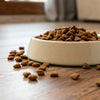
What is the Best Dry Dog Food for Chihuahuas?
- Houndsy
Table of Contents
- Introduction
- Understanding the Chihuahua Metabolism
- Key Features of the Best Dry Dog Food for Chihuahuas
- Nutritional Comparison for Chihuahua Life Stages
- Common Ingredients to Avoid
- Creating a Better Feeding Routine
- How to Transition Your Chihuahua to a New Dry Food
- The Role of Freshness in Dry Food
- Why Design Matters in Dog Care
- Safety and Security at Mealtime
- Finding the Right Balance
- FAQ
Introduction
Feeding a Chihuahua often feels like a balancing act. These tiny dogs carry massive personalities and enough energy to power a small city, yet their physical requirements are incredibly specific. You might find yourself staring at a wall of colorful bags at the pet store, wondering why a five-pound dog needs such a specialized diet. The truth is that because they are so small, every single calorie must count toward their long-term health.
At Houndsy, we understand that your dog’s feeding routine is about more than just filling a bowl; it is an essential part of your daily life together. This guide will cover the specific nutritional markers that define the best dry dog food for Chihuahuas, from kibble size to ingredient density, and we will also look at how a consistent feeding environment helps these spirited companions thrive with the Houndsy Kibble Dispenser. Finding the right food is the first step in ensuring your "Chi" stays vibrant and healthy for years to come.
Quick Answer: The best dry dog food for Chihuahuas features a very small kibble size for their tiny mouths and a high concentration of lean animal protein to support their fast metabolism. Look for recipes specifically labeled for "Toy" or "Small" breeds that include Omega-3 fatty acids for heart health and avoid artificial fillers or "meat meals."
Understanding the Chihuahua Metabolism
Chihuahuas have one of the highest metabolic rates in the canine world. While a large breed might lounge for hours, a Chihuahua is often a blur of motion, requiring a surprisingly high number of calories per pound of body weight. However, their stomachs are roughly the size of a walnut. This means they cannot eat large volumes of food at once to meet their energy needs.
Nutrient density is the most critical factor for small breeds. Because they eat so little, the food they do consume must be packed with high-quality protein, healthy fats, and essential vitamins. Low-quality fillers like corn or soy provide "empty" calories that can lead to weight gain without providing the energy your dog needs to stay active.
Hypoglycemia is a common concern for very small dogs. When a Chihuahua goes too long without eating, their blood sugar can drop dangerously low. This makes the quality of their dry food—and the consistency of their feeding schedule—paramount. A high-quality dry food provides a steady release of energy throughout the day rather than a quick spike and crash.
Key Features of the Best Dry Dog Food for Chihuahuas
When you are scanning labels, certain terms and ingredients should stand out. The best dry dog food for Chihuahuas is not just a smaller version of standard dog food; it is formulated to address the specific biological hurdles of toy breeds.
Optimal Kibble Size and Shape
Chihuahuas have tiny jaws and crowded teeth, making large kibble a genuine safety hazard. If the pieces are too big, your dog may struggle to chew, leading to choking or digestive upset from swallowing unchewed chunks. Look for "small breed" or "toy breed" formulas. These brands typically shape their kibble into tiny discs or hearts that are much easier for a Chihuahua to manage. This smaller size also helps with mechanical plaque removal, which is vital since small breeds are prone to dental issues.
High-Quality Lean Protein
The first ingredient on the bag should always be a recognizable animal protein. Chihuahuas evolved from hunters, and their bodies are designed to process animal tissue. Lean proteins like chicken, turkey, and white fish are excellent because they provide the building blocks for muscle without excessive saturated fat. Avoid "meat by-products" or generic "poultry meal," as these are often rendered leftovers that lack the nutritional integrity of whole meats.
Heart-Healthy Fats and Omegas
Heart conditions are a known health risk for Chihuahuas as they age. Choosing a food rich in Omega-3 and Omega-6 fatty acids can help support cardiovascular function. Look for ingredients like salmon oil, flaxseed, or chia seeds. These healthy fats do double duty by keeping your dog's skin hydrated and their coat looking glossy—a must for both the short-haired and long-haired varieties.
Controlled Caloric Density
Obesity is a major threat to a Chihuahua’s skeletal health. Even a single extra pound on a six-pound dog is a massive strain on their joints and heart. The best dry foods balance high energy with calorie control. This is where portioning becomes vital, and our kibble dispenser allows you to achieve perfect portion control with every crank, ensuring your tiny dog gets exactly what they need and not a kibble more.
Key Takeaway: Prioritize nutrient-dense formulas over volume. Every bite should contain high-quality protein and heart-healthy fats to support a Chihuahua's fast metabolism and small stomach.
Nutritional Comparison for Chihuahua Life Stages
A Chihuahua puppy has vastly different needs than a twelve-year-old senior. Because they live longer than most breeds—often reaching 15 to 20 years—their diet must evolve with them.
| Life Stage | Primary Focus | Key Nutrient Needs |
|---|---|---|
| Puppy (0–12 Months) | Rapid growth and brain development | High DHA, extra protein, and calcium |
| Adult (1–10 Years) | Energy maintenance and weight control | Balanced lean protein and Omega fatty acids |
| Senior (11+ Years) | Joint support and kidney health | Glucosamine, lower phosphorus, and easy-to-digest fiber |
Feeding the Chihuahua Puppy
Puppies require more frequent meals to prevent blood sugar drops. Their dry food should be formulated for growth, featuring higher levels of protein and fat. Look for DHA (docosahexaenoic acid), which is typically found in fish oil and supports healthy brain and vision development during those first few critical months.
Maintaining the Adult Chihuahua
Adult dogs need stability and weight management. Once your dog reaches their full size, the focus shifts to maintaining a lean body condition. High-quality dry food for adults should emphasize fiber to keep them feeling full without overfeeding. Consistency is your best friend here, and if you want a deeper dive into meal structure, should you leave dog food out all day is a helpful next read.
Supporting the Senior Chihuahua
As Chihuahuas enter their golden years, their metabolism slows down. They may become less active, meaning they need fewer calories but higher quality ingredients. Senior formulas often include supplements like glucosamine and chondroitin to help with stiff joints. If your senior dog has lost teeth, you can still use dry food by mixing it with a small amount of warm water to soften the kibble while retaining the nutritional benefits.
Common Ingredients to Avoid
Not all dry dog foods are created equal, and some common additives can be particularly hard on a small dog’s system. Because a Chihuahua’s liver and kidneys are so small, they are more sensitive to chemical preservatives and low-grade fillers.
- Artificial Colors and Flavors: These serve no nutritional purpose and are purely for human appeal or to mask low-quality ingredients.
- BHA and BHT: These chemical preservatives are often used to extend shelf life but have been linked to health concerns in many animals.
- Excessive Sodium: High salt content can lead to increased blood pressure, which is a major concern for a breed already prone to heart murmurs and valve disease.
- Corn Gluten Meal: This is often used as a cheap protein substitute, but it lacks the complete amino acid profile found in animal meats.
Myth: "Free-feeding" (leaving food out all day) is the best way to prevent low blood sugar in Chihuahuas.
Fact: Free-feeding often leads to obesity and makes it impossible to track how much your dog is actually eating. It is much better to feed small, measured meals at consistent times throughout the day.
Creating a Better Feeding Routine
A high-quality diet is only effective if the feeding routine is consistent. For a Chihuahua, the environment where they eat matters just as much as what is in the bowl. Because they can be "diva" eaters, a calm, predictable schedule helps them focus on their meal.
Consistency reduces stress for both you and your dog. When your dog knows exactly when and where they will be fed, they are less likely to act out or scavenge for scraps. This is where modern design meets practical utility, and how to feed kibble to dogs is a great companion topic for building a better routine.
The ergonomics of feeding are often overlooked. Most dog bowls sit directly on the floor, requiring you to bend down and scoop, which can be a messy chore. Our standing-height crank mechanism eliminates the need to bend over, making the ritual of feeding your dog as refined as the rest of your home. A clean, elevated experience reflects the care you put into choosing their food.
How to Transition Your Chihuahua to a New Dry Food
If you have decided to switch to a higher-quality dry food, do not do it all at once. A Chihuahua’s digestive system is delicate, and a sudden change can lead to upset stomachs or a total refusal to eat.
Step 1: The 25% Mix
For the first two to three days, mix 25% of the new food with 75% of the old food. Observe your dog for any signs of lethargy or digestive changes.
Step 2: The Half-and-Half
If your dog is doing well, move to a 50/50 split for the next two to three days. This allows their gut bacteria to adjust to the new protein sources and fiber levels.
Step 3: The 75% Transition
Increase the new food to 75% and keep the old food at 25%. Most dogs will be fully adjusted by this point and may even start picking out the new, higher-quality kibble first.
Step 4: Full Integration
By day seven to ten, you can serve 100% of the new dry food.
Bottom line: A slow transition over 7 to 10 days is the safest way to introduce a new diet to a Chihuahua without causing digestive distress.
The Role of Freshness in Dry Food
Many owners do not realize that dry dog food begins to oxidize the moment the bag is opened. For a Chihuahua owner, this is a unique challenge. Because your dog eats so little, a standard bag of food can sit open for a long time. If the fats in the food go rancid, your dog might refuse to eat, or worse, the food could lose its nutritional potency. For a closer look at storage and shelf life, how long dog kibble lasts is worth reading.
Proper storage is non-negotiable. Keeping food in its original bag inside a sealed container is one way to handle it, but it is often clunky and unsightly. We designed our system with a BPA-free liner that keeps kibble fresh and protected from the air. This ensures that the last bit of kibble in the dispenser is just as nutritious and flavorful as the first. This level of freshness is especially important for the high-fat, high-protein diets that Chihuahuas require.
Why Design Matters in Dog Care
If you care about the aesthetics of your home, you shouldn't have to hide your dog's feeding station in a laundry room or a dark corner. Most pet products are made of cheap plastic that clashes with modern decor. However, when a product is beautiful, you are more likely to keep it in a central location, like the kitchen, which reflects our mission.
A visible feeding station reminds you to stay on schedule. Our mid-century modern design ensures the Houndsy Kibble Dispenser complements your home decor rather than clashing with it. When the feeding process is convenient and visually appealing, it stops being a chore and starts being a highlight of your morning routine. This integration of style and function is at the heart of everything we do.
Safety and Security at Mealtime
Small dogs often share homes with curious toddlers or other pets. A bag of dog food sitting on the floor is an invitation for trouble. Chihuahuas, despite their size, can be surprisingly persistent when they smell high-quality kibble.
Secure storage protects your dog from overeating. If a Chihuahua gets into a bag of food and overindulges, it can lead to a dangerous condition called bloat or simply severe gastric distress. Our dispenser includes an auto-locking mechanism that prevents accidental dispensing by curious pets or toddlers. This peace of mind allows you to keep your dog's food exactly where you need it without worrying about "midnight snacks" that could jeopardize their health.
Finding the Right Balance
Ultimately, the best dry dog food for Chihuahuas is the one that your dog enjoys, your vet approves of, and your lifestyle supports. It should be a food that makes them excited for mealtime while providing the long-term support their heart, joints, and metabolism need.
By combining premium nutrition with a consistent, elevated feeding routine, you are doing more than just feeding a pet—you are honoring the bond you share. We are dedicated to simplifying and elevating this experience. Our mission is to make sure that the products you use to care for your dog are as well-designed and reliable as the rest of your life.
With our 30-day money-back guarantee, you can see how a more consistent feeding routine changes your Chihuahua's energy and your own daily workflow.
Financing options are also available to make this upgrade accessible for every design-conscious dog owner.
"A well-fed Chihuahua is a happy one, but a consistently fed Chihuahua is a healthy one."
FAQ
What size kibble is best for a Chihuahua?
The best kibble for a Chihuahua is specifically labeled as "small breed" or "toy breed," typically measuring about 5 to 10 millimeters in diameter. This small size ensures they can chew the pieces effectively, which aids in digestion and helps clean their teeth by reducing plaque buildup.
How many times a day should I feed my Chihuahua?
Adult Chihuahuas generally thrive on two to three small, scheduled meals per day to maintain steady blood sugar levels. Puppies may require four or even five small feedings to prevent hypoglycemia, a common issue in very small breeds with fast metabolisms.
Is grain-free dry food better for Chihuahuas?
Not necessarily; grain-free is only "better" if your specific dog has a diagnosed grain allergy, which is relatively rare. Many veterinarians actually recommend grains like brown rice or oatmeal for heart health, provided they are high-quality and not used as a cheap filler.
How do I know if my Chihuahua is at a healthy weight?
You should be able to feel your Chihuahua's ribs easily under a thin layer of fat, and they should have a visible waistline when viewed from above. Because even a half-pound gain is significant for this breed, using a precise tool like the Houndsy Kibble Dispenser for portion control is highly recommended.