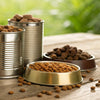
What Is the Best Natural Dry Dog Food for Your Best Friend
- Houndsy
Table of Contents
- Introduction
- Defining "Natural" in the Dog Food World
- The Different Types of Natural Dry Food
- The Importance of Ingredient Transparency
- Establishing a Consistent Feeding Routine
- Choosing the Best Food for Life Stages
- Transitioning to a New Natural Food
- Common Myths About Natural Dog Food
- The Role of Design in the Feeding Experience
- Conclusion
- FAQ
Introduction
You are likely familiar with the feeling of standing in a pet store aisle, surrounded by towering shelves of brightly colored bags, squinting at labels that seem to require a degree in chemistry to understand. We want the best for our dogs, but the gap between "marketing speak" and actual nutrition can feel wider than a Grand Canyon trek. Choosing a natural diet is often the first step toward better health, but finding the right balance of quality, convenience, and transparency is where the real challenge begins.
At Houndsy, we believe that feeding your dog should be a moment of connection rather than a chore or a source of stress, and the Houndsy Kibble Dispenser helps make that possible. This article will guide you through the essentials of identifying high-quality ingredients, understanding what "natural" really means in the pet food world, and establishing a feeding routine that honors your dog's health and your home's aesthetic.
The best natural dry dog food is more than just a label; it is a commitment to whole-food ingredients that provide sustained energy and long-term wellness. By the end of this guide, you will know exactly what to look for on the back of the bag and how to serve it with the consistency your dog deserves.
Defining "Natural" in the Dog Food World
When we talk about natural dog food, we are generally referring to products that avoid synthetic additives. In the United States, the term is loosely regulated, but it typically means the ingredients are derived solely from plant, animal, or mined sources. They should not be produced by or subject to a chemically synthetic process. If you're comparing labels, our guide to what makes a good kibble for dogs is a helpful companion.
For a dry food to be truly natural, it must exclude artificial flavors, colors, and chemical preservatives. While these additives often make food cheaper to produce and give it a longer shelf life, they offer zero nutritional value to your dog. Instead, high-quality natural brands use tocopherols (a form of Vitamin E) or rosemary extract to keep kibble fresh.
What to Look for on the Label
The ingredient list is your most honest window into what your dog is actually eating. In a high-quality natural dry food, the first few ingredients should always be recognizable.
- Named Animal Proteins: Look for "Chicken," "Beef," or "Lamb" rather than "Meat By-Products."
- Whole Vegetables and Fruits: Ingredients like sweet potatoes, carrots, blueberries, and spinach provide essential antioxidants.
- Healthy Fats: Flaxseed, salmon oil, and chicken fat support a shiny coat and brain health.
- Ancient Grains or Grain-Free Carbohydrates: Depending on your dog's needs, you might look for oats and barley or grain-free options like lentils and chickpeas.
The Red Flags
Identifying what is not in the food is just as important as identifying what is. A natural food should never contain BHA, BHT, or ethoxyquin—these are chemical preservatives that have been linked to health concerns in some observations. Similarly, avoid any food that lists "unidentified" fats or "animal digest," which are low-quality fillers that provide inconsistent nutrition.
Quick Answer: The best natural dry dog food features a named animal protein as the first ingredient, uses whole food sources for carbohydrates, and is preserved with natural antioxidants like Vitamin E instead of synthetic chemicals.
The Different Types of Natural Dry Food
Not all dry food is created equal. While "kibble" is the catch-all term, natural options have expanded to include various processing methods that aim to preserve more of the raw nutrient profile.
Traditional Natural Kibble
This is the most common form of dry food. High-end natural brands use a "low and slow" cooking process. This helps maintain the integrity of the proteins and vitamins that can sometimes be lost in high-heat industrial extrusion. It is convenient, shelf-stable, and the easiest to portion out daily with a standing-height kibble dispenser.
Freeze-Dried and Air-Dried Raw
These options are becoming increasingly popular for owners who want the benefits of a raw diet with the convenience of a dry scoop. Air-drying slowly removes moisture from raw ingredients, which preserves enzymes and nutrients without the need for high heat. Freeze-dried raw pieces are often mixed into standard kibble to boost the protein content and palatability.
Dehydrated Whole Foods
Dehydrated food sits somewhere between wet and dry. You typically add a bit of warm water to rehydrate it before serving. While it requires a few extra minutes of prep, it is often made with human-grade ingredients and is incredibly nutrient-dense.
The Importance of Ingredient Transparency
A brand that is truly committed to natural nutrition will be transparent about where their ingredients come from. We often see the best results from brands that source their meats from animal-welfare-certified farms and their produce from local growers.
Why sourcing matters:
- Reduced Contaminants: Locally sourced ingredients often spend less time in transit and storage, reducing the risk of mold or spoilage.
- Nutrient Density: Freshly harvested vegetables and humanely raised meats generally retain more vitamins and minerals.
- Sustainability: Choosing brands that prioritize ethical farming is better for the planet, reflecting a holistic approach to "natural" living.
Key Takeaway: The "best" natural food is one where the brand can tell you exactly where the protein was raised and how the ingredients were processed.
Establishing a Consistent Feeding Routine
Finding the best food is only half the battle; how you feed it matters just as much. Dogs thrive on routine. Their digestive systems work best when they are fed the same amount of food at the same time every day. This consistency prevents weight fluctuations and helps regulate their energy levels. If you're weighing free-feeding against set meal times, should you leave dog food out all day is worth a look.
Many of us find that the daily ritual of feeding is where things get messy. Bending down to scoop from a heavy, crinkly bag hidden in the pantry isn't exactly a high-point of the day. This is why we created the Houndsy Kibble Dispenser. It was designed to turn a utilitarian chore into a seamless part of your home life.
The Houndsy Kibble Dispenser features a standing-height crank mechanism, which means you no longer have to bend down or dig through dusty bags. With a single turn, you get perfect portion control every time. If you want a simple way to dial in servings, how much kibble to feed a dog is a helpful place to start. This is especially helpful if you are feeding a high-quality natural food where the nutrient density is high and even a small overage in portion size can lead to unwanted weight gain over time.
Maintaining Freshness
Natural foods lack the heavy-duty chemical preservatives found in grocery store brands. This means they are more sensitive to air and light. To keep that expensive, high-quality kibble fresh, storage is critical. If you want more tips on keeping a bag at peak quality, how long dry dog food stays fresh is a useful companion guide. Our dispenser uses a BPA-free liner that keeps up to 30 lbs of food sealed and protected, ensuring the last scoop is just as nutritious and crunchy as the first.
Choosing the Best Food for Life Stages
Your dog’s nutritional needs will shift as they age. A natural diet that works for a bouncy puppy will likely be too calorie-dense for a dignified senior.
Puppies
Puppies need higher levels of protein and healthy fats (like DHA found in fish oil) to support rapid brain and body growth. Look for natural foods specifically formulated for "Growth" or "All Life Stages."
Adults
Maintenance is the goal here. A balance of lean protein and fiber-rich carbohydrates will keep their energy stable. If your dog is highly active, you might look for a formula with slightly more fat to fuel their adventures.
Seniors
As metabolism slows down, senior dogs benefit from lower-calorie foods that are still high in quality protein to maintain muscle mass. Many natural senior formulas also include added glucosamine and chondroitin for joint health.
Bottom line: Always match the calorie density and nutrient profile of the natural food to your dog’s current age and activity level to prevent obesity.
Transitioning to a New Natural Food
Once you have selected the best natural dry food for your dog, you shouldn't just swap it out overnight. A sudden change in diet can cause upset stomachs, even if the new food is much "better" than the old one. A gradual approach like how to feed kibble to dogs can make the switch easier.
Step 1: The 75/25 Mix For the first two to three days, mix 75% of the old food with 25% of the new natural food. This allows the digestive enzymes to adjust.
Step 2: The 50/50 Split If there are no signs of tummy trouble, move to an even 50/50 split for the next two days. Observe your dog's energy levels and stool quality.
Step 3: The 25/75 Transition Shift to 75% new food and 25% old food for days five and six. By this point, your dog’s system should be well-acquainted with the new ingredients.
Step 4: Full Switch On day seven, you can serve 100% of the new natural dry food.
Common Myths About Natural Dog Food
There is a lot of misinformation surrounding pet nutrition. Let’s clear up a few of the most common misconceptions.
Myth: "Grain-free" is the same thing as "Natural." Fact: Grain-free is a dietary choice, while "natural" refers to the lack of synthetic additives. A food can be natural and still contain healthy grains like brown rice or oatmeal.
Myth: Natural food doesn't stay fresh as long. Fact: While natural foods don't use chemical preservatives, they use effective natural ones like Vitamin E. When stored in a cool, dry place—like inside a sealed container—they remain fresh for several weeks after opening.
Myth: Natural dry food is too expensive. Fact: Because natural foods are more nutrient-dense, you often need to feed less volume than you would with a filler-heavy brand. The cost-per-serving is often much closer than the price-per-bag suggests.
The Role of Design in the Feeding Experience
For many of us, our dogs are the heart of the home. We spend a lot of time and energy making our living spaces look and feel a certain way. Yet, for decades, pet products have been relegated to the "utility" category—plastic bins, ugly bags, and bowls that slide across the kitchen floor.
We believe that the objects you use every day should complement your home, not clash with it. The Houndsy Kibble Dispenser features a mid-century modern design that looks like a piece of furniture rather than a piece of pet gear. It is a solution for the design-conscious dog owner who wants to provide the best natural nutrition without sacrificing the aesthetic of their kitchen or mudroom.
By integrating the feeding station into your decor, you make the ritual more intentional. It becomes a clean, organized part of your morning and evening, rather than a messy task you try to hide. Plus, the auto-locking mechanism ensures that even the most "motivated" dogs or curious toddlers can't help themselves to an extra snack between meals.
Conclusion
Choosing the best natural dry dog food is an investment in your dog's longevity and quality of life. By focusing on whole-food ingredients, avoiding synthetic chemicals, and prioritizing transparency, you are giving your best friend the fuel they need to thrive.
At Houndsy, our mission is to simplify and elevate this experience, and you can learn more about the team behind Houndsy. We know that a great diet is only effective if it’s served consistently and stored properly. Our kibble dispenser was built to bridge the gap between high-quality nutrition and high-quality living.
We want you to feel confident in your choice, which is why we offer a 30-day risk-free guarantee. If you are ready to move away from the mess of bags and scoops and toward a more refined feeding routine, we are here to help.
Next Step: Take a look at your current dog food label. If the first three ingredients aren't recognizable whole foods, it might be time to start the transition to a natural alternative. Pair your new choice with a consistent routine to see the best results in your dog’s health and happiness.
FAQ
What are the most important ingredients to look for in natural dog food?
The most important ingredients are named animal proteins (like turkey or salmon) listed as the first item, followed by whole vegetables and healthy fats. You should also look for natural preservatives like mixed tocopherols rather than synthetic ones like BHA or BHT.
How do I know if a dog food brand is actually "natural"?
Check the label for a statement that the food contains no artificial colors, flavors, or preservatives. You can also look for brands that prioritize human-grade ingredients and transparency in their sourcing, as these companies usually adhere to higher "natural" standards.
Is natural dry dog food better than wet food?
Neither is inherently "better," but dry food offers specific benefits like dental health support through chewing and easier storage. Natural dry food is often more convenient for busy owners and can be just as nutrient-dense as wet food if you choose a high-quality brand.
How should I store natural dry dog food to keep it from spoiling?
Because it lacks chemical preservatives, natural dry food should be stored in a cool, dry place in an airtight container. Using a dedicated dispenser with a BPA-free liner helps protect the kibble from air and moisture, keeping it fresh for longer than an open bag would.