What to Feed Dogs to Help Them Gain Weight
- Houndsy
Table of Contents
- Introduction
- Understanding if Your Dog Is Truly Underweight
- Why Some Dogs Struggle to Keep Weight On
- Key Nutrients for Healthy Weight Gain
- Specific Foods to Feed Your Dog for Weight Gain
- The Strategy: How to Implement a Weight Gain Diet
- The Role of Exercise in Weight Gain
- Managing Consistency and Freshness
- Common Pitfalls to Avoid
- Creating a Beautiful Feeding Environment
- Conclusion
- FAQ
Introduction
It can be a startling moment when you are petting your dog and realize you can feel every ridge of their spine or the sharp points of their hip bones. Perhaps you’ve noticed their once-lustrous coat looks a bit dull, or they seem to lack the usual spark during your morning walks. While many conversations in the pet world focus on weight loss, helping a dog gain weight safely and effectively is a unique challenge that requires a thoughtful approach to nutrition and routine.
In keeping with our mission to simplify and elevate the dog-feeding experience, we believe that feeding your dog should be a moment of connection rather than a chore. Whether your dog is a picky eater, a senior with a fading appetite, or a rescue dog recovering from a difficult start, the goal is to provide nutrient-dense meals that support healthy muscle growth and energy levels. This guide will walk you through the best foods to help your dog reach their ideal weight and how to establish a healthy feeding routine that fits beautifully into your home life.
We will cover everything from high-calorie whole food additions to the importance of consistency in their daily schedule. Our mission is to simplify the science of canine weight gain so you can focus on enjoying life with your healthy, happy companion.
Understanding if Your Dog Is Truly Underweight
Before adjusting your dog’s diet, it is essential to determine if they are actually underweight or if they simply have a lean build. Certain breeds, such as Greyhounds or Whippets, are naturally thin and have a visible rib outline that is entirely healthy. However, for most breeds, a lack of body fat can indicate a need for more calories or an underlying health concern.
The Body Condition Score (BCS) is a standard tool used by veterinarians to evaluate a dog’s physique. It typically uses a scale of 1 to 9, where a 4 or 5 is considered ideal. To check your dog at home, you should look at them from two angles: from above and from the side. From above, your dog should have a visible waist behind the ribs, creating a subtle hourglass shape. From the side, the abdomen should be tucked up toward the hind legs rather than hanging flat.
Quick Answer: To help a dog gain weight, feed a diet high in protein and fat, increase meal frequency to 3 or 4 small sittings per day, and add calorie-dense toppers like eggs, pumpkin, or plain peanut butter.
If you can easily see the ribs, spine, and pelvic bones from a distance without a thin layer of fat covering them, your dog is likely underweight. Another sign is a "severe tuck," where the stomach disappears sharply upward into the hindquarters. If your dog has lost weight suddenly or without a change in diet, a visit to the veterinarian is the necessary first step to rule out medical issues like parasites, dental pain, or metabolic disorders.
Why Some Dogs Struggle to Keep Weight On
Understanding the "why" behind weight loss is just as important as knowing what to feed. Every dog is an individual, and how much food your dog needs can shift based on age, activity level, and environment.
The Metabolism of High-Energy Breeds
Some dogs are simply "hard keepers." They have incredibly high metabolisms and burn through calories almost as fast as they can consume them. Working breeds or highly active dogs often require significantly more calories than the average household pet. If your dog is constantly on the move, their maintenance requirements may be much higher than the guidelines on the back of a standard kibble bag.
Stress and Environmental Changes
Dogs are sensitive to changes in their surroundings. A move to a new home, the addition of a new family member, or even loud construction nearby can cause enough stress to suppress a dog's appetite. Rescue dogs, in particular, often struggle with weight gain in the first few weeks of adoption as they adjust to their new life.
Age-Related Weight Loss
As dogs enter their senior years, their digestive efficiency can decrease. They may not absorb nutrients as well as they once did, or they may develop dental issues that make chewing hard kibble uncomfortable. In these cases, the texture and palatability of the food become critical factors in helping them maintain a healthy weight.
Bottom line: Weight loss is often a symptom of high metabolism, environmental stress, or aging, making it vital to address the underlying cause while adjusting their caloric intake.
Key Nutrients for Healthy Weight Gain
When looking at what to feed dogs to help them gain weight, the focus should be on how much kibble to feed your dog. This means providing more energy in a smaller volume of food, which is especially helpful for dogs with small appetites who cannot finish large meals.
The Power of Dietary Fats
Fat is the most concentrated source of energy for dogs. While protein and carbohydrates provide about 3.5 to 4 calories per gram, fat provides approximately 8.5 to 9 calories per gram. Adding healthy fats to the diet is the fastest way to increase calorie counts without significantly increasing the size of the meal. Fats also improve the flavor of the food, making it more enticing for finicky eaters.
High-Quality Proteins for Muscle Building
While fat provides energy, protein provides the building blocks for lean muscle. If a dog gains weight solely through fat, they can become "skinny-fat"—unhealthy and lacking the strength they need for daily activities. Look for foods where high-quality animal protein, like beef, chicken, or lamb, is the primary ingredient. This ensures the weight they gain is functional muscle.
Digestible Carbohydrates
Carbohydrates like sweet potatoes and rice provide steady energy and help spare protein for muscle building rather than being used for basic energy needs. They are also gentle on the stomach, which is helpful if your dog’s weight loss is tied to digestive sensitivity.
Specific Foods to Feed Your Dog for Weight Gain
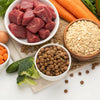
Adding fresh, whole-food toppers to a high-quality base diet is one of the most effective strategies for healthy weight gain. These additions provide extra calories and essential nutrients that support overall health.
1. Whole Eggs
Eggs are a nutritional powerhouse for dogs. They are highly digestible and contain a complete profile of amino acids, along with healthy fats. You can serve them scrambled, hard-boiled, or even raw (if you are comfortable with raw feeding). Eggs are an easy way to add a significant caloric boost to a morning meal.
2. Pureed Pumpkin and Sweet Potato
These are excellent sources of fiber and carbohydrates. While fiber is usually associated with weight loss because it makes a dog feel full, these starchy vegetables provide the extra energy needed for weight gain. They also help regulate digestion, ensuring that the dog is actually absorbing the nutrients from the rest of their food. Always use plain, 100% pumpkin puree rather than pumpkin pie filling.
3. Peanut Butter
Most dogs find peanut butter irresistible. It is packed with healthy fats and protein, making it an ideal weight-gain snack. When using peanut butter, always check the label for Xylitol, a sweetener that is highly toxic to dogs. Stick to all-natural versions with only peanuts as the ingredient. You can mix a tablespoon into their kibble or use it as a high-calorie reward.
4. Full-Fat Cottage Cheese
For dogs that are not lactose intolerant, cottage cheese is a fantastic source of protein and calcium. It is relatively low in lactose compared to other dairy products and is very easy for most dogs to digest. Adding a dollop of full-fat cottage cheese to a meal provides a boost of calories and a texture change that many dogs enjoy.
5. Healthy Oils
Adding a teaspoon of coconut oil or fish oil to your dog’s food is a simple way to increase fat content. Fish oil has the added benefit of Omega-3 fatty acids, which support skin and coat health, helping that dull coat regain its shine as the dog puts on weight.
The Strategy: How to Implement a Weight Gain Diet
Simply dumping more food into the bowl is rarely the best answer. Helping a dog gain weight requires a structured approach to ensure their digestive system can handle the increased intake.
Step 1: Rule Out Medical Issues
Before making any drastic changes, consult your veterinarian. They can confirm that the weight loss isn't due to something like diabetes or parasites. Once you have a clean bill of health, you can proceed with a nutritional plan.
Step 2: Transition Gradually
If you are switching to a higher-calorie "performance" or "puppy" food to help your dog gain weight, do it over the course of 7 to 10 days. A sudden shift in fat content can lead to stomach upset or even more serious issues like pancreatitis. Start with a mix of 75% old food and 25% new food, slowly shifting the ratio.
Step 3: Increase Feeding Frequency
Instead of feeding one or two large meals, try feeding three or four smaller meals throughout the day. This prevents the dog’s digestive system from becoming overwhelmed and allows for better nutrient absorption.
To manage this frequent schedule without it becoming a chore, the Houndsy Kibble Dispenser can be a helpful addition to your routine. Its standing-height crank mechanism makes it easy to dispense consistent, perfect portions multiple times a day without the need for scooping or bending. This level of precision is vital when you are tracking exactly how much your dog is eating to ensure steady progress.
Step 4: Feed Before Bedtime
Just like in humans, eating a small, calorie-dense meal shortly before sleep can encourage the body to store those nutrients as fat rather than burning them off during the day's activities. A small "midnight snack" of high-protein kibble or a bit of peanut butter can make a difference over time.
Key Takeaway: Success in weight gain comes from increasing the caloric density of meals and the frequency of feeding, rather than simply increasing the volume of a single meal.
The Role of Exercise in Weight Gain
It may seem counterintuitive to exercise a dog that needs to gain weight, but physical activity is crucial for building muscle mass. The goal is to avoid "empty" weight gain. If a dog is sedentary and eating a high-calorie diet, they will gain fat, but they won't build the strength needed for a healthy life.
Focus on resistance-based activities or short, controlled walks rather than long-distance running. This encourages the body to use the extra protein in the diet to build muscle. As long as the calorie intake exceeds the calories burned during these sessions, your dog will gain healthy, functional weight.
Always wait at least 30 to 60 minutes after a meal before exercising your dog to prevent digestive distress or the more serious risk of bloat, which can occur when a dog is active on a full stomach.
Managing Consistency and Freshness
When you are focused on helping your dog gain weight, the quality of the kibble matters. Dog food that has been sitting in an open bag can lose its nutritional potency and its aromatic appeal. If the food doesn't smell fresh, a picky dog is even less likely to eat enough to gain weight.
Storing your dog's food properly is essential. Our BPA-free kibble dispenser features a liner that keeps up to 30 lbs of kibble fresh and protected from the air. This large capacity means fewer refills for you, while the auto-locking mechanism ensures that even the most curious or food-motivated dog can't help themselves to the stash between scheduled feedings. By keeping the food at its peak freshness, you ensure that every calorie your dog consumes is as nutritious and delicious as possible.
Common Pitfalls to Avoid
In the rush to "fatten up" a dog, it is easy to make mistakes that can lead to long-term health problems.
- Avoid High-Sugar Human Foods: While you want calories, they should not come from sugary snacks, baked goods, or "junk" food. These can cause insulin spikes and digestive issues.
- Don't Overlook Portion Control: It is tempting to just keep the bowl full, but "free-feeding" makes it impossible to track exactly how much your dog is consuming. Consistent portions are key to monitoring progress, and perfect portions help keep the plan on track.
- Beware of "Fatty" Scraps: While fat is good, high-fat table scraps like bacon grease or meat trimmings can be too much for a dog's pancreas to handle. Stick to healthy fats like eggs, coconut oil, or high-quality dog food.
- Ignoring Dental Health: If a dog stops eating, check their teeth. A broken tooth or gum disease can make eating painful, leading to weight loss regardless of what is in the bowl.
Myth: "Free-feeding" is the best way to help a dog gain weight. Fact: Scheduled, portion-controlled meals are more effective because they allow you to monitor intake, keep food fresh, and create a routine that stimulates the dog's natural hunger cues.
Creating a Beautiful Feeding Environment
For many owners, a dog's feeding area is something to be hidden—a plastic bin in the laundry room or a messy bowl on a towel in the kitchen. However, when you are working on a weight-gain journey, the feeding ritual becomes a central part of your daily life. We believe this ritual should be something you enjoy.
The Houndsy Kibble Dispenser is designed with a mid-century modern aesthetic that complements your home decor rather than clashing with it. When the feeding station is a beautiful part of your living space, it is easier to stay consistent with the frequent, small meals your dog needs. You don't have to hide the food away in a closet; it can sit right where the action is, reminding you that every turn of the crank is a step toward your dog’s health.
Conclusion
Helping your dog reach a healthy weight is a journey that requires patience, high-quality ingredients, and a steadfast routine. By focusing on calorie-dense foods like whole eggs, healthy fats, and high-protein kibble, you can provide the nourishment your dog needs to thrive. Remember to increase the frequency of meals rather than the size, ensuring your dog can digest and absorb every bit of nutrition.
At Houndsy, we are dedicated to simplifying this process. We believe that feeding your dog should be convenient, consistent, and beautiful. Our mid-century modern kibble dispenser is built to support your dog’s health through precise portion control and airtight freshness, all wrapped in a design you’ll be proud to display.
Next Step: Evaluate your dog’s Body Condition Score today. If they need a boost, start by adding a healthy topper like a boiled egg to their next meal. To make your new feeding routine even easier, explore how our dispenser can bring consistency to your home with a 30-day risk-free guarantee.
FAQ
How long does it take for a dog to gain weight?
Most dogs will begin to show a noticeable difference in their body condition within two to four weeks of a consistent high-calorie diet. However, gaining muscle mass takes longer than gaining fat, so it may take several months of proper nutrition and exercise for your dog to reach their ideal, fit weight.
Can I just feed my dog more of their regular food?
You can, but if your dog is already a light eater, they may not be able to finish a larger volume of food. It is often more effective to switch to a more calorically dense food or add high-calorie toppers like peanut butter or eggs, which provide more energy in a smaller serving size.
Is it safe to feed my dog eggs every day for weight gain?
Yes, for most healthy dogs, one egg a day is a safe and highly effective way to add protein and healthy fats to their diet. Eggs are one of the most complete sources of amino acids available, making them excellent for building muscle, though you should always monitor your dog for any signs of digestive upset when introducing new foods.
Why is my dog eating a lot but still losing weight?
If your dog has a healthy appetite but continues to lose weight, it could be a sign of an underlying medical issue such as intestinal parasites, malabsorption syndrome, or a metabolic condition like diabetes. In these cases, no amount of extra food will solve the problem until the medical cause is treated by a veterinarian.