Which is Better for Dogs: Dry or Wet Food?
- Houndsy
Table of Contents
- Introduction
- Understanding Dog Food Basics
- Benefits of Wet Dog Food
- Benefits of Dry Dog Food
- Special Considerations for Mixing Dry and Wet Food
- Which is Better for Dogs: Wet or Dry Food?
- Conclusion
Introduction
Did you know that the diet you choose for your dog can significantly impact their overall health and well-being? According to the American Kennel Club, a balanced diet tailored to a dog's specific needs is one of the most vital components of responsible pet ownership. With numerous options available, choosing between dry and wet dog food can feel overwhelming for many pet owners.
In this blog post, we will explore the differences between dry and wet dog food, their unique benefits and drawbacks, and how to determine the best choice for your furry friend. By the end of this article, you will have a clearer understanding of which type of food may suit your dog’s specific needs and preferences, empowering you to make informed decisions about their diet.
We will cover essential topics including nutritional content, moisture levels, palatability, convenience, and special considerations for transitioning between food types. We invite you to reflect on your own dog’s feeding routine as we delve into this important aspect of pet care. Let’s embark on this journey together to understand “which is better for dogs: dry or wet food?”
Understanding Dog Food Basics
What is Dry Dog Food?
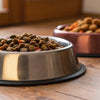
Dry dog food, commonly known as kibble, is a popular choice among pet owners due to its convenience and affordability. Typically, dry dog food contains around 10% moisture, which is significantly less than wet food. The production process involves grinding meat and other ingredients into a dough-like mixture, which is then shaped, cooked, and dried. Many brands also incorporate additional nutrients, such as vitamins and probiotics, to support overall dog health.
What is Wet Dog Food?
Wet dog food, often found in cans or pouches, has a higher moisture content, usually ranging from 75% to 78%. This type of food is prepared by grinding protein sources and mixing them with a gravy that contains vitamins and minerals before being cooked and sterilized. The resulting product is soft, aromatic, and often more palatable for many dogs, making it a favored option for picky eaters.
Key Nutritional Differences
Both dry and wet dog foods can provide balanced nutrition, but they differ in several key areas:
- Moisture Content: As previously mentioned, dry food contains much less moisture, which can influence hydration levels in your dog.
- Protein Levels: Dry food typically has a higher protein content when measured on a dry matter basis, while wet food often contains more water, leading to lower reported protein levels.
- Carbohydrates: Dry dog foods generally have a higher carbohydrate content to help bind the kibble together, while wet foods tend to be lower in carbs.
- Fat Content: Both types of food can have similar fat percentages, but wet food may sometimes include higher fat levels for enhanced palatability.
It’s crucial to read labels and consider the nutritional needs specific to your dog’s age, breed, and health status when selecting food.
Benefits of Wet Dog Food
1. Increased Hydration
The high moisture content in wet dog food can be beneficial for dogs that struggle to drink enough water. This is particularly important for dogs with certain medical conditions, such as urinary tract issues, as adequate hydration is vital for their health.
2. Enhanced Palatability
Wet food is often more aromatic and flavorful than dry kibble, which can entice picky eaters or dogs that may have a reduced appetite due to illness or age. The softer texture also makes it easier for dogs with dental issues to chew and swallow.
3. Increased Satiety
The moisture in wet food can help dogs feel fuller without increasing calorie intake, making it a useful option for weight management. This is especially helpful for dogs that seem to have an insatiable appetite.
4. Easier to Administer Medication
If your dog needs to take medication, wet food can serve as an excellent vehicle for hiding pills or supplements, making the process less stressful for both you and your pet.
Benefits of Dry Dog Food
1. Dental Health Benefits
The crunchy texture of dry kibble encourages dogs to chew their food, which can help reduce tartar buildup and improve dental health. Regular chewing can also promote fresher breath.
2. Convenience and Cost-Effectiveness
Dry food is generally more cost-effective than wet food, providing a longer shelf life and requiring less storage space. It can be left out for longer periods without spoiling, making it ideal for dogs that graze throughout the day.
3. Nutritional Density
Dry dog food is more nutrient-dense, meaning that it packs more calories and nutrients into a smaller volume compared to wet food. This can be particularly advantageous for larger dogs that require more energy.
4. Easy Portion Control
Dry kibble is straightforward to measure, which allows for precise portioning according to your dog’s weight, activity level, and dietary needs. This can help prevent overfeeding and maintain a healthy weight.
Special Considerations for Mixing Dry and Wet Food
Many pet owners find success in mixing dry and wet dog food to take advantage of the benefits of both. This approach can provide variety in texture and flavor, and it allows for increased moisture intake while maintaining the dental benefits of kibble. When mixing, it’s essential to adjust portion sizes accordingly to prevent overfeeding.
Transitioning Between Food Types
If you decide to introduce a new food type to your dog’s diet, it’s crucial to do so gradually. Transitioning too quickly can lead to digestive upset. Here are some steps to follow when changing your dog’s food:
- Start Slow: Begin by mixing a small amount of the new food with the old food. Gradually increase the proportion of the new food over 7-10 days.
- Monitor Your Dog: Keep an eye on your dog’s stool and overall health during the transition. If any issues arise, consult your veterinarian for guidance.
- Adjust Portions: If you’re mixing food types, ensure you’re providing the appropriate caloric intake by adjusting the serving sizes of each food.
Which is Better for Dogs: Wet or Dry Food?
Ultimately, the choice between wet and dry dog food comes down to your dog's individual needs, preferences, and lifestyle. Some dogs may thrive on a diet of dry kibble, while others may benefit from the added moisture and flavor of wet food.
Factors to Consider
- Age and Health: Puppies and senior dogs may have different dietary requirements. Puppies may need higher fat and protein content for growth, while seniors may require lower calories and easier-to-chew options.
- Activity Level: Active dogs may do well on dry food that provides dense nutrition, while less active dogs may benefit from the hydration of wet food.
- Feeding Habits: If your dog is a grazer, dry food might be a more suitable option, while wet food may be ideal for dogs that eat quickly.
Conclusion
In summary, both wet and dry dog food have their unique advantages and can contribute to a balanced diet for your furry companion. Whether you choose dry, wet, or a combination of both, the key is to ensure that your dog receives high-quality nutrition tailored to their individual needs.
At Houndsy, we understand the importance of a well-balanced diet for dogs. Our flagship product, the Houndsy Kibble Dispenser, is designed to help you maintain consistency in your dog’s feeding routine while incorporating the benefits of both dry and wet food. It features perfect portion control, ergonomic design, and a stylish appearance that complements your home decor.
Explore the Houndsy Kibble Dispenser here and enhance your dog feeding experience!
FAQ
Q1: Can I mix dry and wet dog food?
Yes, mixing dry and wet dog food can provide nutritional variety and increase moisture intake. Just be sure to adjust portions to avoid overfeeding.
Q2: Is wet food better for picky eaters?
Wet food is often more palatable due to its aroma and texture, making it a great choice for picky eaters or dogs with decreased appetites.
Q3: How do I transition my dog to a new food?
Gradually introduce the new food over 7-10 days, monitoring your dog's health and adjusting portions as necessary.
Q4: Are there specific health conditions that favor one type of food over the other?
Yes, certain health conditions, like urinary tract issues, may benefit from the added moisture in wet food, while dental issues may be better supported by dry kibble.
Q5: How do I know if I’m choosing the right food for my dog?
Consult with your veterinarian for specific dietary recommendations based on your dog’s age, breed, health status, and lifestyle.