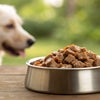
Nutritious Homemade Dog Food with Pork Recipes and Tips
- Houndsy
Table of Contents
- Introduction
- Why Choose Pork for Your Dog's Diet?
- Safety First: Preparing Pork for Dogs
- Essential Ingredients for a Balanced Pork Meal
- How to Make Homemade Dog Food with Pork: Step-by-Step
- Balancing Homemade Meals with Quality Kibble
- Storage and Consistency in Feeding
- Batch Prepping for the Modern Home
- Understanding Your Dog's Digestive Signals
- Troubleshooting Common Issues
- Conclusion
- FAQ
Introduction
Finding the right protein for your dog can sometimes feel like a series of trial-and-error experiments. You might notice your pup turning their nose up at chicken or struggling with the digestive upset that sometimes comes with rich beef. Many dog owners are looking for an alternative that is both nutritious and palatable. Pork is an excellent, often overlooked option that provides essential amino acids and vitamins. At Houndsy, we believe that feeding your dog should be a joyful, stress-free part of your day that fits beautifully into your lifestyle.
This guide explores everything you need to know about preparing homemade dog food with pork. We will cover the nutritional benefits, safety precautions, and simple ways to balance these meals with your existing routine. Whether you are cooking a full meal or just a fresh topper, our goal is to help you elevate your dog's diet without the guesswork, and the Houndsy Kibble Dispenser gives you a simple kibble base to build around.
Quick Answer: Pork is a high-quality protein source for dogs, rich in thiamine and B-vitamins. To prepare it safely, always cook the meat thoroughly to 160°F, avoid all seasonings like onions or garlic, and choose lean cuts to prevent digestive issues.
Why Choose Pork for Your Dog's Diet?
Pork is a highly digestible protein source that provides a unique nutritional profile compared to more common meats. While many commercial diets rely heavily on poultry, pork offers a dense concentration of B-vitamins, particularly thiamine (B1). Thiamine is crucial for energy metabolism and healthy brain function in dogs. If your dog has shown sensitivities to other common proteins, pork is often considered a "cooling" or neutral meat that may be easier on their system.
Many dogs find the taste of pork highly appealing, which makes it an excellent choice for picky eaters. It has a different fat-to-protein ratio than beef, which can be beneficial when managed correctly. It is also packed with minerals like selenium and zinc, which support a healthy immune system and skin health. When you choose to cook at home, you have total control over the quality of the meat, ensuring your dog gets only the best cuts without fillers or mystery ingredients.
Pork is often more budget-friendly than lamb or bison, making it a sustainable choice for long-term homemade feeding. By purchasing lean cuts like pork loin in bulk, you can provide a premium protein source without the premium price tag of boutique commercial diets. This allows you to focus your budget on other high-quality additions like fresh greens or organic supplements.
Safety First: Preparing Pork for Dogs
Cooking pork thoroughly is the most important safety step you can take for your pet. Unlike beef, which some people feed raw or rare, pork must be cooked to an internal temperature of at least 160°F. This eliminates the risk of parasites like trichinosis, which can be found in raw or undercooked pork products. While modern farming practices have significantly reduced these risks, cooking remains a non-negotiable step for your dog's safety.
You must avoid all toxic seasonings and aromatics during the cooking process. Many of the ingredients we use to make pork delicious for humans—like onions, garlic, leeks, and chives—are highly toxic to dogs. Even small amounts of garlic powder or onion flakes can cause oxidative damage to a dog's red blood cells. Keep it simple and stick to the meat and dog-safe vegetables.
Fat management is critical to preventing health issues like pancreatitis. While pork fat is tasty, a sudden influx of high-fat food can cause a painful and dangerous inflammation of the pancreas. Always trim away visible large chunks of white fat before cooking. If you are using ground pork, choose the leanest percentage available and drain away any excess grease after browning the meat.
Key Takeaway: Always cook pork to an internal temperature of 160°F and never use onions, garlic, or excessive salt, as these can be toxic or harmful to your dog's long-term health.
Essential Ingredients for a Balanced Pork Meal
A healthy bowl of homemade dog food requires more than just meat. While pork provides the protein "bricks" for muscle maintenance, your dog also needs fiber, healthy fats, and vitamins from other sources. A good rule of thumb for a balanced bowl is a ratio of roughly 50% protein, 25% vegetables, and 25% complex carbohydrates.
Selecting the Right Vegetables
Incorporate colorful, dog-safe vegetables to provide essential antioxidants and fiber. Carrots, green beans, and peas are classic choices that most dogs enjoy. Spinach and kale can be added in small amounts for a boost of iron and Vitamin K. If your dog is prone to weight gain, increasing the proportion of green beans can help them feel full without adding many calories.
Choosing Complex Carbohydrates
Complex carbs provide the steady energy your dog needs throughout the day. Brown rice, quinoa, and sweet potatoes are excellent bases for a pork-focused meal. These ingredients are generally well-tolerated and provide more nutritional value than simple white rice. Sweet potatoes, in particular, are a great source of Vitamin A and fiber, which helps keep digestion regular.
Adding Healthy Fats and Supplements
While you want to avoid heavy animal fat, certain oils are beneficial for skin and coat health. A small amount of salmon oil or flaxseed oil can be drizzled over the finished meal. These provide Omega-3 fatty acids that pork alone doesn't offer in high quantities. Depending on your dog's specific needs, you may also want to talk to your vet about adding a calcium supplement, as meat-heavy diets can sometimes lack this essential mineral.
How to Make Homemade Dog Food with Pork: Step-by-Step
Preparing a batch of dog food doesn't have to take over your entire afternoon. With a bit of organization, you can cook a week's worth of meals in less than an hour. The most efficient method is a "one-pot" style approach where you combine the ingredients to let the flavors meld.
Step 1: Prep the protein. Trim any excess fat from your pork loin or shoulder. Cut the meat into small, bite-sized pieces appropriate for your dog’s size. If using ground pork, simply crumble it into the pan.
Step 2: Cook the meat. Place the pork in a large pot or skillet over medium heat. Brown the meat thoroughly until no pink remains. If there is significant liquid fat in the pan after cooking, carefully drain it off.
Step 3: Add the vegetables and starches. Add your chopped vegetables and your chosen carbohydrate (like diced sweet potatoes or pre-cooked brown rice) to the pot. If the mixture looks too dry, add a splash of plain water or unsalted bone broth to help the vegetables steam.
Step 4: Simmer and cool. Cover the pot and let the mixture simmer on low heat for 10–15 minutes until the vegetables are tender. Once cooked, remove from the heat and allow the food to cool completely before serving or storing.
Step 5: Portion and serve. Determine the correct portion size for your dog based on their weight and activity level. If you are using this as a topper, adjust their dry food amount accordingly to prevent overfeeding.
Balancing Homemade Meals with Quality Kibble
Many owners choose a hybrid approach, mixing fresh pork meals with a high-quality dry kibble. If you want a deeper dive into that dry-food side of the bowl, our guide to serving dry dog food is a helpful next step. This ensures your dog gets the specialized nutrients and dental benefits of kibble while enjoying the fresh, whole-food benefits of your homemade pork recipe. Consistency is the secret to a happy digestive system, so try to keep the ratio of kibble to fresh food the same every day.
Our kibble dispenser is designed specifically for this kind of routine. By keeping your dry food fresh and easily accessible, you can quickly dispense a precise amount of kibble to act as the base for your homemade pork topper. The perfect portion control provided by every turn of the crank ensures your dog gets exactly what they need, preventing the accidental weight gain that often happens with "guesstimated" scoops.
Using a hybrid feeding model also makes travel and boarding much easier. If you only feed homemade food, finding a way to store and prep meals while away can be a challenge. If your dog is already accustomed to a high-quality kibble base, they will transition more smoothly to temporary dry-only feeding if necessary.
| Ingredient Type | Recommended Sources | Purpose |
|---|---|---|
| Protein | Lean pork loin, ground pork (90%+ lean) | Muscle growth and repair |
| Carbohydrates | Sweet potato, brown rice, quinoa | Sustained energy and fiber |
| Vegetables | Carrots, peas, spinach, green beans | Vitamins and antioxidants |
| Healthy Fats | Salmon oil, coconut oil (small amounts) | Skin, coat, and brain health |
Storage and Consistency in Feeding
Proper storage is essential to keep homemade food safe and appetizing. Fresh pork meals will stay good in the refrigerator for up to four days. If you are cooking in large batches, it is best to freeze individual portions in airtight containers or silicone molds. This way, you can pull out exactly what you need for the next day, ensuring nothing goes to waste. If you want more ideas for keeping dry food fresh too, see our guide on the best way to store dog kibble.
Consistency in your dog's feeding schedule is just as important as the food itself. Dogs thrive on routine. Feeding them at the same time every day helps regulate their metabolism and can even improve their behavior. When your dog knows exactly when to expect their meal, they are less likely to engage in "begging" behaviors throughout the day.
We designed this standing-height kibble dispenser to support this sense of order in the home. Its 25–30 lb storage capacity means you aren't constantly wrestling with messy bags of food, and the standing-height crank mechanism allows you to fill a bowl in seconds without bending over. This turns a chore into a seamless, elevated ritual that fits into your morning routine as easily as making a cup of coffee.
Bottom line: Batch-prep your pork meals and store them in the freezer, then use a consistent dispensing method for your kibble base to maintain a reliable, healthy routine for your dog.
Batch Prepping for the Modern Home
Efficiency is the key to making homemade feeding sustainable for a busy lifestyle. Most of us don't have time to cook for our dogs every single night. Setting aside one Sunday afternoon every few weeks to "bulk prep" can save you hours of work later. You can use a slow cooker or a large pressure cooker to handle large quantities of pork and vegetables with minimal supervision. For a broader primer on dry-food fundamentals, our guide to What’s Kibble for Dogs? makes a useful companion read.
Think about your home's aesthetic when organizing your pet's feeding station. Many pet products are designed as an afterthought, often featuring bright plastics or clunky shapes that clash with modern decor. We believe your dog’s feeding area should be an extension of your home’s style. Learn more about our mission and keep your feeding station in the kitchen or dining room without hiding it in a closet.
A clean feeding environment is a healthy feeding environment. When handling fresh pork, cross-contamination is a real concern. Always wash your dog’s bowls and your prep surfaces with hot, soapy water after every meal. The BPA-free liner in our dispenser helps keep the dry portion of their diet fresh and uncontaminated by outside odors or pests, ensuring the "crunchy" part of their meal stays as high-quality as the "fresh" part.
Understanding Your Dog's Digestive Signals
Every dog responds differently to a change in protein. When you introduce pork into the diet, keep a close eye on their energy levels, coat quality, and "bathroom habits." Ideally, you want to see firm, consistent stools. If you notice any signs of loose stools or increased gas, it may mean the pork is too fatty or the transition was too fast.
Slow transitions are the best way to avoid digestive upset. Start by replacing just 10% of their current meal with your homemade pork mixture. Over the course of 7 to 10 days, gradually increase the amount of pork while decreasing the old protein. This gives the healthy bacteria in their gut time to adjust to the new ingredients.
If your dog has a history of allergies, pork can be a literal lifesaver. Many dogs who are allergic to chicken or beef find immediate relief when switched to a pork-based diet. You may notice less paw licking, fewer ear infections, and a decrease in skin redness. However, always consult with your veterinarian before making major changes if your dog has a known medical condition.
Troubleshooting Common Issues
What if your dog is picking out the pork and leaving the vegetables? Some dogs are masters at sorting their food. If you have a "sorter," try mashing the sweet potatoes and finely chopping the vegetables so they coat the meat. This makes it almost impossible for them to separate the "good stuff" from the "healthy stuff."
Dealing with "counter surfers" and curious toddlers. If you are prepping fresh pork on the counter, you know how tempting those smells can be. Safety in the kitchen extends to how you store all types of food. Our dispenser includes an auto-locking mechanism in our dispenser that prevents pets (and curious kids) from helping themselves to extra snacks when your back is turned. This ensures your portion control stays on track and your kitchen stays tidy.
Maintaining freshness in a multi-pet household. If you have more than one dog, you might be tempted to cook different meals for each. To keep things simple, use a base pork recipe that works for everyone and then add specific supplements to individual bowls. This streamlines your prep time while still meeting the unique health needs of each pet.
Conclusion
Cooking homemade dog food with pork is a wonderful way to provide your dog with a high-quality, delicious, and nutrient-dense diet. By choosing lean cuts, cooking the meat thoroughly, and balancing it with healthy vegetables and starches, you are taking a proactive step in your dog's long-term health. Feeding doesn't have to be a messy or complicated chore. It can be a consistent, elevated experience that reflects the care you put into every other part of your home.
At Houndsy, we are dedicated to making that experience as simple and beautiful as possible. Our mission is to bridge the gap between functional pet care and intentional home design. With the Houndsy Kibble Dispenser, you can maintain the perfect balance of fresh homemade toppers and high-quality kibble with ease. We want you to feel confident in every meal you serve, which is why we offer a 30-day risk-free guarantee on our products.
Key Takeaway: Elevate your dog's mealtime by combining fresh, safely prepared pork with a consistent kibble routine, all while maintaining a clean and beautiful home environment.
Ready to simplify your feeding routine? Explore how our design-forward feeding solution can transform your kitchen and give your dog the consistent nutrition they deserve.
FAQ
Is pork too fatty for dogs to eat every day? Pork can be a healthy daily protein if you choose lean cuts like pork loin or tenderloin and trim away all visible fat. Avoid feeding your dog bacon, ham, or fatty pork shoulder, as these can lead to weight gain or pancreatitis. When prepared correctly, the fat content in pork is manageable and provides essential energy for active dogs.
Can I feed my dog raw pork if it is high quality? No, it is never recommended to feed your dog raw pork due to the risk of parasites like Trichinella spiralis. Even high-quality, human-grade pork can carry risks that are only eliminated through proper cooking. Always cook pork to an internal temperature of 160°F to ensure it is completely safe for your pet's consumption.
What are the best vegetables to mix with pork for dog food? Carrots, green beans, peas, and sweet potatoes are among the best vegetables to pair with pork. They provide a balance of fiber, vitamins, and minerals that complement the amino acids found in the meat. Avoid using any vegetables from the allium family, such as onions or garlic, as these are toxic to dogs.
How do I know how much homemade pork food to feed my dog? The amount depends on your dog's weight, age, and activity level, but a general starting point is about 2% to 3% of their body weight in total food per day. If you want a deeper breakdown, our guide on how much food does my dog need a day walks through portion control in more detail. It is always best to consult your veterinarian to determine the exact caloric needs for your specific dog.