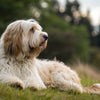
Why Do Dogs Like to Roll in Grass?
- Houndsy
Table of Contents
- Introduction
- The Ancestral Call: Why Instinct Drives the Roll
- Scent Communication and Social Signals
- The Joy of the "Stink": Why Dogs Love Strong Smells
- Physical Sensation and Itch Relief
- Emotional Expression and "The Zoomies"
- When to Be Concerned: Allergies and Pests
- Managing the Aftermath: From Grass to Clean Home
- The Importance of Routine in Every Ritual
- Conclusion
- FAQ
Introduction
You have likely spent a peaceful afternoon watching your dog explore the backyard, only to see them suddenly drop their shoulder and wriggle frantically in the lawn. This behavior, often called the "grass dance," is one of the most common and amusing sights for any dog owner. While it might look like a simple moment of play, there are actually deep-seated biological and evolutionary reasons behind every twist and turn.
At Houndsy, our mission is to simplify and elevate the dog-feeding experience, because understanding these natural instincts helps us build stronger bonds with our pets and create homes that accommodate their true nature. Whether your dog is trying to hide their scent, pick up a new one, or simply scratch a hard-to-reach itch, rolling in the grass is a vital part of their sensory world. In this article, we will explore the scientific and behavioral drivers behind this habit and how it fits into your dog's daily routine.
Quick Answer: Dogs roll in the grass for several reasons, including scent masking to hide from prey, marking territory with their own scent, and simple physical pleasure or itch relief. It is a natural, instinctual behavior rooted in their ancestral history.
The Ancestral Call: Why Instinct Drives the Roll
To understand why your dog finds a patch of fescue so irresistible, we have to look back at their wild ancestors. Long before dogs had comfortable beds and a mid-century modern kibble dispenser, they were tactical hunters that relied on stealth and communication to survive. Many behaviorists believe that rolling in the grass is a "living fossil" of a behavior that served a very specific purpose in the wild.
In a natural environment, a predator that smells like a predator is at a disadvantage. If a wolf or wild dog smells strongly of themselves, their prey—such as deer or rabbits—can detect them from downwind long before an attack. By rolling in grass, mud, or even the remains of other animals, wild canines could "mask" their own scent. This allowed them to blend into the olfactory background of their environment, making it much easier to sneak up on a meal.
While your dog likely has a dependable feeding routine waiting for them at home, these ancient hard-wired instincts remain. Even the most pampered pup still carries the DNA of a hunter. When they find a particularly "fragrant" patch of grass, that old biological switch flips, and they dive in headfirst to disguise their scent.
Scent Communication and Social Signals
Beyond hunting, rolling is a sophisticated form of data collection and sharing. Dogs experience the world primarily through their noses, and a patch of grass is essentially a community bulletin board. When a dog rolls, they are participating in a two-way exchange of information.
Bringing the News Back to the Pack
In the wild, if a member of the pack found something interesting—like a new food source or a potential threat—rolling in that scent was a way to "carry" the news back to the group. By arriving back at the den smelling like a specific plant or another animal, they were effectively telling the rest of the pack where they had been and what they had found.
Leaving a Personal Signature
Conversely, dogs also roll to leave their own scent behind. They have scent glands all over their bodies, particularly around their necks and shoulders. When they rub vigorously against the ground, they are depositing pheromones and oils that tell other dogs exactly who has been there. It is a way of saying, "I was here, and this is my space."
The Joy of the "Stink": Why Dogs Love Strong Smells
It is a common frustration for dog owners: you just spent an hour giving your dog a bath, only for them to run outside and roll in the smelliest patch of grass they can find. To us, the scent of lavender or "fresh linen" shampoo is pleasant. To a dog, it is often overwhelming or even offensive.
Dogs have an olfactory system that is tens of thousands of times more sensitive than ours. When we cover them in floral-scented soaps, we are essentially "resetting" their natural scent profile. For many dogs, this feels wrong. They immediately seek out natural, earthy smells to counteract the perfume and feel like "themselves" again.
Key Takeaway: What humans consider "clean" is often confusing or unpleasant for a dog. They roll in the grass to reclaim their natural scent and shed the artificial smells of grooming products.
The Olfactory Image
When a dog rolls in something we find disgusting—like decaying organic matter in the grass—they are building an "olfactory image." They aren't just getting dirty; they are interacting with a complex layer of sensory data. This interaction provides mental stimulation that is just as important as physical exercise.
Physical Sensation and Itch Relief
Sometimes, the simplest explanation is the right one: it just feels good. If you have ever had an itch right between your shoulder blades that you couldn't quite reach, you can sympathize with your dog. Without the ability to reach around and scratch their own backs, the ground becomes their best tool.
The texture of grass provides a unique combination of softness and resistance. The blades of grass act like a giant, natural brush, helping to dislodge loose fur, dirt, and dried skin. This is especially common during shedding season when dogs are naturally trying to rid themselves of their heavy undercoat.
We designed the Houndsy Kibble Dispenser with a standing-height crank to prevent owners from having to bend and strain, and in a way, dogs are using the grass to solve their own ergonomic problems. They use the earth to reach the spots their paws simply can't get to.
Emotional Expression and "The Zoomies"
Rolling in the grass is frequently a sign of pure, unadulterated joy. You might notice that this behavior often happens during a game of fetch or right after you come home from work. This is often an extension of "the zoomies" or Frenetic Random Activity Periods (FRAPs).
When a dog is excited, they have a lot of pent-up energy that needs an outlet. Rolling, kicking their legs in the air, and wriggling side-to-side is a physical manifestation of happiness. It is a low-impact way for them to express their enthusiasm and engage with their environment.
Bottom line: If your dog is rolling with a relaxed body, an open mouth, and a wagging tail, they are likely just having the time of their life and expressing pure contentment.
When to Be Concerned: Allergies and Pests
While rolling in the grass is usually a harmless and healthy behavior, there are times when it warrants a closer look. If the rolling seems compulsive or is accompanied by other symptoms, it might be a sign of a physical issue rather than a behavioral one.
- Skin Allergies: Many dogs suffer from environmental allergies to pollen or certain types of grass. If they are rolling to soothe an itch caused by an allergy, you might see redness on their belly, constant paw licking, or hair loss.
- Pests: Fleas, ticks, and mites love tall grass. If your dog is rolling and then scratching or biting at their skin immediately afterward, they may have picked up a hitchhiker.
- Chemical Sensitivity: Be mindful of lawns that have been recently treated with fertilizers, pesticides, or herbicides. These chemicals can irritate a dog's skin or be harmful if ingested when the dog licks their fur later.
If you notice your dog rolling more frequently than usual or appearing distressed while doing it, a quick check with your veterinarian can help rule out underlying skin conditions.
Managing the Aftermath: From Grass to Clean Home
For those of us who care about maintaining a clean and beautiful home, a grass-covered dog can be a challenge. However, we don't have to choose between our dog's natural instincts and our interior design. Managing the mess is all about having a storage solution in place.
The "Mudroom Ritual" Keep a dedicated basket of microfiber towels near the door. A quick wipe-down of the back and belly after a rolling session can remove the bulk of the loose grass and pollen before it travels onto your furniture or rugs.
Consistent Grooming Regular brushing helps reduce the "itch" that drives many dogs to roll in the first place. By removing loose fur and dander yourself, you make the grass less necessary as a grooming tool.
Focus on Routine Dogs thrive on predictability. When their day is structured—from their morning walk to their evening meal—they are generally calmer and less likely to engage in frantic behaviors. We find that a consistent feeding schedule is the cornerstone of a balanced dog. Our kibble dispenser makes this easy by providing perfect portion control with every turn, ensuring your dog’s internal clock stays on track.
The Importance of Routine in Every Ritual
The behavior of rolling in the grass is a reminder that dogs are creatures of ritual. They find comfort in the repetitive motions of their ancestors and the structured environment we provide for them today. As dog owners, our job is to balance their wild needs with the comforts of a modern home.
A dog who spends their morning rolling in the dew-covered grass and their evening eating a consistent meal in a quiet, beautiful corner of the kitchen is a dog who feels secure. By providing high-quality food, a reliable schedule, and portion control, we create an environment where a dog can truly flourish.
By providing high-quality food, a reliable schedule, and a home that reflects our own style, we create an environment where a dog can truly flourish. Even if that means they occasionally come inside smelling like the great outdoors.
Conclusion
Rolling in the grass is more than just a quirky habit; it is a complex behavior that connects your dog to their history, their environment, and their social circle. Whether they are masking their scent for a "hunt" in the backyard or simply enjoying the feeling of the earth against their back, it is a sign of a dog who is engaged with the world.
Our mission at Houndsy is to simplify and elevate every aspect of your dog's life, from the way they eat to the way they fit into your home, and the Houndsy dispenser reflects that philosophy in a form you'll actually want to keep on display. We believe that pet products should be as beautiful as they are functional, solving everyday problems like inconsistent portions and cluttered kitchens without sacrificing style.
If you are looking to bring more consistency and elegance to your dog's daily routine, the Houndsy Kibble Dispenser offers a seamless way to manage feeding time. With its mid-century modern design and effortless operation, it is a product you will be proud to display. Plus, we offer a 30-day risk-free guarantee to ensure it is the perfect fit for you and your dog.
Key Takeaway: Embrace the roll. It is a natural part of being a dog. Focus on managing the cleanup and maintaining a solid routine to keep your dog happy and your home beautiful.
FAQ
Why does my dog roll in the grass after a bath?
Dogs often roll after a bath to remove the scent of shampoo, which can be overpowering to their sensitive noses. They are trying to "reclaim" their natural scent by picking up earthy smells from the grass. Additionally, the vigorous rolling helps them dry their fur and relieve the strange sensation of being wet.
Is it okay to let my dog roll in the grass?
In most cases, rolling in the grass is a perfectly healthy and natural behavior. However, you should ensure the area hasn't been treated with harsh chemicals or pesticides and that your dog is up to date on flea and tick prevention. If your dog seems to be rolling because of skin irritation or allergies, consult your veterinarian.
Does rolling in the grass mean my dog has fleas?
While it can be a sign of itchiness from fleas, rolling is usually just a behavioral instinct. To check for fleas, look for small moving insects or "flea dirt" (tiny black specks) near the base of their tail and neck. If the rolling is accompanied by intense biting or scratching at the skin, a flea check is a good idea.
Why do dogs roll in smelly things like animal droppings?
This is an ancestral behavior known as scent masking. In the wild, canines would roll in the scent of other animals to hide their own "predator" smell, allowing them to get closer to prey without being detected. Even though domestic dogs don't need to hunt, the instinct to disguise their scent remains very strong.